Inked Mag Staff
July 22nd, 2026
The Tattoo Artist Who Thinks Like a Sculptor
How a background in sculpture continues to shape one artist's approach to tattooing.
Spend enough time around tattooing and you start to notice the difference between a design that looks good on a screen and a tattoo that actually belongs on a body. Placement changes everything. Skin moves. Muscles shift. Lines soften with time. A piece that looks impressive when it is freshly photographed still has to survive years of living, aging, healing, and movement.
That is the space where Polina Gajewsky’s work seems to live.
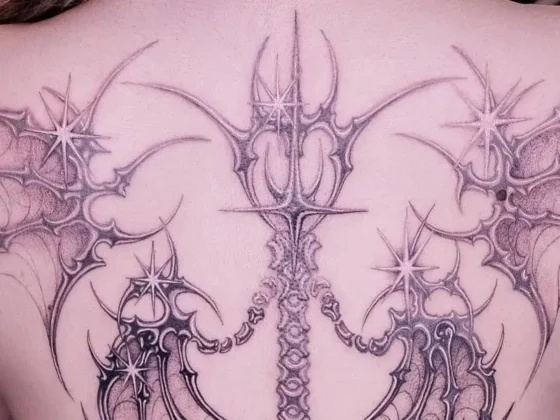
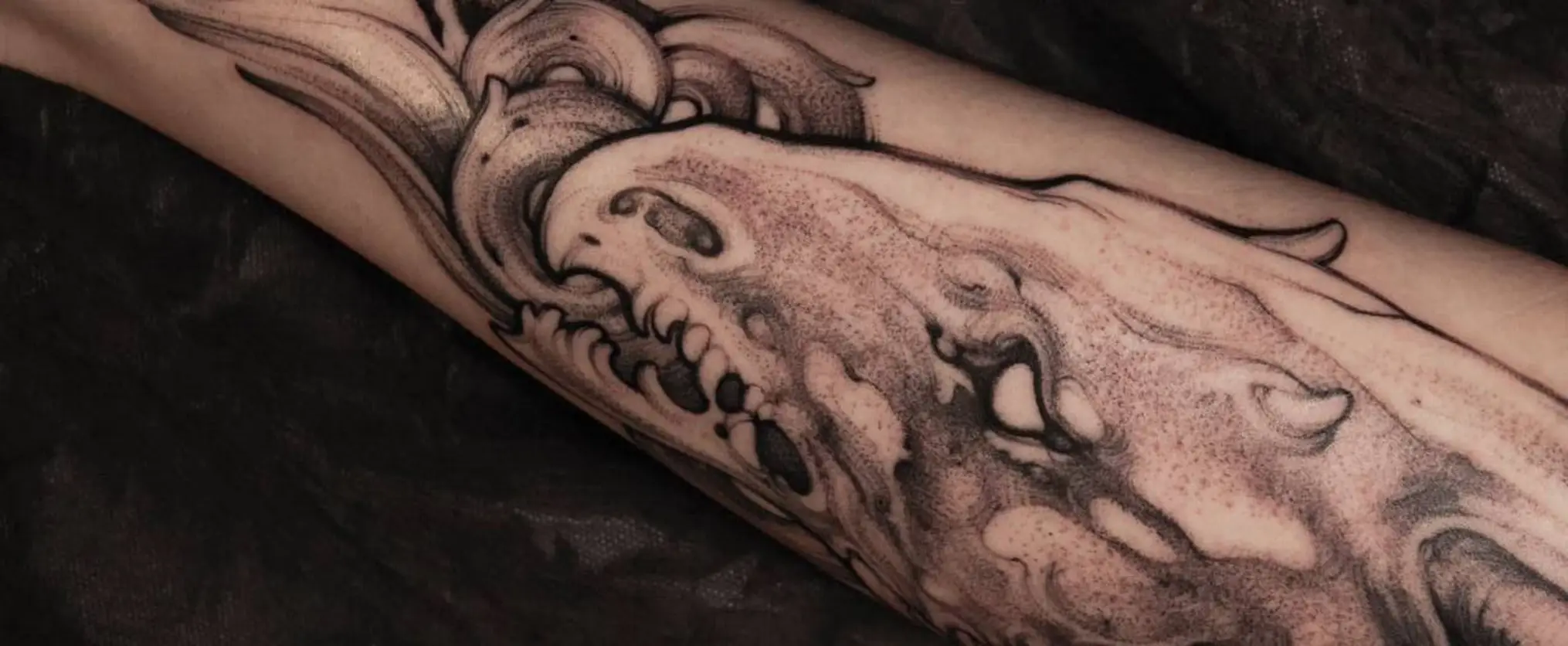
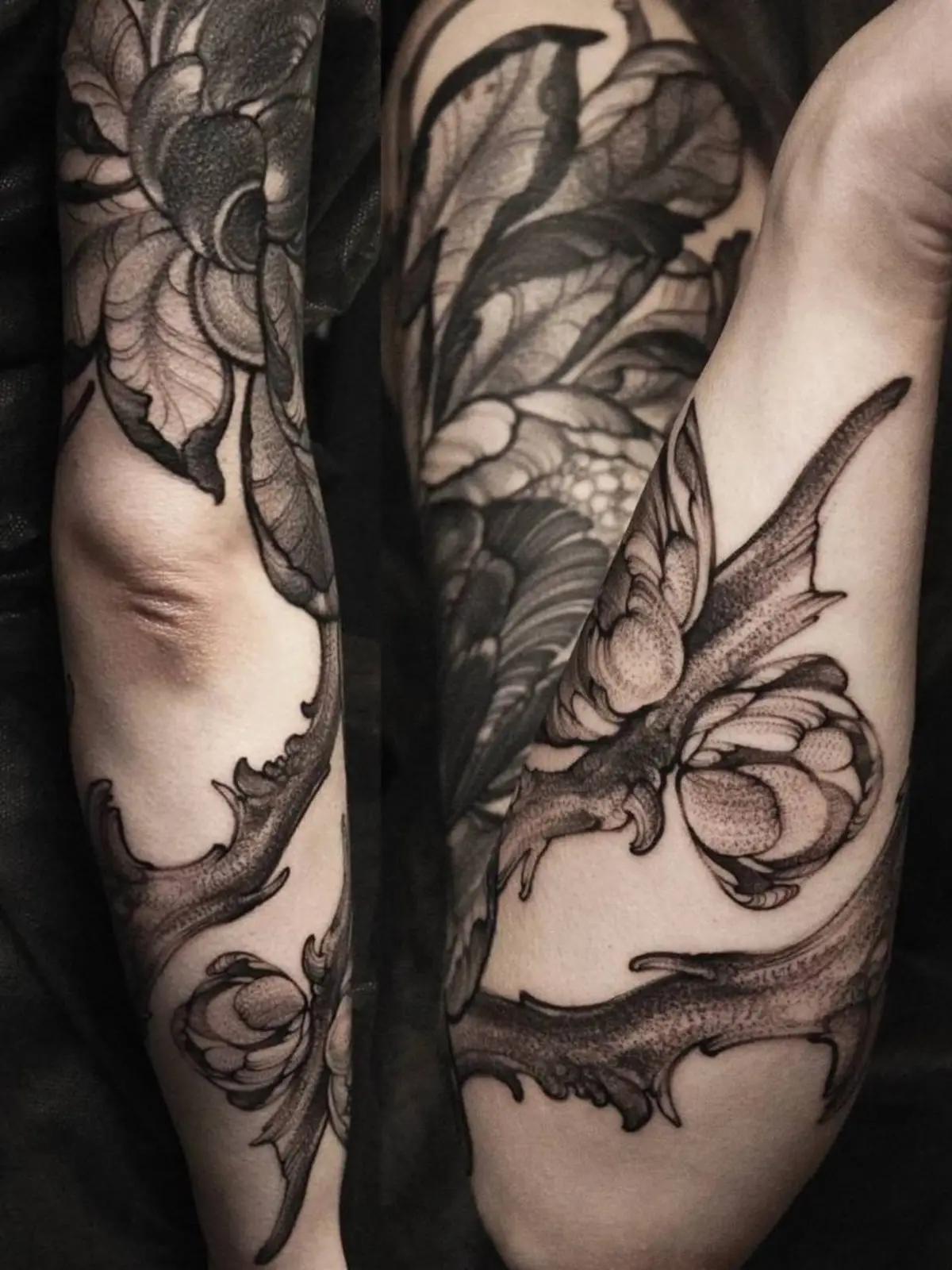
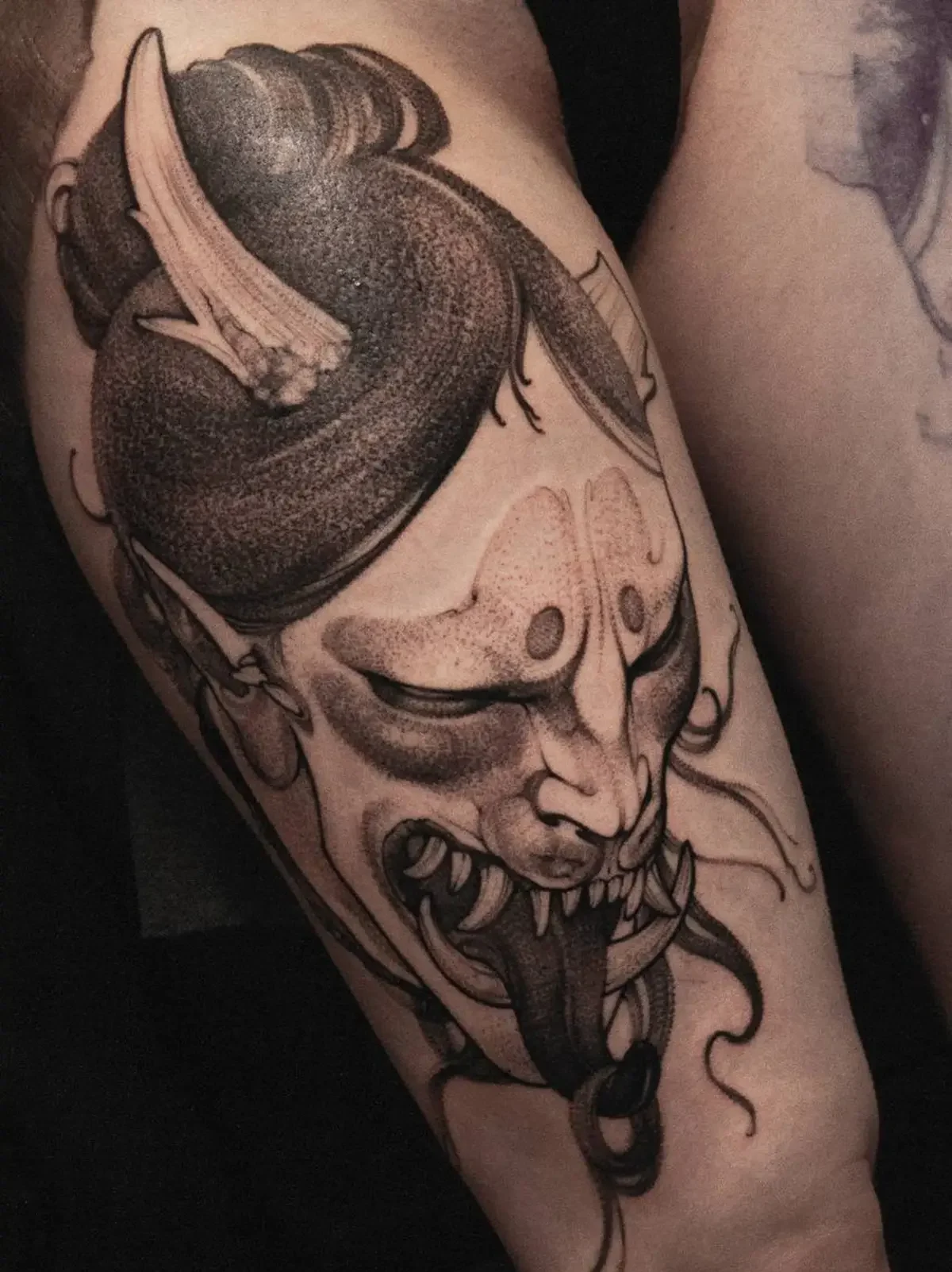
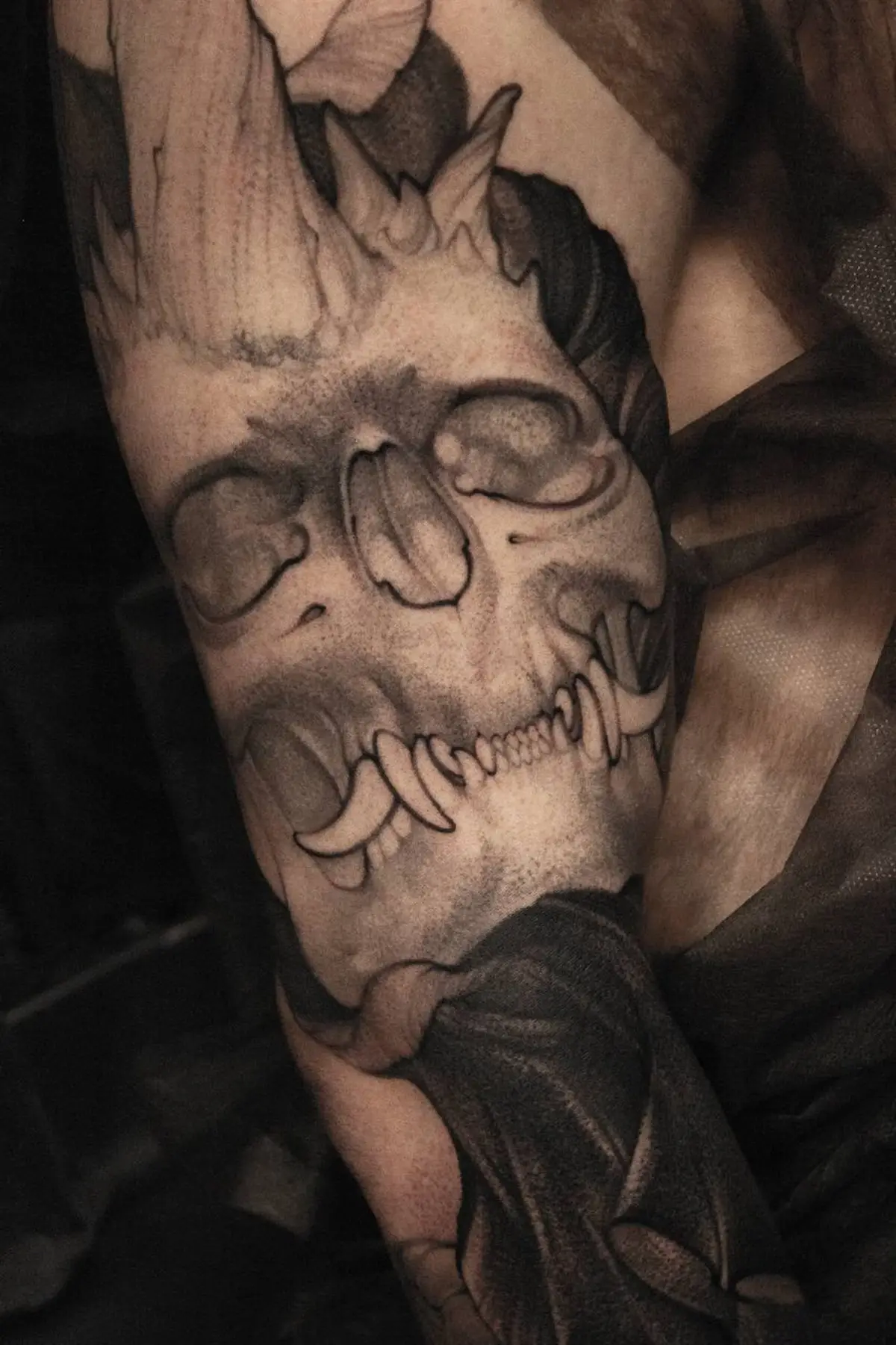
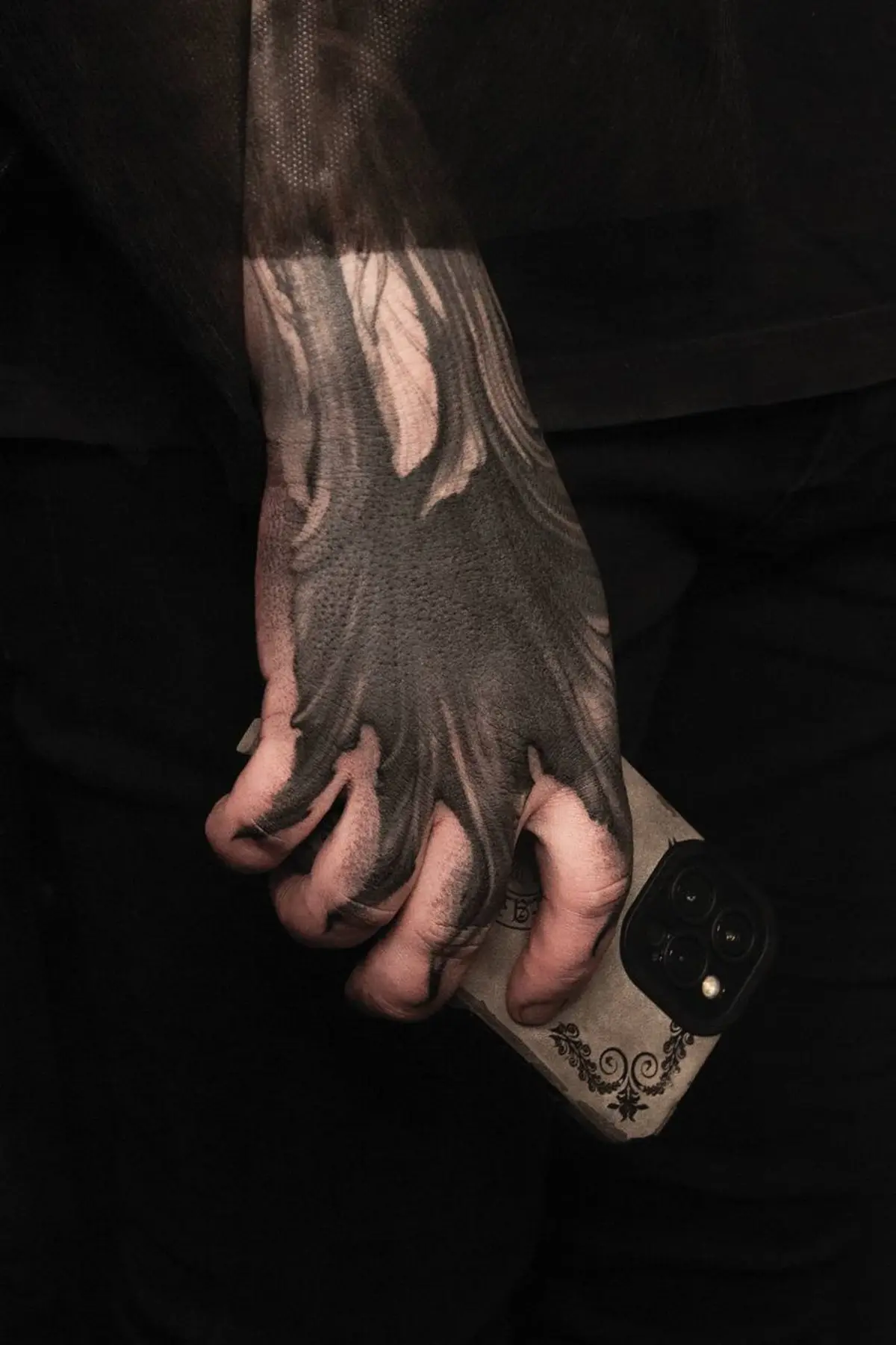
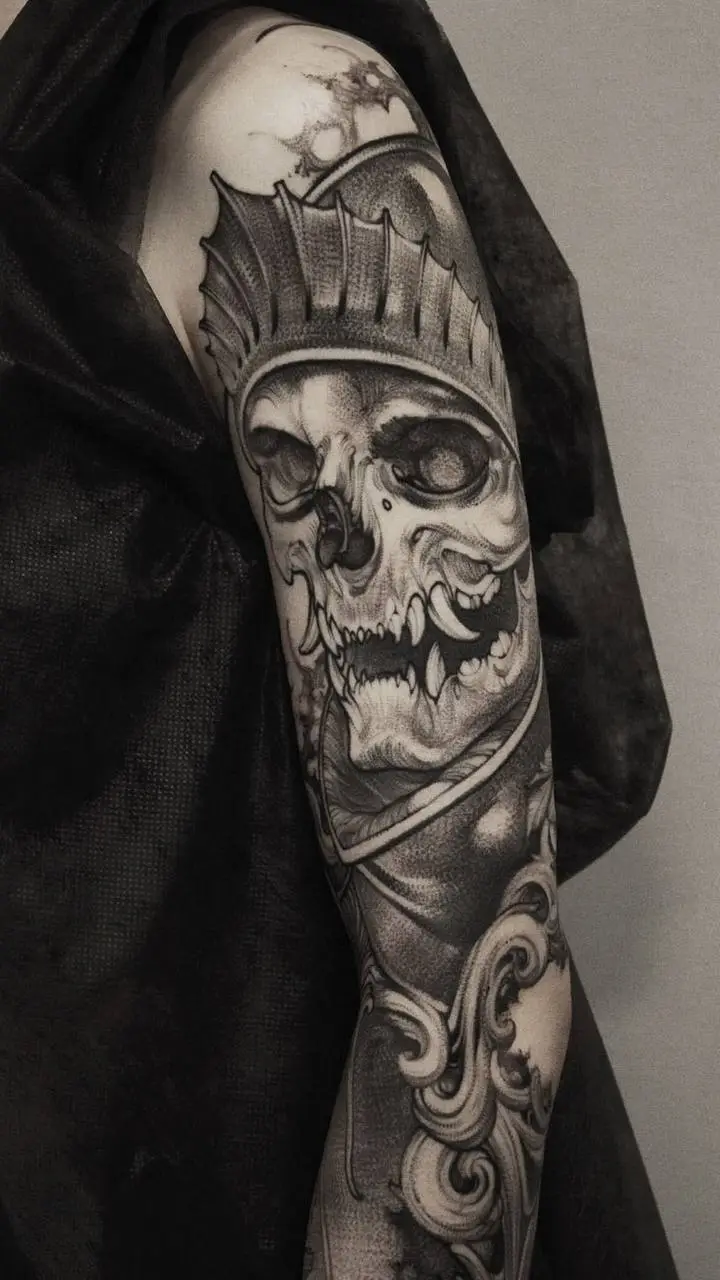
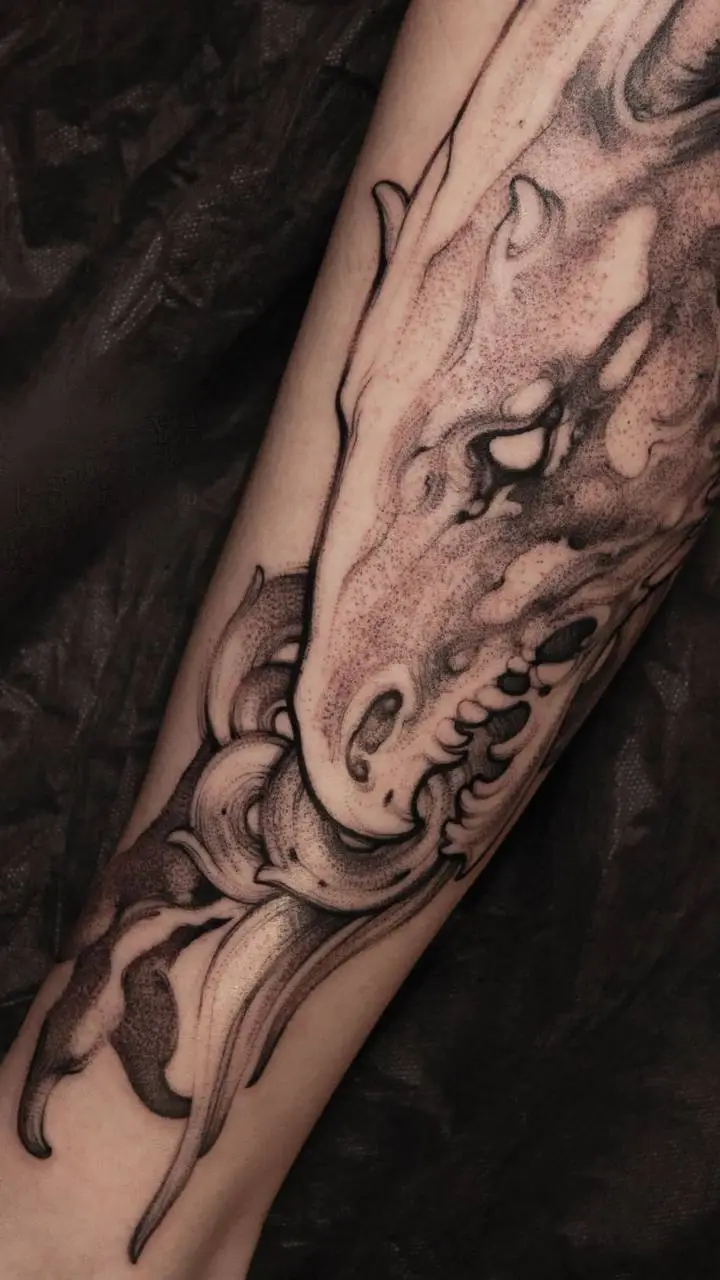
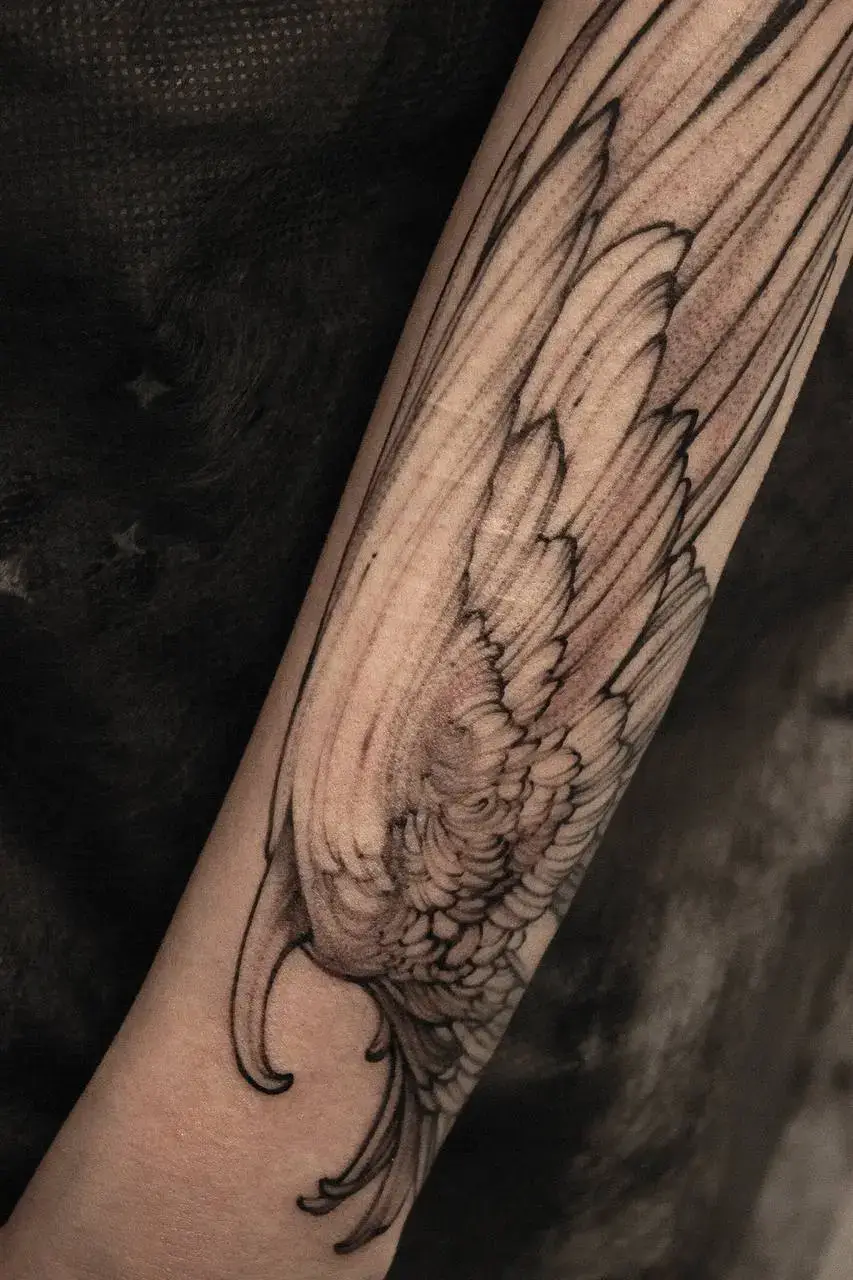
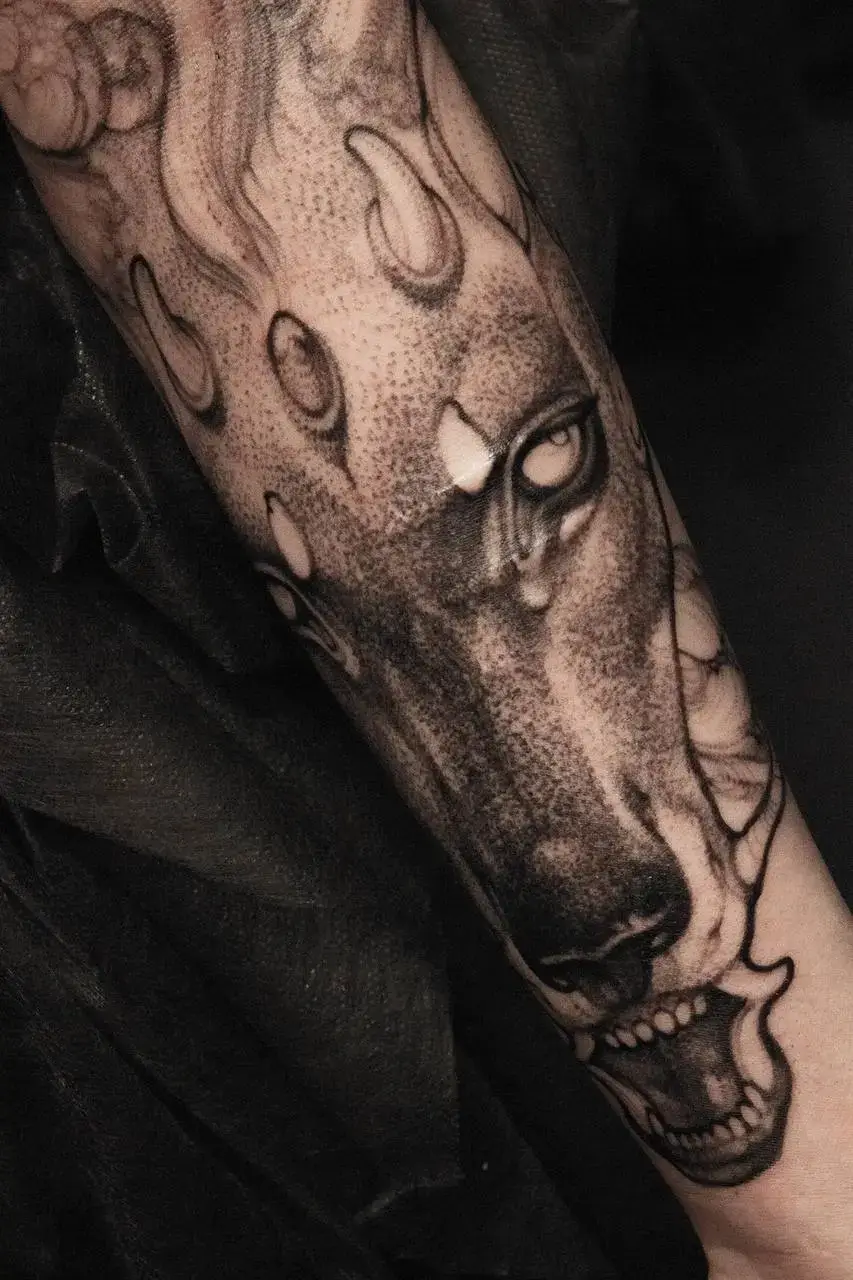
Over the past 16 years, Gajewsky has developed a distinctive black tattooing style built around a refined use of whipshading. Rather than filling space, she focuses on the architecture of the client’s body, using anatomy, silhouette, and negative space to create tattoos that feel as though they belong there naturally. It is an approach rooted in restraint as much as technique.
That perspective makes sense when you consider her background. Before becoming internationally recognized in tattooing, Gajewsky established herself as both a fine artist and sculptor, disciplines that continue to shape every aspect of her work today. Beyond her own practice, she built a career as an educator, developing a teaching methodology and mentoring tattoo artists who went on to become convention champions and award winners.
“My sculptural background allows me to have an exceptionally strong understanding of nuances that are crucial for a tattoo artist,” she says. “In terms of drawing, my love of form and my desire to convey the joy of it to the viewer will always stay with me, which is why it plays the leading role in my designs.”
For experienced collectors and tattooers alike, that distinction matters. There is a difference between a beautiful drawing and a strong tattoo. A drawing can ignore the body. A tattoo cannot. The best work understands anatomy without fighting it, and Gajewsky’s pieces often feel like they are moving with the body rather than sitting on top of it.
In an industry where trends move fast and social media often rewards immediacy, her philosophy feels rooted in something slower. Gajewsky does not talk about style as something an artist simply discovers one day. She sees it as the result of years of observation, discipline, and a deeply personal way of interpreting the world.
“I am convinced that every one of us is absolutely unique, and style cannot be found like a coin lying on the street,” she says. “A personal visual language is the result of interpreting the world through your own hands and your own system of perception.”
That same mindset informs the way she thinks about tattooing itself. While social media often celebrates fresh tattoos and instant visual impact, Gajewsky believes the real test of an artist happens years later.
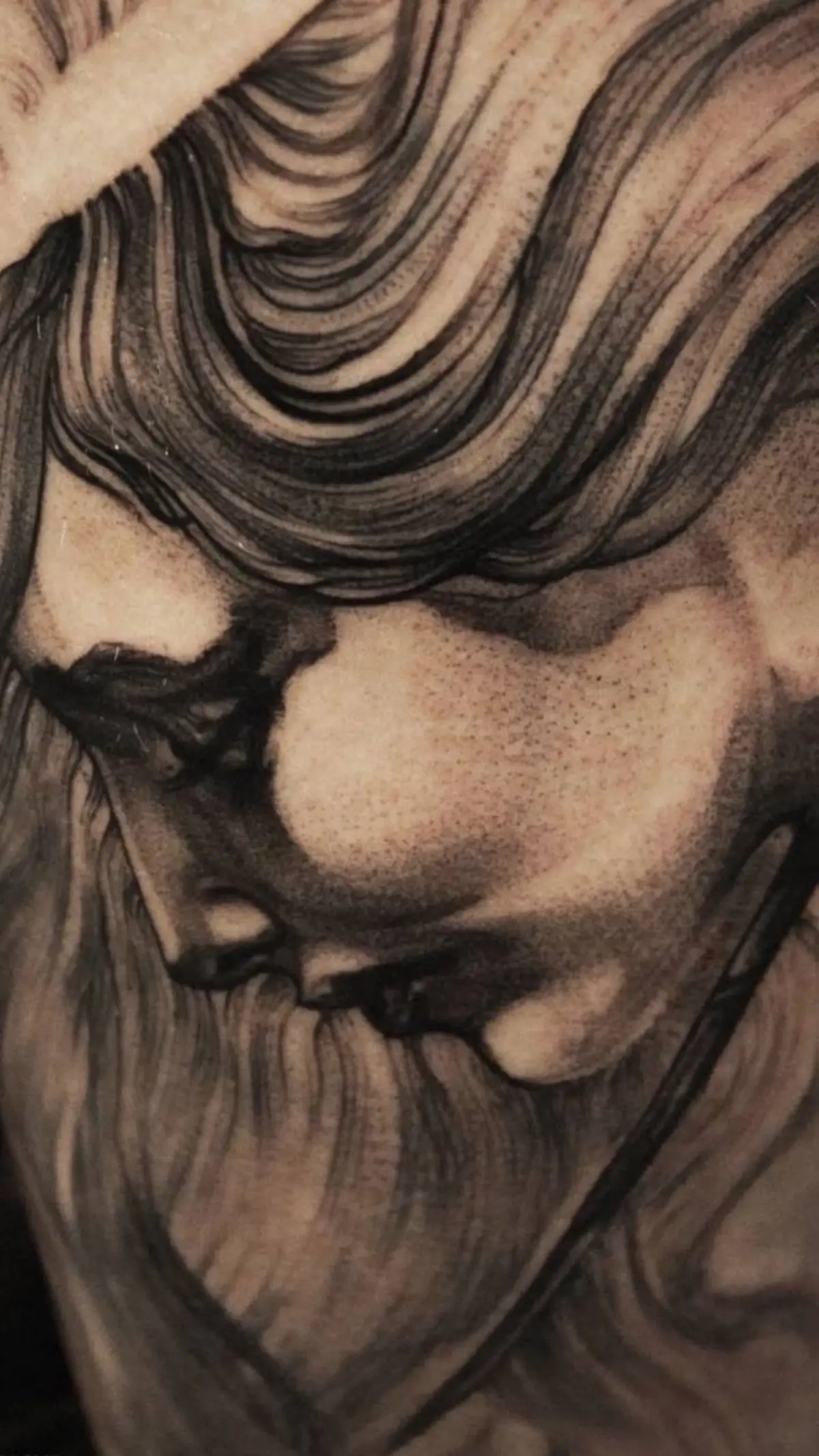
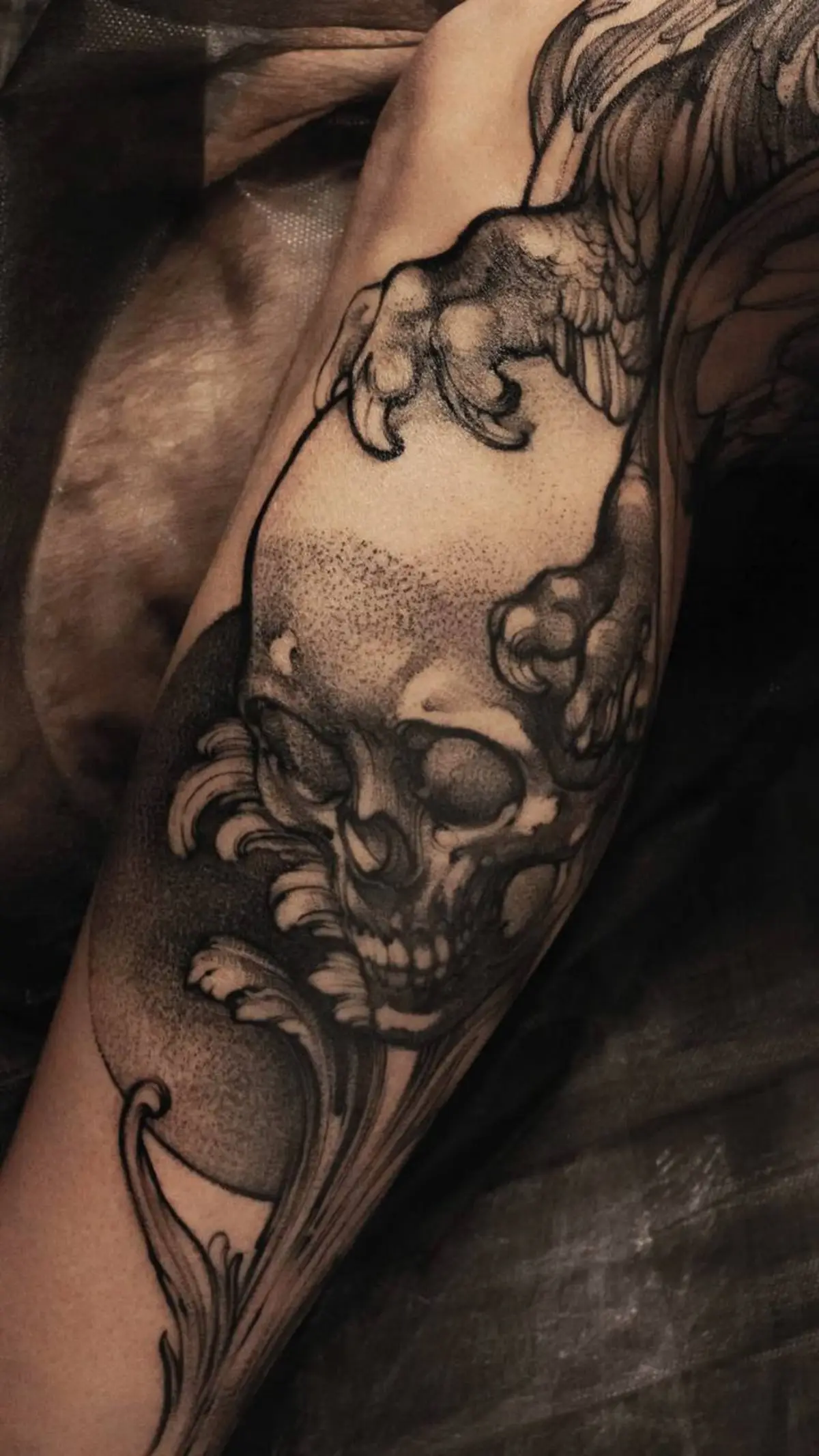
“Creativity should end where harsh realities begin,” she says. “Not everything that can be drawn should be tattooed, even if it looks beautiful when fresh.”
For Gajewsky, tattooing is where art meets physiology. Skin changes. Tissue moves. Bodies age. An artist who ignores those realities may create an impressive photograph, but not necessarily a tattoo that stands the test of time. That balance between artistic vision and technical discipline has become one of the defining principles of her career.
That responsibility extends beyond her own appointments. As an educator, Gajewsky has spent years encouraging artists to treat their careers as long term creative projects, approaching mistakes as opportunities to learn rather than reasons to stop. Curiosity and technical honesty, she believes, are what separate artists who plateau from those who continue evolving.
Looking back, the moment that best represents her career is not a single tattoo. After a serious battle with COVID forced her away from tattooing for three years, she believed she might never return. When she finally announced that she might be able to tattoo again, clients who had waited years for her filled an entire year of bookings almost immediately.
That experience became even more meaningful as war reshaped the tattoo community around her. While much of the creative world she had helped build was disrupted, Gajewsky continued making art, painting, and tattooing whenever possible, determined that her work would remain untouched by the destruction surrounding it. Having accomplished many of the professional goals she set for herself early in her career, her focus today is no longer on recognition but on continuing to create, teach, and pursue new artistic possibilities. One of her goals is to eventually build that future from a peaceful studio in the west.
“There is only one thing we can oppose to any force of destruction,” she says. “The force of creation.”
That philosophy may ultimately explain why her work resonates so deeply. It isn’t simply because she thinks like a sculptor. It’s because, through years of teaching, hardship, and artistic evolution, she has never stopped believing that creating something meaningful is one of the most powerful things an artist can do.
To see more of Polina Gajewsky’s work, follow her on Instagram.
Editor's Picks
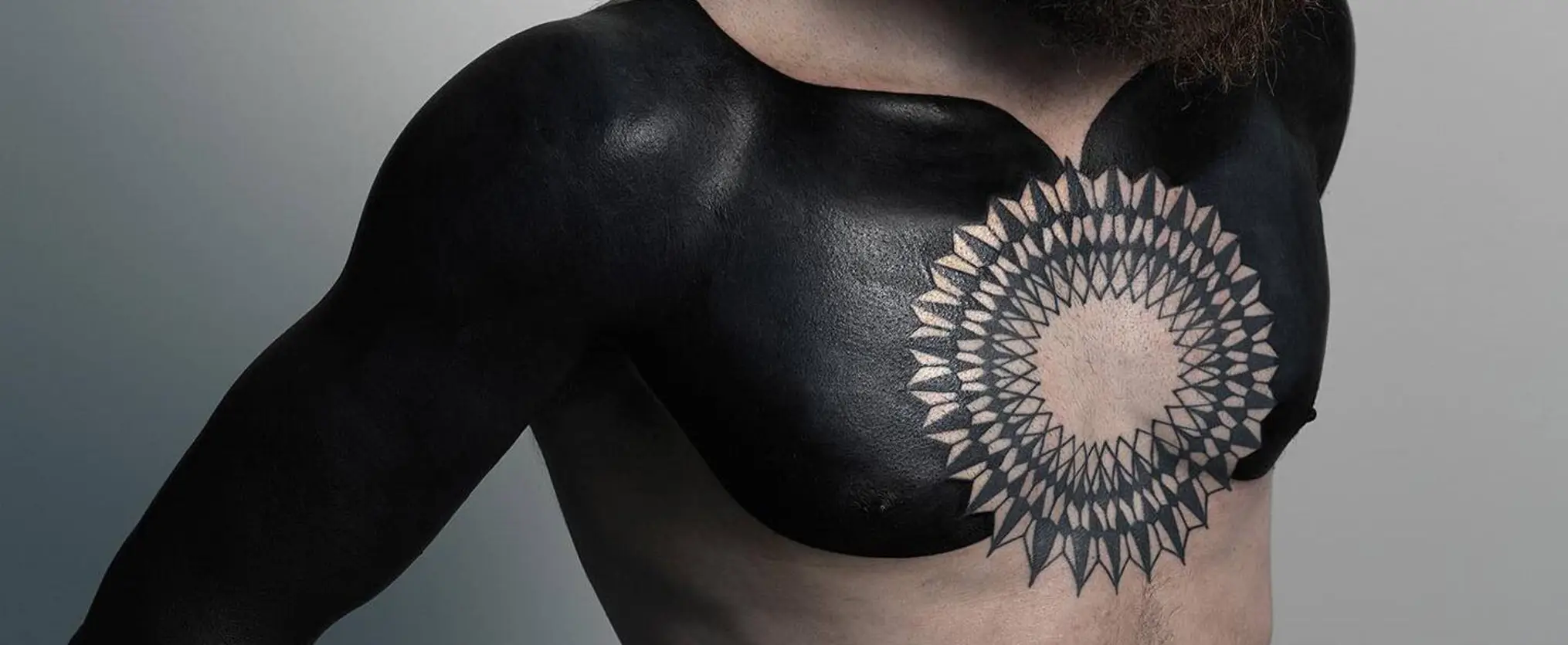
The Artists Behind Today’s Boldest Blackwork
If you’re thinking about going bold, start with these 20 artists.
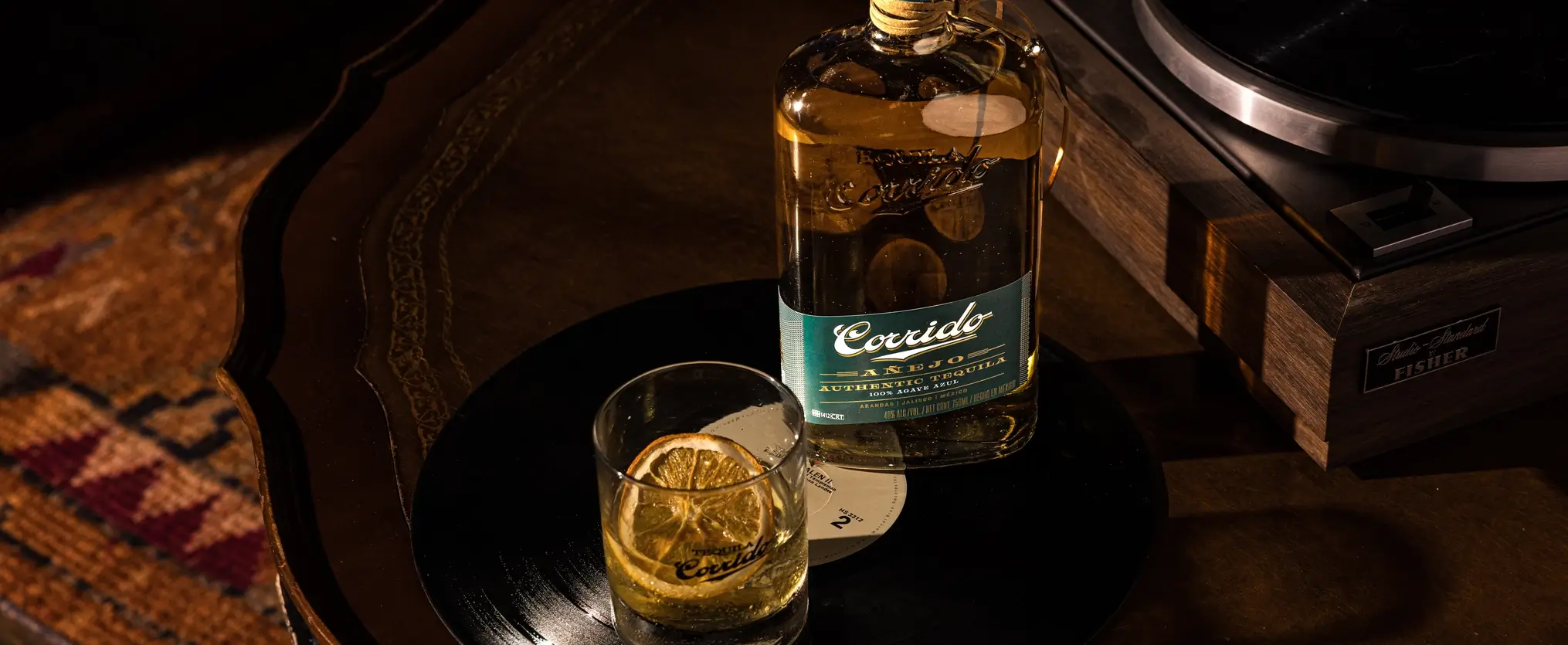
When Tattoo Artists Tell the Truth Over Tequila
Truth or Sip sparked honest conversations about overdone tattoo trends, difficult clients, and even one celebrity’s tattoos.
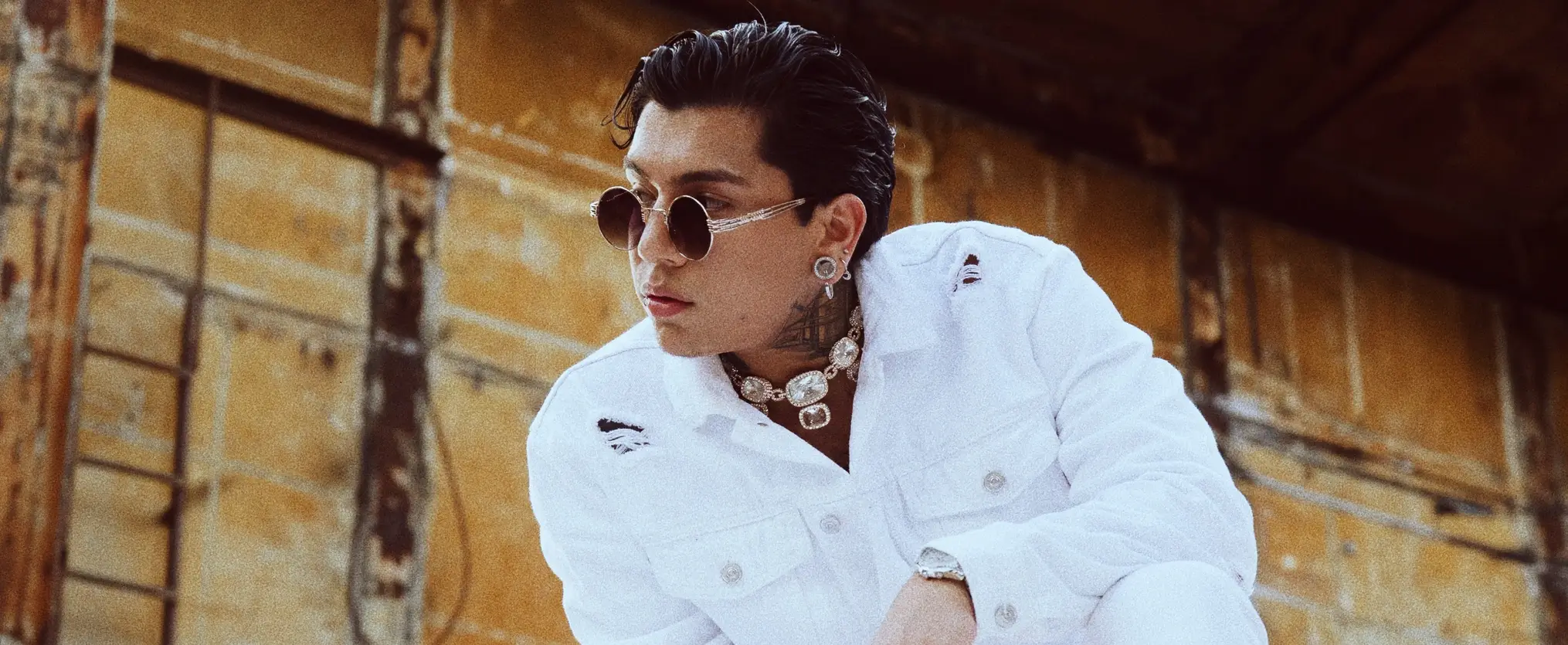
The Best Tattoo Artists Don’t Copy Ideas. They Interpret Them.
For Miami Black & Grey artist Arcangel Tattoo, the most important part of a tattoo isn’t the stencil or the reference photo. It’s knowing when an idea can become something better.
More From Culture

When Tattoo Artists Tell the Truth Over Tequila
July 21, 2026
“ONE OF ONE”
July 20, 2026
This Summer’s Must Have Tattoo Gear
July 15, 2026