Emily Adam
February 18th, 2026
The Collage Culture
Inking in increments for storytelling and personal identity
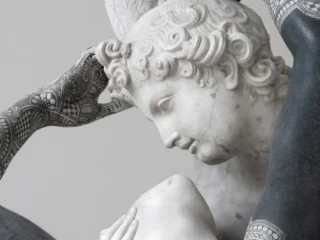
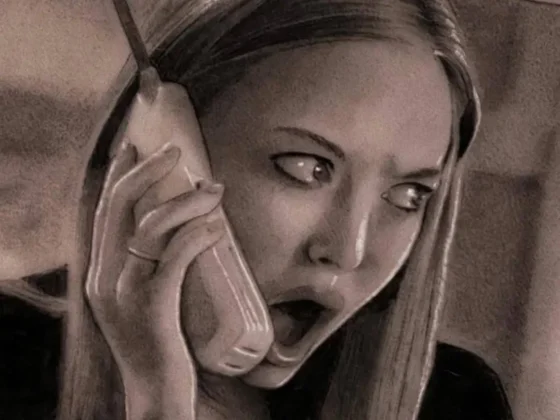
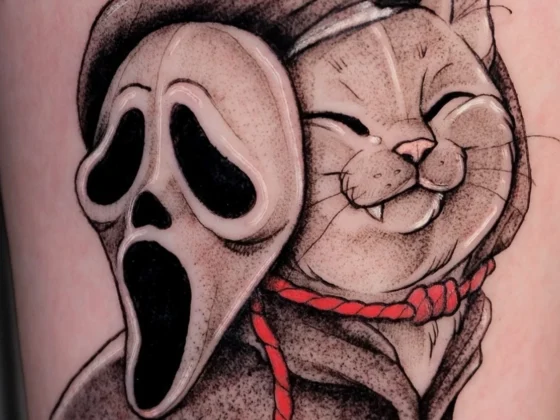
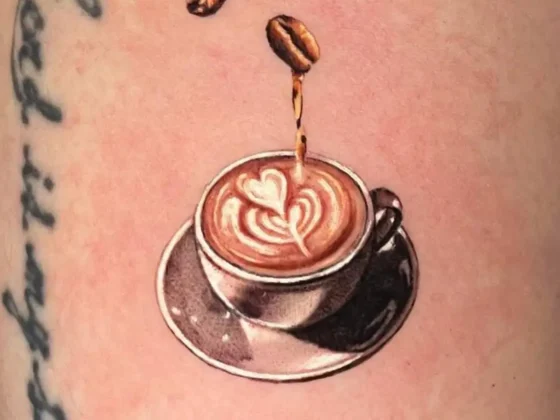
Tattoo collages, or patchwork tattoos, are visual diaries, with designs chosen for meaning, mood, or moments in time, and is a style of tattoo art that has grown exponentially in popularity in recent years.
“Unlike a traditional sleeve, there’s usually no master plan behind its design,” L.A.-based tattoo artist Merrin Duhé explains. “Most of the pieces are flash tattoos, spaced to let some skin show through, creating a sense of organized chaos. It’s a busy, sometimes chaotic look, but each piece holds meaning. Together, they tell a deeply personal story.”

For those not acquainted with tattoo collages, think remembrance pieces, such as the Eiffel Tower from a trip to France, alongside an astrological sign, a childhood pet, and Rosie the Riveter. Duhé explains that people are often attracted to this style as “the collection evolves as you do. It’s often a bit messier, less polished, but that’s what makes it so personal and unique.”
One of the biggest differences between patchwork tattoos and traditional cohesive sleeves is in who leads the process, according to London-based tattoo artist Alina Dze. “In collage-style tattooing, it’s the client who sets the direction. Their choices shape how (it) develops over time,” she explains, adding, “With traditional sleeves or body plans, the artist usually takes the lead. It’s a single vision designed to flow together from the start, where every detail is carefully placed to create harmony.”

The Rise of Tattoo Collages
Accessibility in the modern tattoo scene has played a major role in contributing to the rise of tattoo collages. Duhé says accessibility has skyrocketed, explaining that flash sales, traveling artists, and special events are all contributing factors to the style’s rise in popularity.
Luke Cormier, an artist based in Nova Scotia who creates tattoos that look like stickers, named social media as the driving force behind accessibility. He explains that patchwork is actually traditional tattooing. “It’s kind of like bell-bottom jeans — they always come back around — and tattooing is similar,” he says. “I mean, just look around, cargo pants and early 2000s are in right now, so it makes sense the tattoos are coming back with it.”

Tattoo artist Audrey App, based in Chicago, first noticed the trend in tattoo collages emerging during 2020. Around this time, “Influencers and social media trends really changed the industry,” she says.
Recent fashion and celebrity culture also play roles in patchwork’s rising popularity. “Artists like Harry Styles and Dua Lipa helped popularize this collage-style look with their mix of small and symbolic tattoos,” Dze explains, adding, “Tattoo artists themselves also contributed by sharing patchwork compositions online and showing how separate designs can still look balanced and beautiful together.”

Breaking Traditional Boundaries
Collage tattoos have significantly impacted how some artists work with placement and design. “I always take time to analyze what they already have before adding anything new,” Dze explains. “I look at the flow, spacing, and contrast between styles, and think about how my design can fit in naturally.”
However, some artists have a different approach to patchwork composition. “For some, I can see how it might be harder, but this is what I love about tattooing,” Cormier explains. “It’s the stuff I started out with, so I’m right at home. We just slap that shit on where they want it!”
Due to the rise in patchwork styles, there has been a growing demand for flash pieces. Instead of using them to fill slow days, some artists have now built their entire business model around flash drops and limited editions. “I primarily focus on tattooing flash designs, and that’s a deliberate choice,” Duhe says. “In my ideal world, flash would be all I ever tattoo.”

While tattooing traditionally places emphasis on flow, balance, and visual hierarchy, collage-style tattooing challenges and often rejects these rules, with emphasis on placements and styles that stand out. “I think having a cohesive design and flow can be a great approach, but if someone feels drawn to a more unique and bold placement, they should absolutely follow that inspiration,” App says, adding, “The older generation brought a sense of stability and tradition to tattooing, while the younger generation brought motion, openness, and a readiness to take creative risks.”
Dze explored this acceptance of changing rules through the lens of social media, where tattoo artists are permitted to experiment with their artistry and break almost every traditional rule. “We now see everything: fusion styles, abstract work, deconstructed designs, and full mixes of techniques all in one piece,” Dze explains. “Social media gave artists and clients the freedom to create without limits, and that has completely changed how people think about what a tattoo can look like.”

“I think having a cohesive design and flow can be a great approach, but if someone feels drawn to a more unique and bold placement, they should absolutely follow that inspiration.” -Audrey App
Maximalism and Staying Power
These changing attitudes toward maximalist collages haven’t come about overnight, with some taking a little more time to adapt to the trend. “If you asked me a few years ago, I was all for large flowing tattoos, but now I get it,” Cormier says. “I personally want to collect small pieces so I can get more.”
App thinks collage-style maximalism allows people to really celebrate who they are. “I see it as someone’s story,” she says. “I have had a lot of clients get pieces that explain a story, memorialize a loved one, or say something they want to share through pictures.”

The chaotic nature of patchwork tattoos offers clients an opportunity to express their unique personalities. “I’ve seen some really unexpected mixes: people combining super delicate fine line tattoos with bold traditional or even blackwork pieces. At first, it sounds like they would clash, but on the skin, it can actually create a really striking contrast,” she explains. “Some of my clients collect tattoos from different artists around the world, and their skin becomes this visual mix of different techniques, inks, and healing patterns.”
When people collect ink like a permanent scrapbook, it eliminates the need to tell a single story. Duhé thinks tattoo collages could be here to stay. “In a world where attention spans are shorter than ever and the cost of living keeps climbing, quick, affordable tattoos are an accessible way for people to express themselves,” she says. “Grabbing a small piece here and there feels doable, and that’s exactly what will keep this style alive.”

Yet, Cormier explains tattoo collages as a trend cycle, saying it will last a little longer, before it “will change and come back around again just like the mullet.” The trend reflects a cultural shift in how society views art, identity, and autonomy. In the end, what remains constant is the desire to curate our bodies as living archives, regardless of what society deems trendy.
Editor's Picks
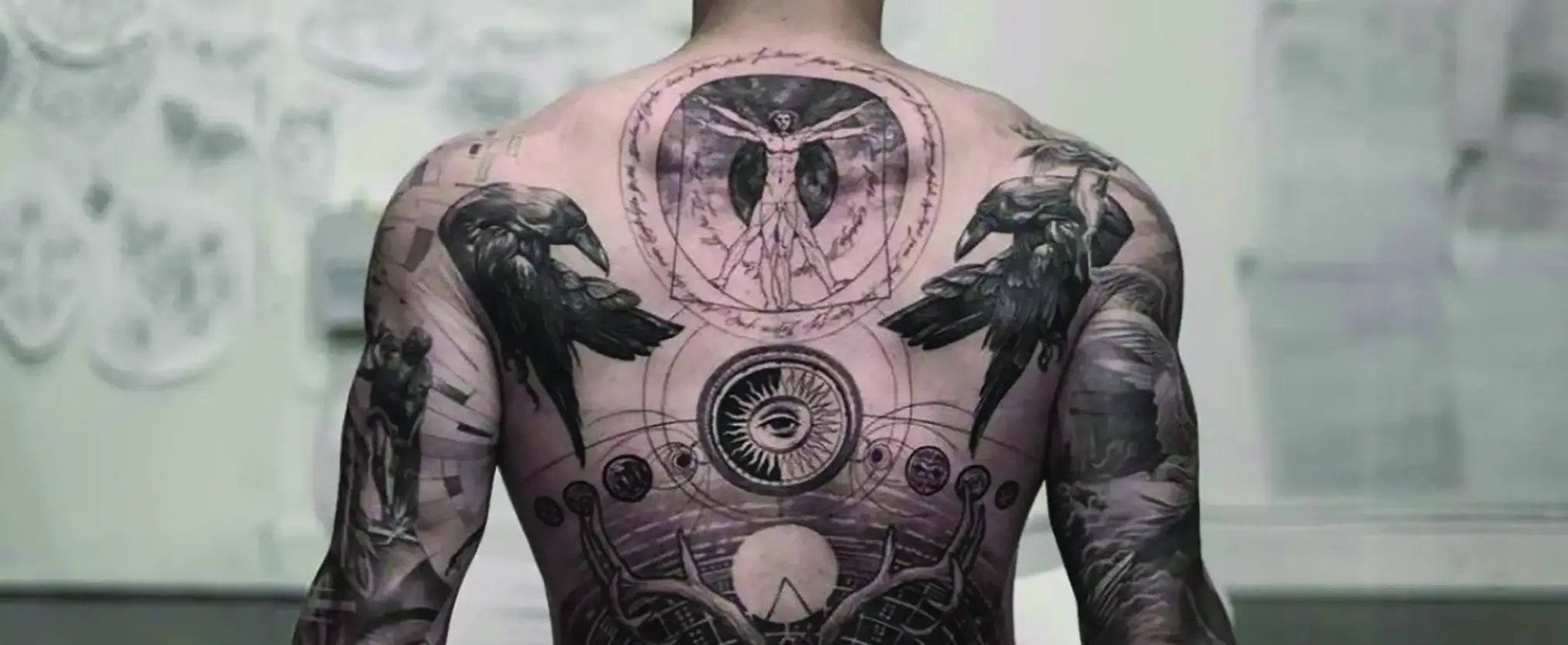
Realism Reduced and Refined
Micro-realism tattooing scales down breadth without sacrificing the details.
More From Culture
When the Relationship Ends but the Tattoo Stays
October 7, 2026
Marina Volk’s Painterly Color Realism Is Made for the Body
October 7, 2026
Automation Should Take the Paperwork and Leave the Craft Alone
October 5, 2026
The Best Kind of Rebellion Is the Kind You Can Taste
October 1, 2026