Inked Mag Staff
October 19th, 2026
Your Books Got Busy. Your Software Didn’t.
The booking platform built for tattoo artists, from the first inquiry to the final session.
It’s Monday. The shop is closed. An artist is on the couch, phone in hand, working through forty unread messages.
Someone wants to move Thursday’s appointment. A reference photo sent three weeks ago now needs to be found. Two people want pricing. One deposit never came through, and checking whether the payment request ever went out means scrolling back past a conversation about rib placement.
None of that is tattooing. All of it is the job.
That pile is what success looks like. A quiet inbox is a different problem entirely. The admin grows with the demand: more inquiries, more consultations, more references to track, more deposits to chase, more dates to move. Falling behind can feel like a personal failure. Mostly, it’s just volume.
What makes it worse is that the software most artists reach for was never built for them. Salon and barbershop booking tools assume a client picks a service, picks a time, and shows up. No amount of workarounds makes a haircut app understand a half sleeve.
That gap is what led to InkDesk.
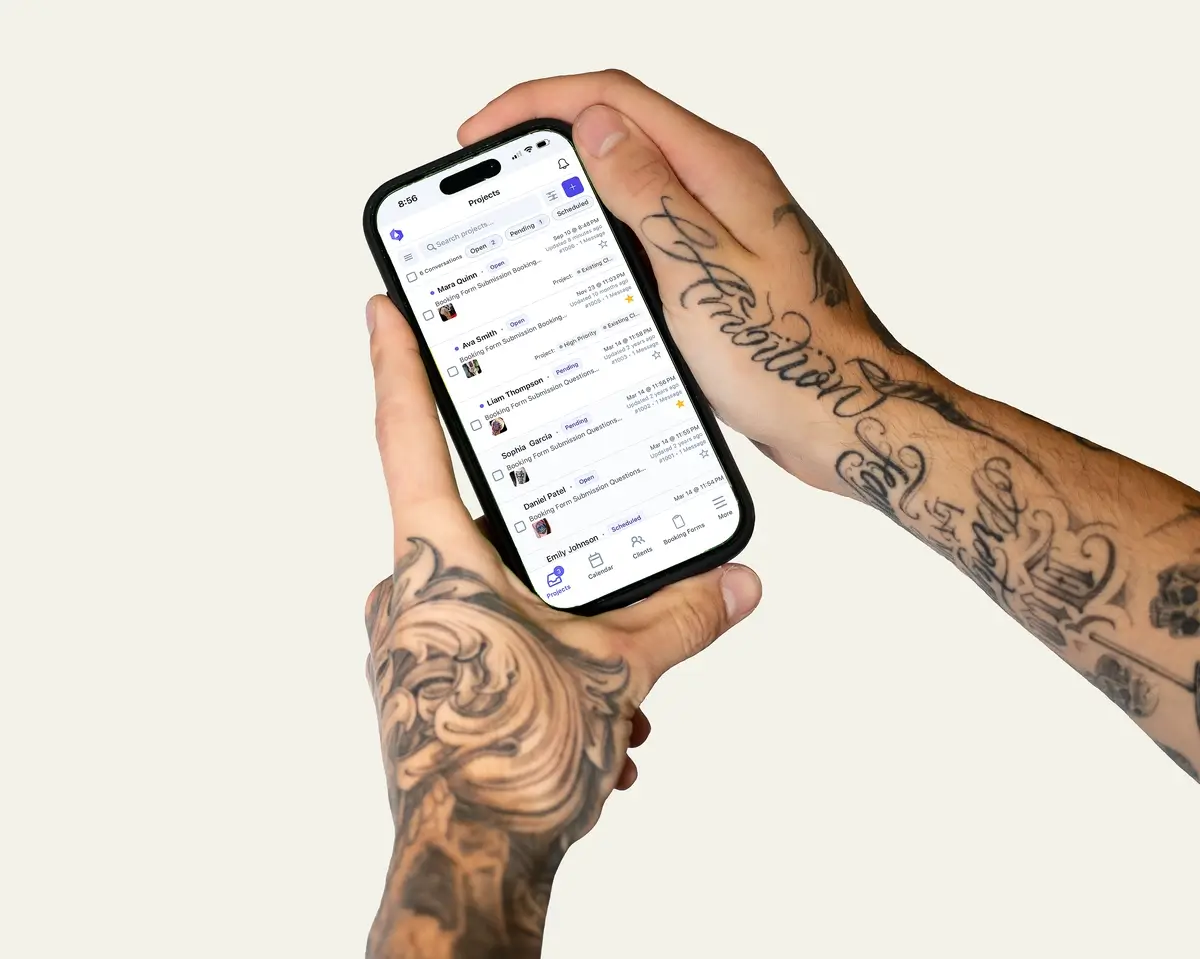
“One of my closest friends is a tattoo artist, and over dinner I asked her what she disliked most about the job,” says Kevin Hung, CEO and cofounder. “I expected difficult clients or long hours. Instead, she talked about everything that happened around the tattoo. The messages, the scheduling, the deposits. She loved tattooing. She just wished she spent more time doing it.”
Hung and Andrew Dillion-Walshe started InkDesk in Toronto in 2023 with more than two decades of software experience between them. Neither is a tattoo artist. Rather than guess what artists needed, they spent months talking to more than fifty artists and studio owners before writing a line of code. Today, artists in 49 countries use the platform, but that early habit of asking questions has remained part of how the company develops it.
“We knew how to build the software,” says Andrew, InkDesk’s CTO. “What we hadn’t earned was the right to assume anything. Every feature in InkDesk is there because an artist told us it should be.”
One point came up over and over: by the time a tattoo reaches the calendar, most of the booking work is already done.
Before a date exists, an artist has to understand the idea, review the references, decide whether the project suits their style, work out placement and size, estimate the time involved, and determine whether it needs one session or four. Generic booking software treats the calendar as step one, then asks the client to choose a service and a duration. Those decisions belong to the artist, not the client. The calendar knows nothing about the conversation that came before it
InkDesk approaches the process from the other direction, keeping the information surrounding a tattoo connected as it moves from an initial idea toward an appointment. References, conversations, scheduling details, waivers and deposits can live with the project rather than being scattered across Instagram, email and text.
For independent Toronto tattoo artist Christine Pexin, that connection extends beyond the product itself. Being able to give feedback directly to the people building InkDesk has become part of that relationship.
“I like that I can actually talk to the people building InkDesk and tell them what’s working, what isn’t, and what would make my day easier. I feel like they actually listen to artists instead of just building software and expecting us to adapt to it.” Pexin says.
That relationship shows up in the day-to-day work, too.
“I’m not holding it all in my head anymore,” Pexin says. “Everything for a client is in one place, and the things I used to forget, the reference I meant to look at, the person I said I’d get back to, don’t slip now.”
View this post on Instagram
For Mike Jones, owner and operator of Pale Horse Tattoos, the value is in being able to put the administrative side of the job in its proper place.
“With the industry evolving so quickly, the job of a tattoo artist has expanded along the way. InkDesk lets me focus on being an artist and carries the burden of booking, tracking, communications, and organization all in one program so I can make my client the priority.”
There is no universal way to run a tattoo practice, and that may be the point. Artists develop their own rhythms around consultations, communication and booking just as they develop their own approaches to the work itself. The challenge is keeping the administrative side from becoming the thing that dictates that rhythm.
“Artists shouldn’t have to reshape how they work to fit software,” Hung says. “Everything we build gets judged on two things: Does this make an artist’s life easier, and does it give them their time back?”
Because when the books get busy, the goal isn’t necessarily another tool or another system to manage. It’s fewer Mondays on the couch, phone in hand, digging through messages for the details of a tattoo that hasn’t even started yet.
To learn more about InkDesk, visit inkdesk.app.
Editor's Picks
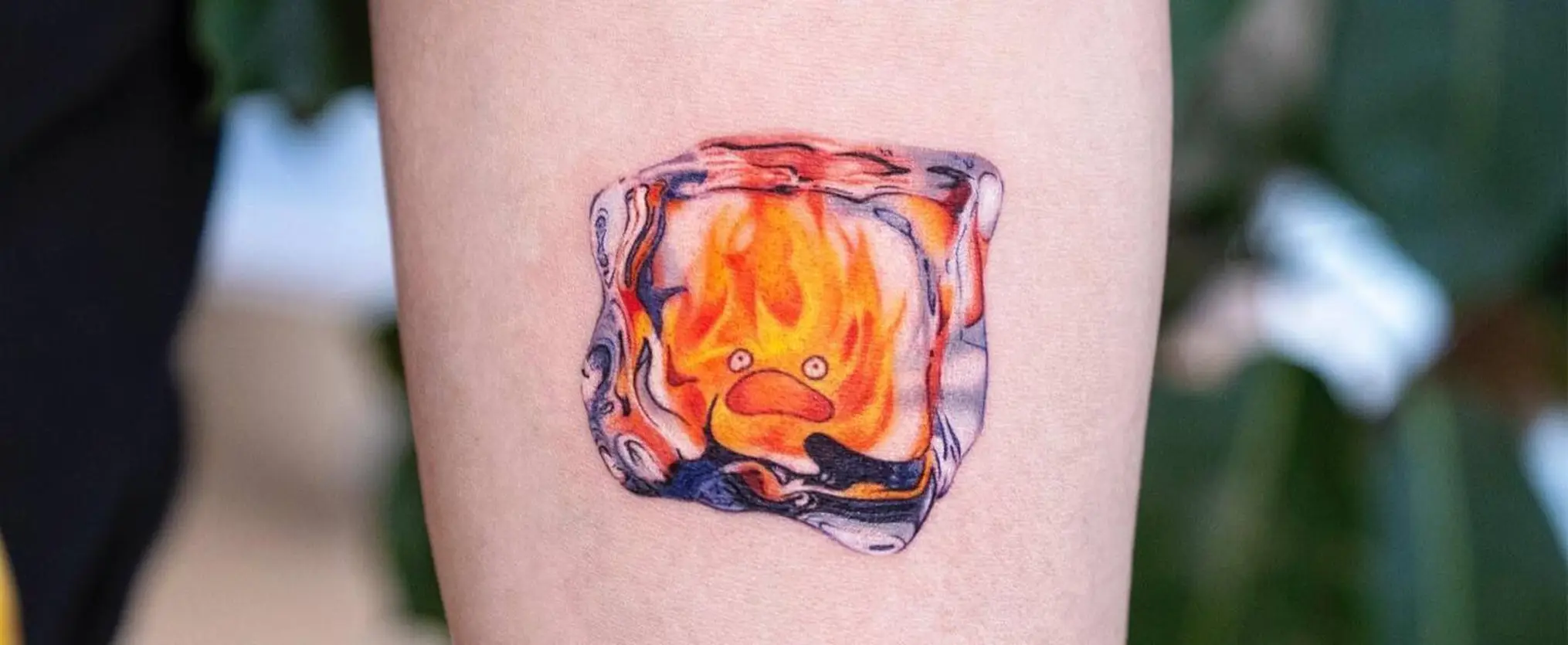
Inked Tattoos of the Week
This week’s picks prove there’s always something new to discover in tattooing.
Eminem Tattoos Every Fan Should See
In celebration of Eminem’s birthday, we’re looking at the tattoos fans have dedicated to the rap legend and his lasting legacy.
More From Culture

Halloween Essentials to Die For
October 14, 2026
It’s Shnow Season!
October 13, 2026
When the Relationship Ends but the Tattoo Stays
October 7, 2026
Marina Volk’s Painterly Color Realism Is Made for the Body
October 7, 2026