
Amy Higgins
March 30th, 2026
Tattooing for a Second Chance
Inside a pioneering tattooing program that leads inmates toward a pathway home.
On a quiet stretch outside Dover, Delaware, surrounded by farmland, open fields, and vast skies, stands a facility where, behind the walls, a unique kind of classroom is reshaping what rehabilitation can look like. The James T. Vaughn Correctional Center Tattoo Studio (JTVCC) in Smyrna, Delaware, a Level 5 prison that houses minimum-, medium-, and maximum-security inmates, prepares its residents for life after incarceration by teaching them valuable trade skills.
Not everyone inside the JTVCC will return to life on the outside, but many will. They will navigate our local grocery stores, attend citywide celebrations, and wait their turn at the post office, just like their neighbors. For that transition to be successful, rehabilitation programs matter.
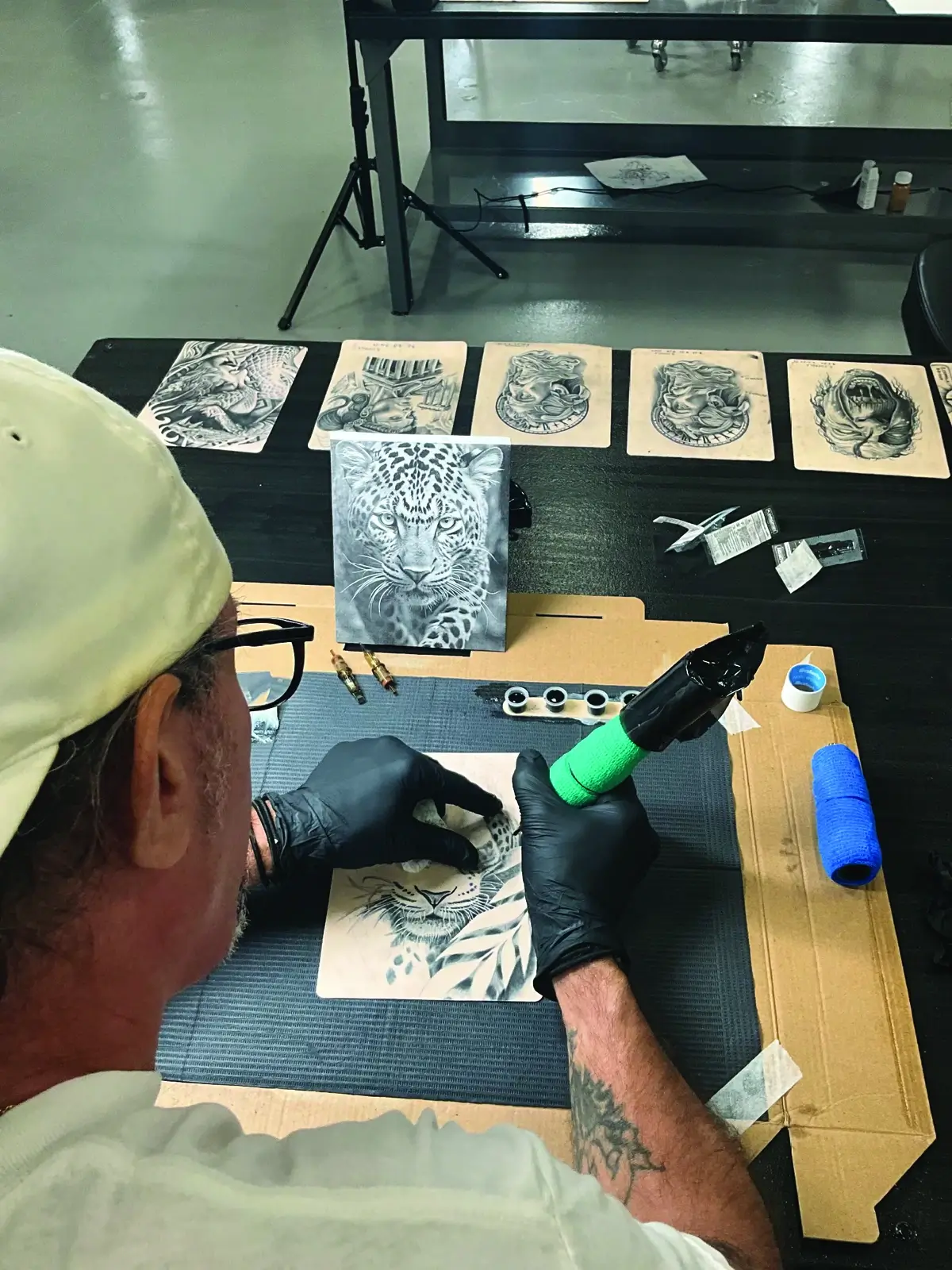
On April 1, 2024, the JTVCC introduced a tattooing program to its roster of educational programs. “The Tattoo Artist Career Pathway Program demonstrates our creative thinking to bring prison tattooing out of the shadows, create educational opportunities to build a practical career, and prevent the spread of bloodborne diseases like hepatitis,” said the Delaware Department of Correction Commissioner, Terra Taylor, in a 2025 press release. “This pilot vocational training program meets the built-in demand for prison tattoos in a safe, hygienic, and supervised environment, creates new opportunities for incarcerated individuals to perform meaningful work, and supports our safety mission by creating incentives to keep inmate tattoo artists and customers out of trouble.”
The goal: offer inmate students an opportunity to be financially and informatively prepared for release, with a job awaiting them on the other side.
A Pathway Paved in Ink
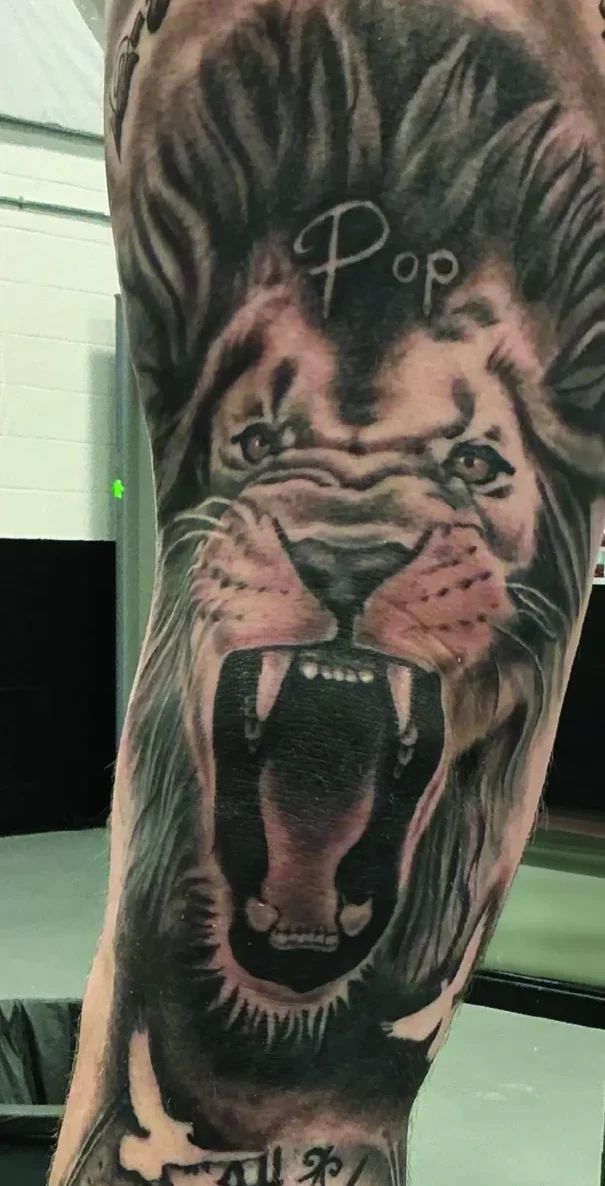
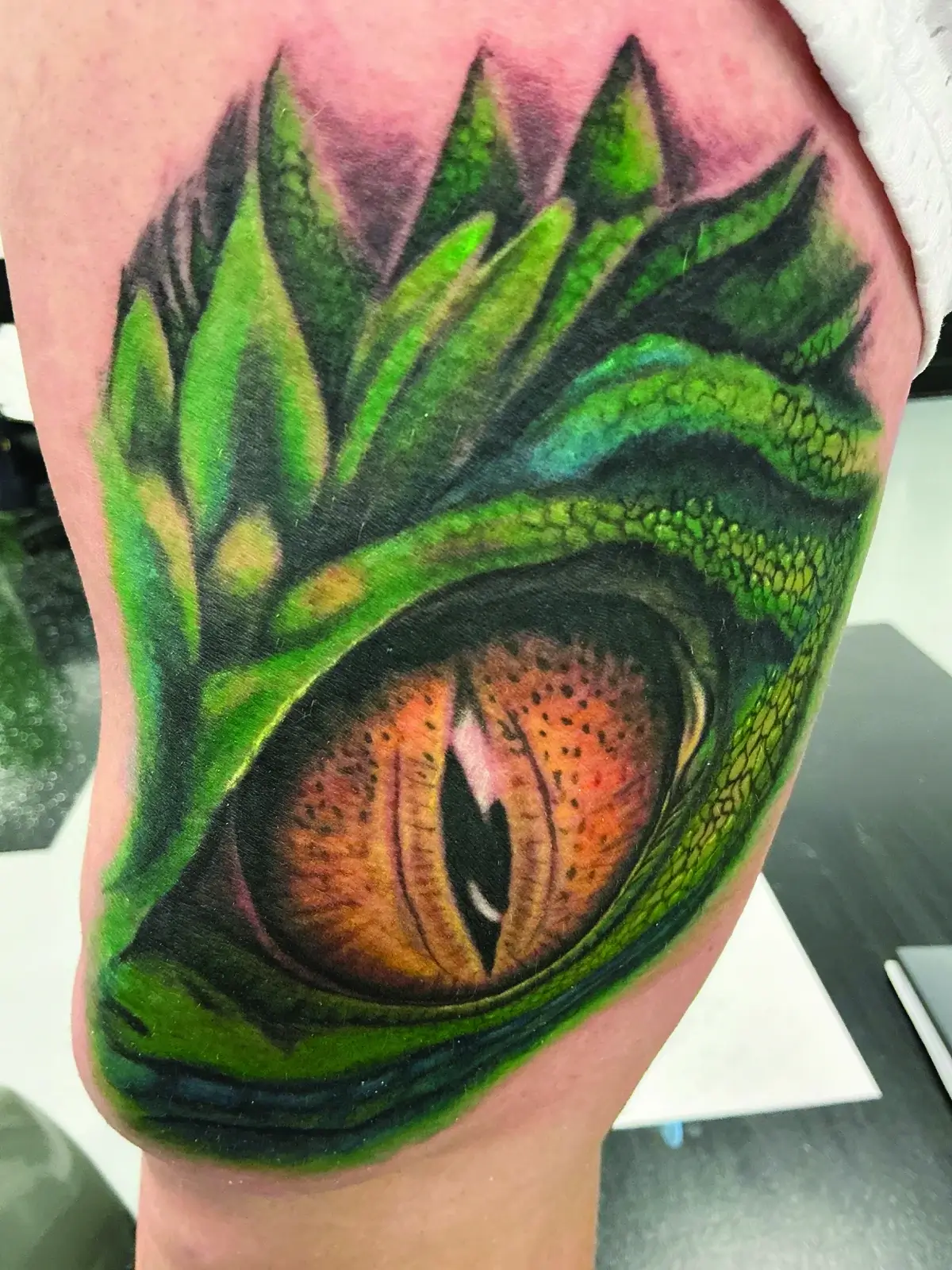
Leading the Tattoo Artist Career Pathway Program is Larry Normile, owner of Dover-based Artistic Additions tattoo studio, who brings his nearly 30 years of tattooing experience to the role. As a former inmate, Normile is intimately familiar with the obstacles inmates face after being released from prison.
With a full roster and a sizable waitlist, the inmates’ response to the program is significant, and the vetting process is multifaceted. Most inmates accepted into the program will be set for release within three years, and only minimum- and medium-security inmates are considered. Artistic fortitude is a must, but so are work ethic, attitude, and customer service skills.
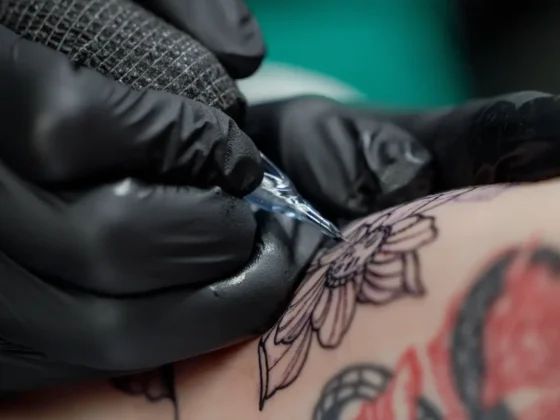
It’s a comprehensive curriculum, starting with the basics for the first 12 weeks: tattoo definitions, infection control, allergic reactions, and line weight. The students go on to learn about the different tattoo needle types, shading techniques, and pigment packing, and then they get schooled on bloodborne pathogens and digital design. Weekly quizzes ensure students understand the subject matter, and certificates of completion are awarded.
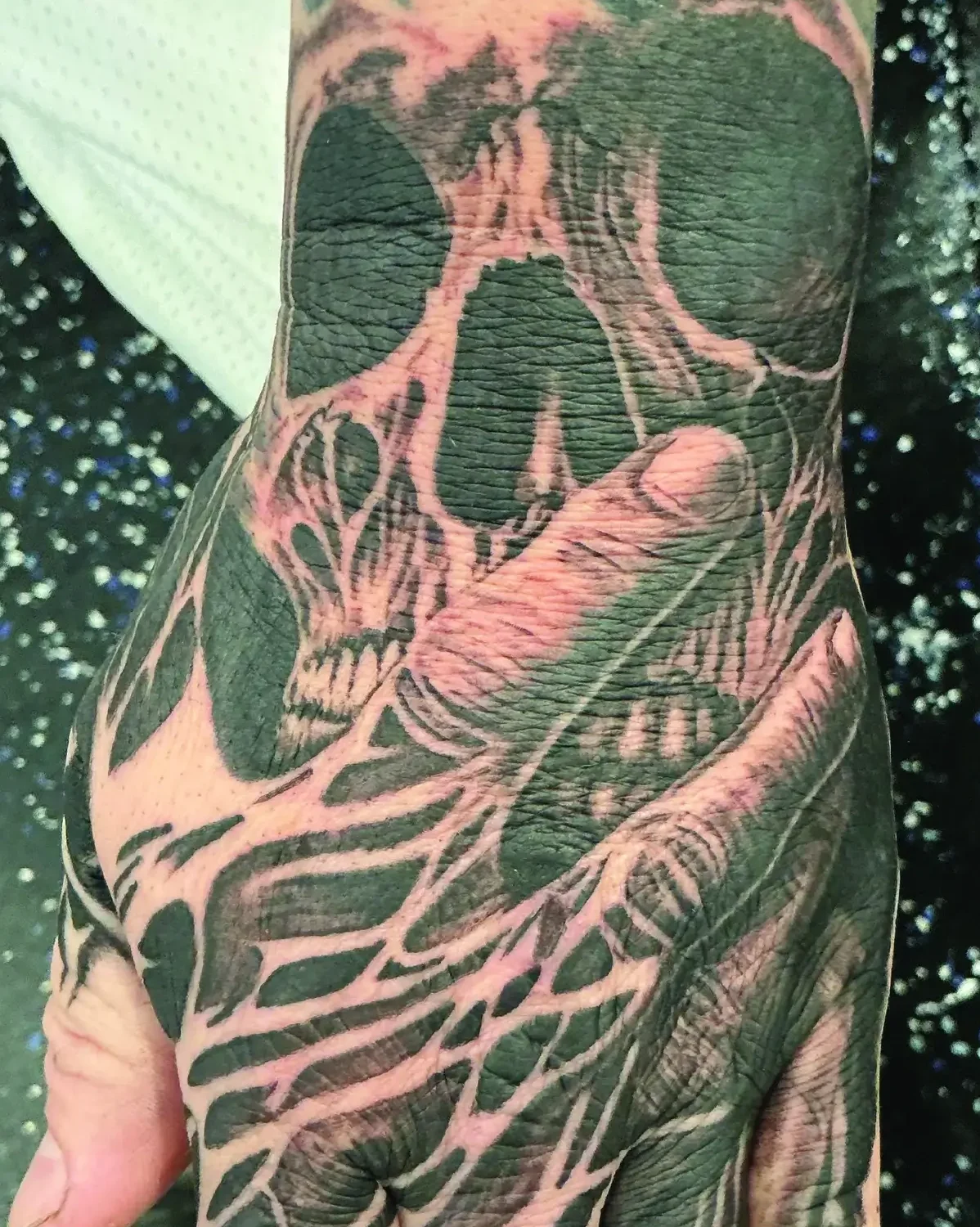
The course’s tattooing fundamentals are broad, which Normile believes gives his students a leg up. “You can go out, go to a tattoo shop, and say, ‘Hey, look at all this artwork I’ve been creating while I’ve been in this apprenticeship program, and if you ask me a question about a cartridge or a needle, I can tell you why, and what I use, and why I would use it. Now, I haven’t applied it to anything yet, but I would be a good apprentice,’” Normile explained. “(As a hiring manager), I feel like that would be someone I would take in because they have enough knowledge and art experience, plus enough content I can use with their paintings and their drawings to show that, hey, this is an apprentice.”
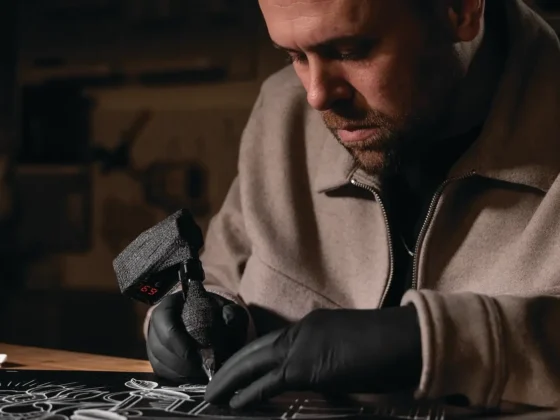
The inmates practice art on fake skin during the second phase of the program and are tested weekly. The students start tattooing simple shapes, such as stars and circles, and go on to create their own tattoo designs to ink into the fake skin. “I humble them because a lot of them have tattooed in here for years, and they think they’re monsters, until you put them on real skin or fake skin and tell them ‘star’ or ‘circle’ and you humble them,” Normile said, laughing.
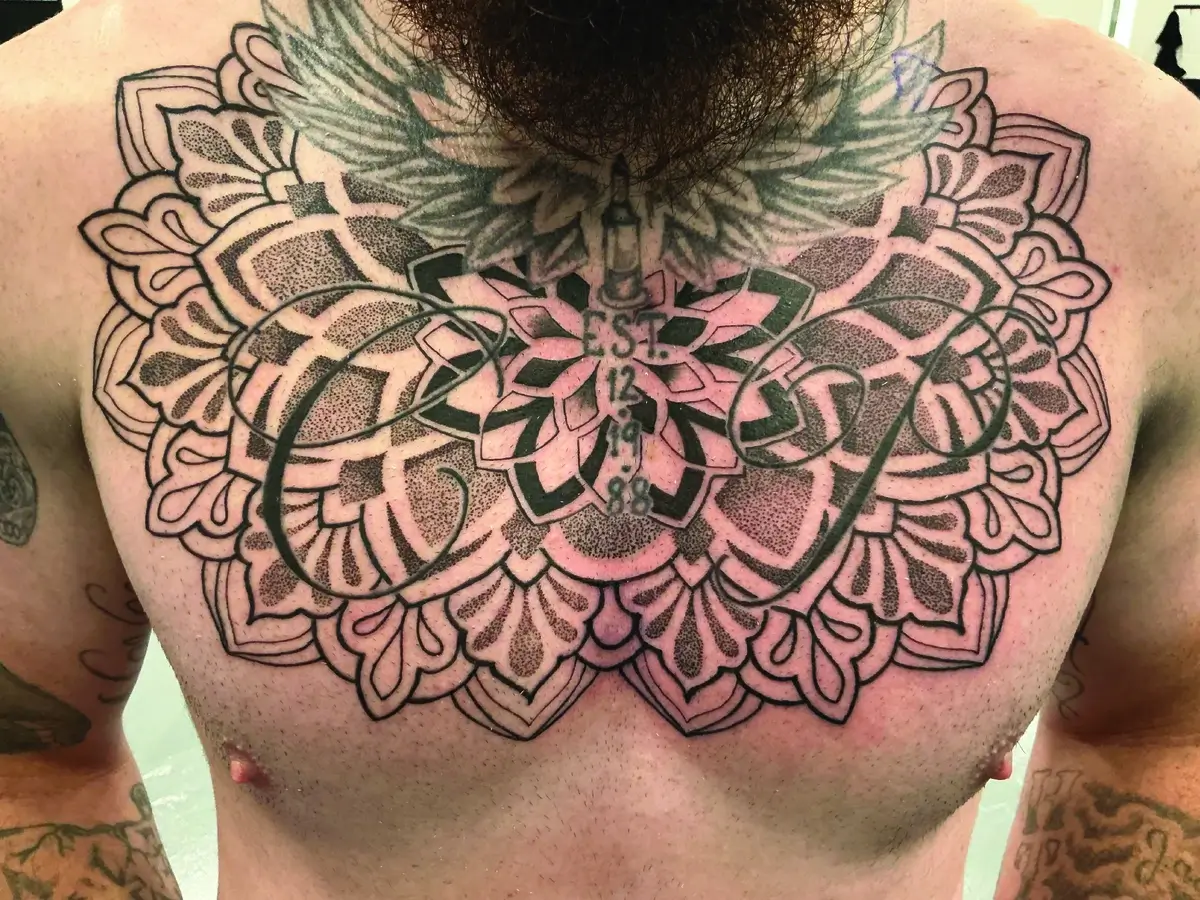
Once they pass the two 12-week programs, students move to the Junior Tattoo Apprentice program. “During this year-long phase, their work is rigorously graded on safety, line weight, consistency, shading, and overall customer service, as well as station cleanliness and setup,” Normile explained. “The teacher and I conduct weekly reviews, openly discussing strengths and areas for improvement. There are four formal marking periods to assess progress and determine advancement.”
Graduates of the apprentice program receive a Professional Tattoo Artist Certification. Delaware Governor Matt Myer has recognized the JTVCC Tattoo Artist Career Pathway Program as a workforce development program, legitimizing the program’s impact.
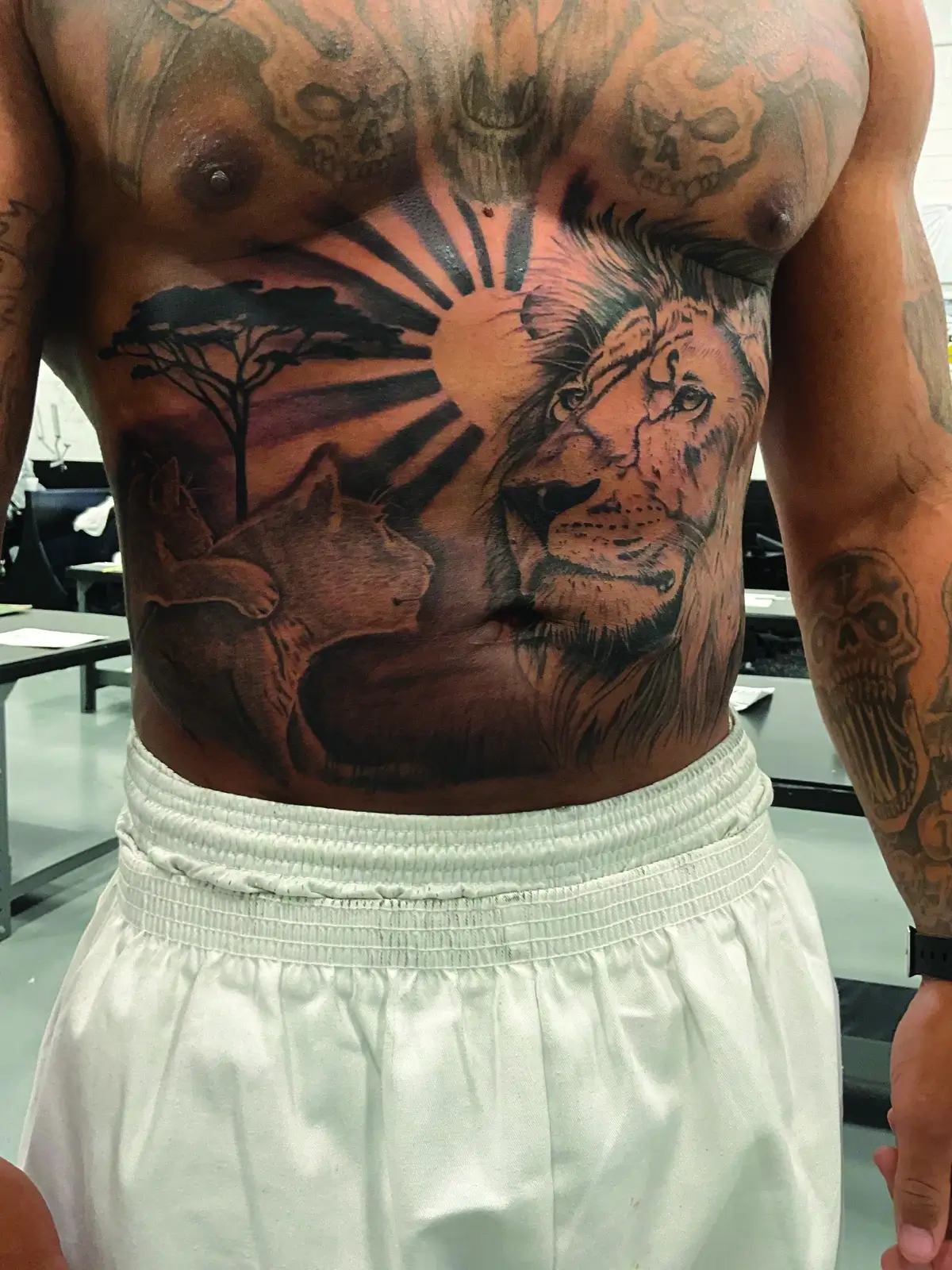
A Career from the Inside Out
The JTVCC is Delaware’s largest prison, and it houses most of the state’s long-term male inmates, which is why its work-training programs are so valuable — inmates have the time for robust job-training instruction. Program organizers consider the nuances of job placement when inmates are released, such as whether they are permitted to drive a work vehicle or if their conviction, such as theft or gun charges, could prohibit their employment.
To avoid these obstacles, the prison has developed programs such as mechanics, barber training, woodworking, and tattoo artistry. “This is a workforce development program — really, all of this prison, pretty much — because anything in here is a job on the streets,” Normile said, adding, “They’re committed to rehabilitation and reentry.”
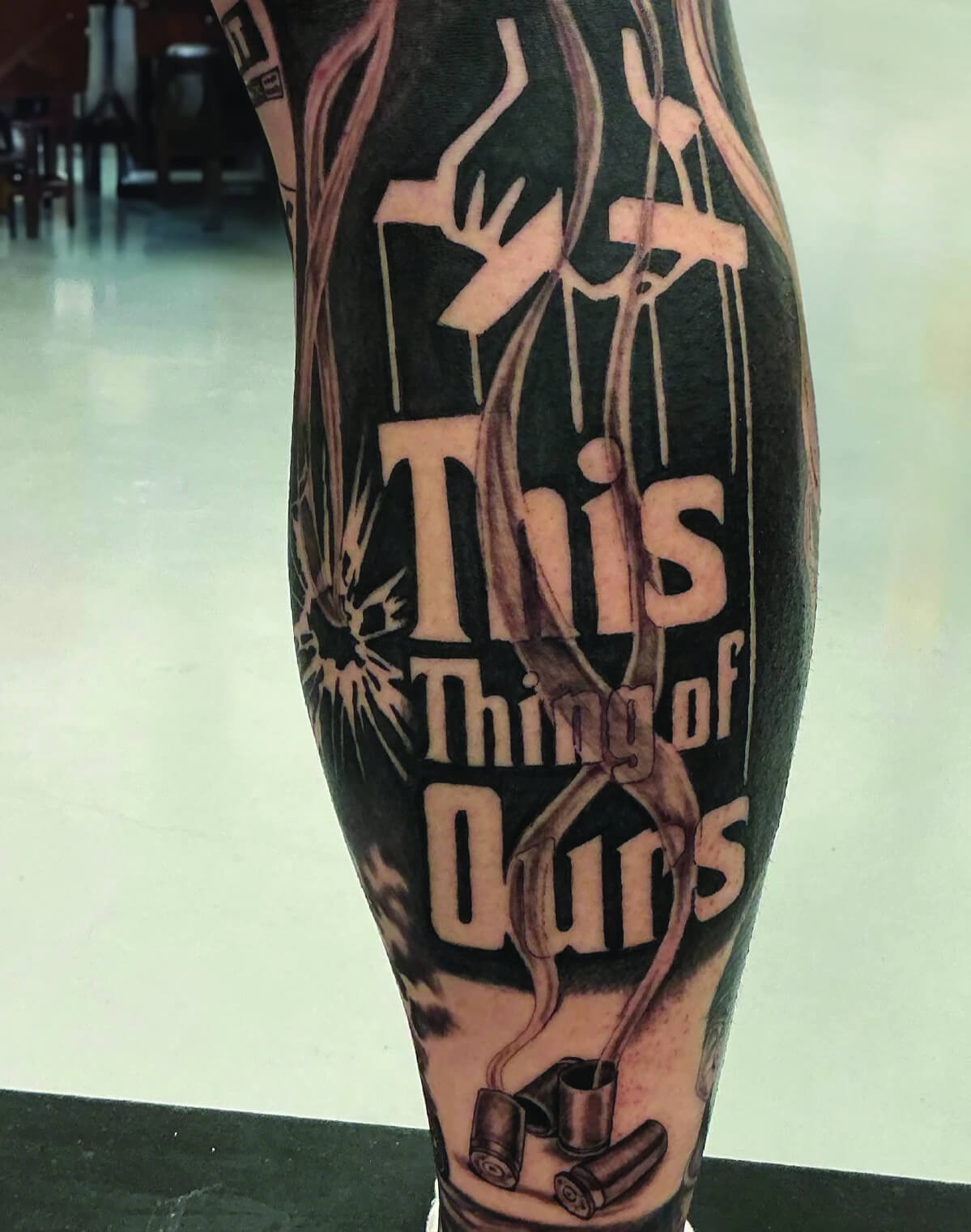
The U.S. Department of Justice’s Roadmap to Reentry follows five principles to reduce recidivism, emphasizing that “reentry begins on Day One.” The principles range from tailored reentry plans to addressing the inmate’s crimes, such as substance abuse, mental health, and life skills; strengthening family relationships; assisting with housing placement upon reentry; and offering guidance for newly released individuals.
Because it is a working prison, students of the JVTCC tattooing program charge inmate clientele for their services, who use their commissary money to get inked. “The goal with it is for each of them to have at least $30,000 in their savings account, so that way when they get out, they can have a car, a house, maybe get it furnished, and some clothing, and be able to start their career in the world of tattooing,” Normile explained, adding, “I give a hundred percent job placement guarantee.”
Supporting the Cause
Word is catching on about the benefits of prison tattooing programs, with Delaware, Missouri, and Minnesota leading the way. With proper publicity, programs like the JVTCC Tattoo Artist Career Pathway Program could materialize nationwide, offering correctional centers rehabilitation opportunities to help safely release inmates back to society, equipped with a slew of proficiencies.
To promote the JTVCC program and educate its inmates, Normile invites industry artists and business executives to speak and teach proper business practices, such as Pennsylvania-based State Street Tattoo artist B.J. Betts, music and television producer Mike Amoia, and Dan Price of The Lab Tattoo in Delaware.
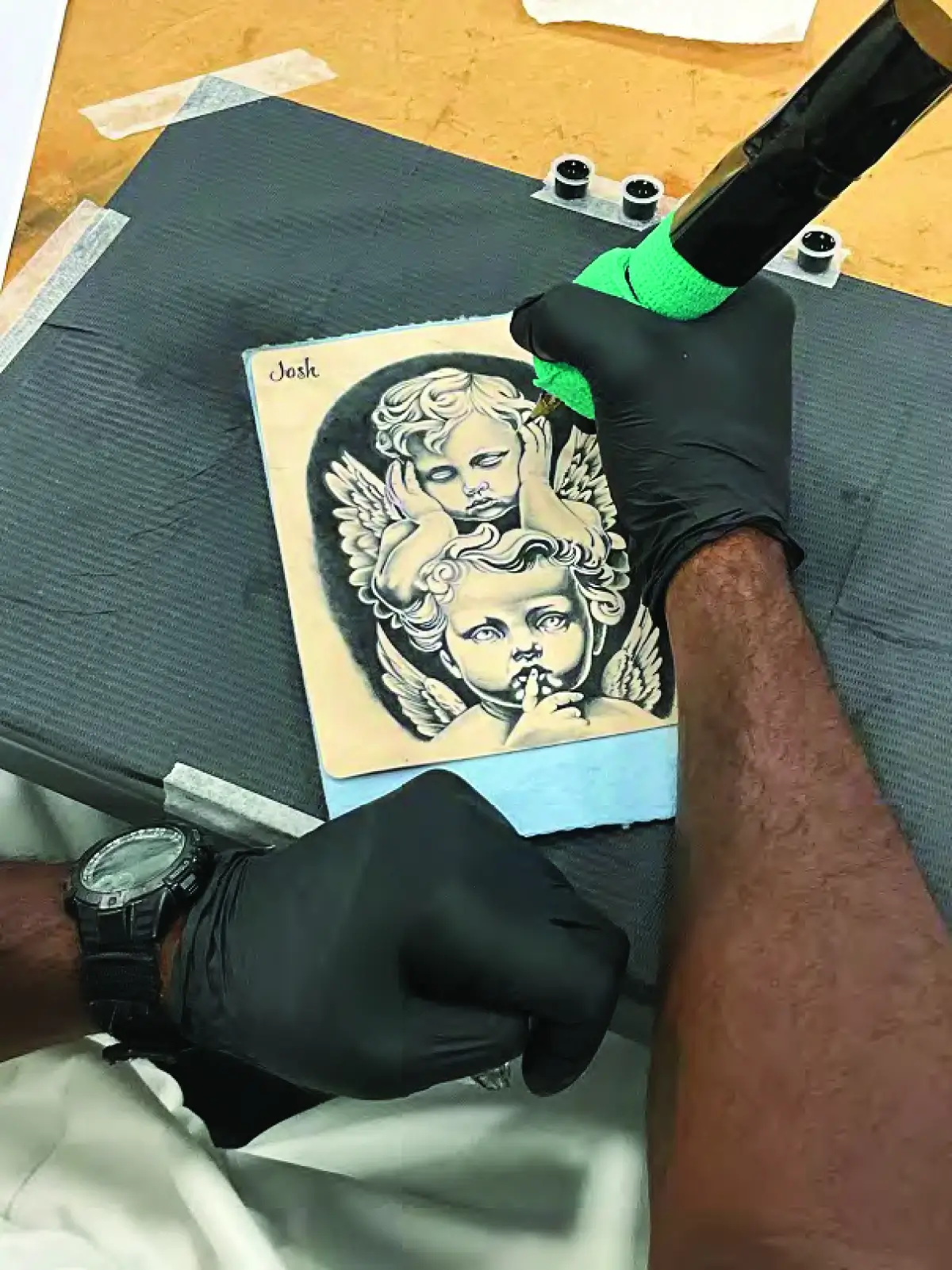
“(Price) has done a couple of live seminars, and we record while they tattoo. He shows the whole process from the start of the design process all the way to the finishing of the tattoo, down to the aftercare of the tattoo once it’s done,” Normile said.
Normile emphasized the importance of second chances. “Most of these guys were locked up when they were kids,” he said, noting that these adolescents learn how to become adults in a prison setting. “They now see a future, when before it was like they see it, but they never really believed it 100% because (until now) neither did I.”
“With the tattoo reentry program, I have the opportunity to learn from some of the best tattoo artists in the industry,” said 2025 inmate graduate Joshua Lucas. “I feel like my potential as an artist is endless, and I’m always learning new techniques to take my work to the next level. This program should be available in every prison.”
Rallying for Rehabilitation
Larry Normile is looking for more artists and business professionals for speaking engagements and instructional opportunities. These are ways to support our correctional facilities’ rehabilitation efforts, the surrounding communities, and the inmates who work diligently to reenter society.
The impact of the JTVCC Tattoo Artist Career Pathway Program is meaningful. “I went from feelings of regret because of bad decisions I made in the past, to now looking forward to the potential I have and the decisions I’ll make in the future,” said 2025 inmate graduate Andre Peters. In a similar vein, 2025 graduate Jason Grzybowski, Sr., said, “I feel confident that I can be productive for the rest of my life with the trade of doing tattoos.”
The program offers inmates the chance to prove they can be contributing members of society. “It’s an amazing feeling to be looked at as someone with a purpose in life other than a criminal,” said 2025 inmate graduate Sam Coppola, who is scheduled to be released in 2026. “If anyone ever tells you, ‘You can’t be rehabilitated,’ this program will prove them wrong. It’s literally life changing. Hats off to Larry Normile and the Delaware Department of Correction.”
Interested tattoo artists and business professionals can email Normile at Lawrence.Normile@delaware.gov.
Editor's Picks

Wiz Khalifa: The Echoes of Wisdom
Two decades into his career, Wiz Khalifa is finding new ways to grow without losing himself.
It’s Shnow Season!
Buffalo Bills’ Dion Dawkins has an appetite for a colorful life and for amassing tattoos.

More From Culture
What Happens When Military Standards Meet Tattoo Aftercare
October 20, 2026
Steel to Sole
October 19, 2026
Breaking the (Skin) Barriers
October 19, 2026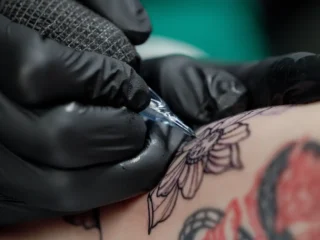
Your Books Got Busy. Your Software Didn’t.
October 19, 2026