“ONE OF ONE”
Where tattoo culture, fashion, and cinema collide.
There’s a new kind of storytelling emerging — one that doesn’t live in a single medium. It moves between worlds, pulling from identity, culture, and the things we wear and carry with us. It’s less about categories and more about convergence, where art forms overlap and evolve into something entirely new.
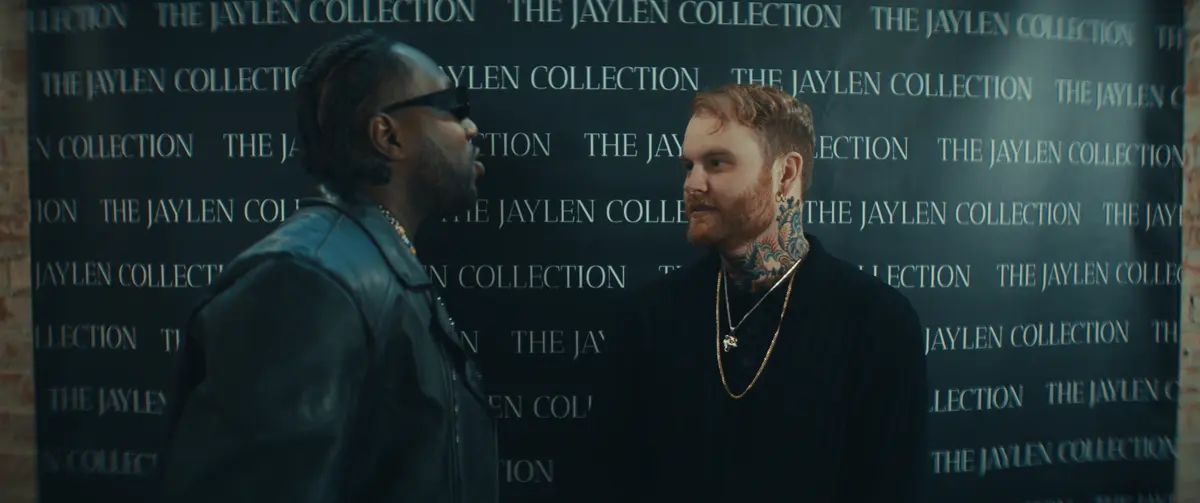
At the center of that shift is “One of One,” a psychological thriller short film written and directed by Daniel McCartney under his creative studio, DUTCH BOY HOUSE, with executive producer Baron Bodnar.
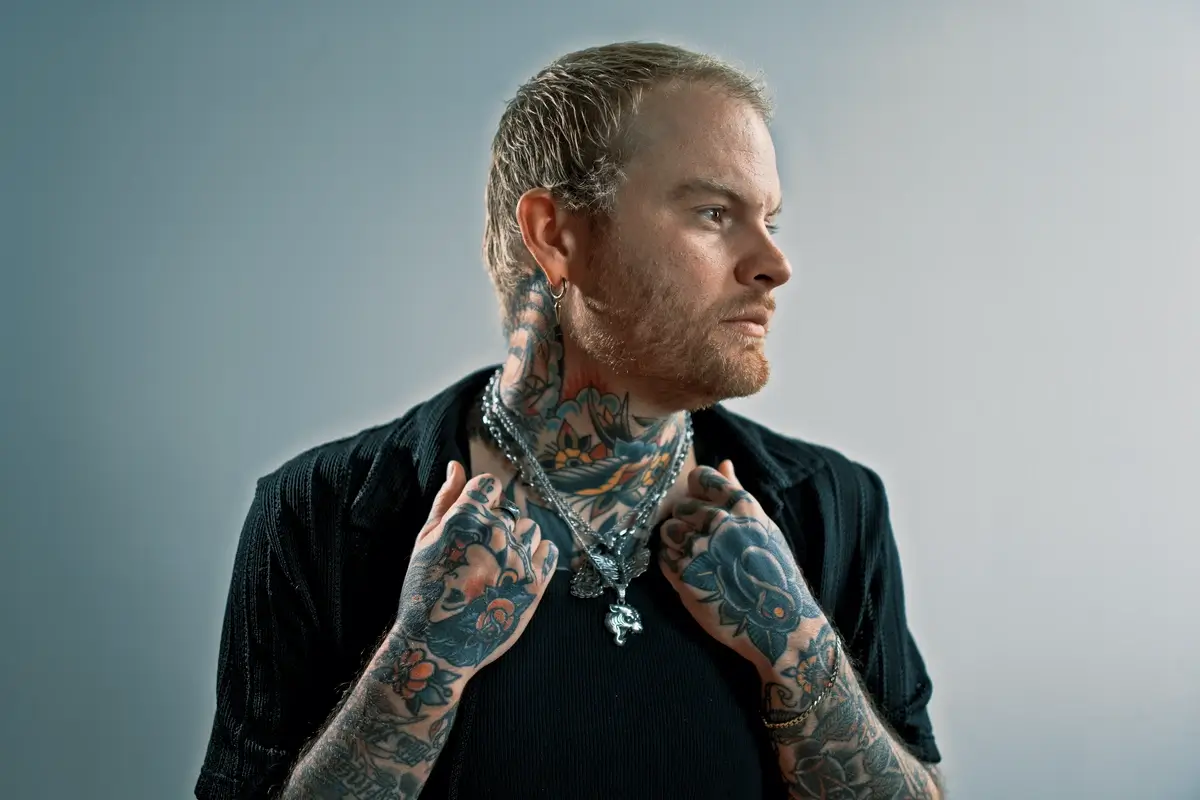
Built through Dutch Boy Cinema, the film exists at the intersection of tattoo culture, fashion, and cinema, not as separate influences, but as a unified language. Each element informs the other, creating a visual and emotional experience that feels layered, intentional, and deeply personal.
“Everything we’re doing is about building worlds,” McCartney says. “Not just telling stories but creating something you can feel across different forms.”
That philosophy is what defines DUTCH BOY HOUSE as a whole. It isn’t confined to a single lane but rather moves fluidly between music, film, fashion, and live experiences, all rooted in original creative IP. “One of One” becomes a proof of concept for that vision: a project in which those worlds don’t just coexist but actively shape each other.
Fame and Friction
At its core, “One of One” is a story about visibility — and what it costs. The film follows Milo “Miles” Williams, played by McCartney, a rising but troubled fashion designer who meets a mysterious woman named Vee, who pushes him to turn pain into power. What began as inspiration quickly evolves into something more complex and more dangerous.
When Miles names a clothing drop after his best friend Jaylen, the release explodes overnight, propelling him into a new level of recognition. But that success is immediately overshadowed by tragedy when Jaylen dies after a night of partying, sending Miles into a spiral of guilt, addiction, and paranoia.
As Miles’ fame grows, so does Vee’s influence, becoming darker, more controlling, and increasingly more difficult to separate from his own ambition. What once felt like creative direction begins to feel like possession, blurring the line between self-expression and self-destruction.
Haunted by grief and driven by the pressure to capitalize on it, Miles ultimately loses himself to the very force that made him visible — becoming another chapter in Vee’s ongoing pursuit of greatness. A reminder that legacy, more often than not, comes at a cost.
What separates “One of One” from a traditional short film isn’t just its narrative. It’s how that narrative is expressed. Fashion is character, not just wardrobe. Tattoo culture is language, not just reference. Cinema becomes the space where all of it collides and evolves.
Ink Reimagined
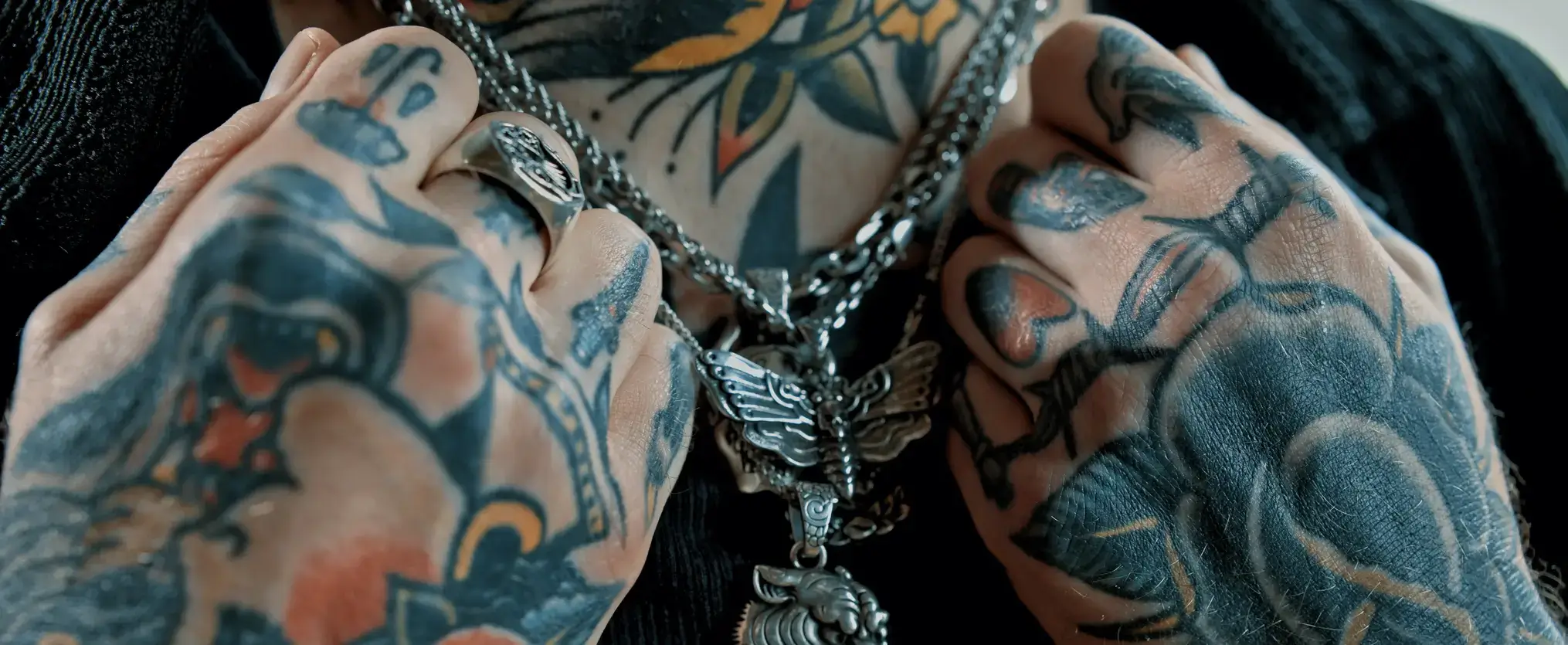
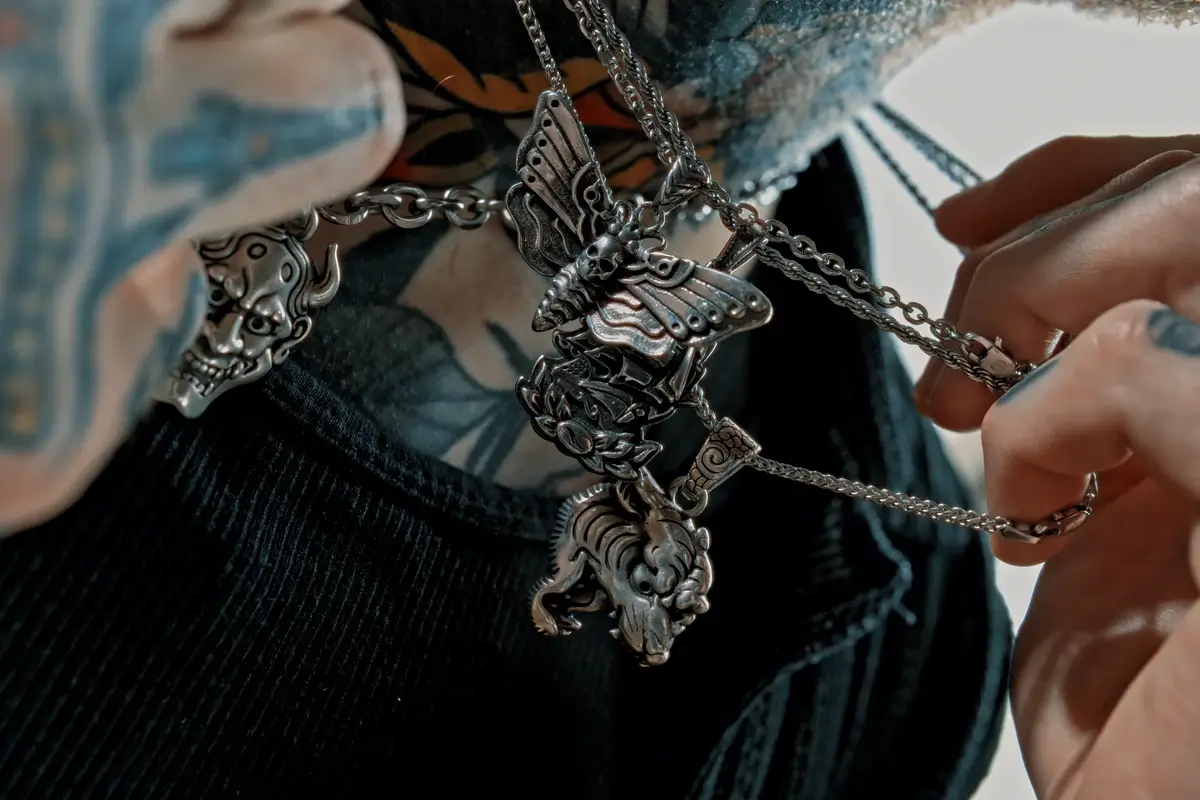
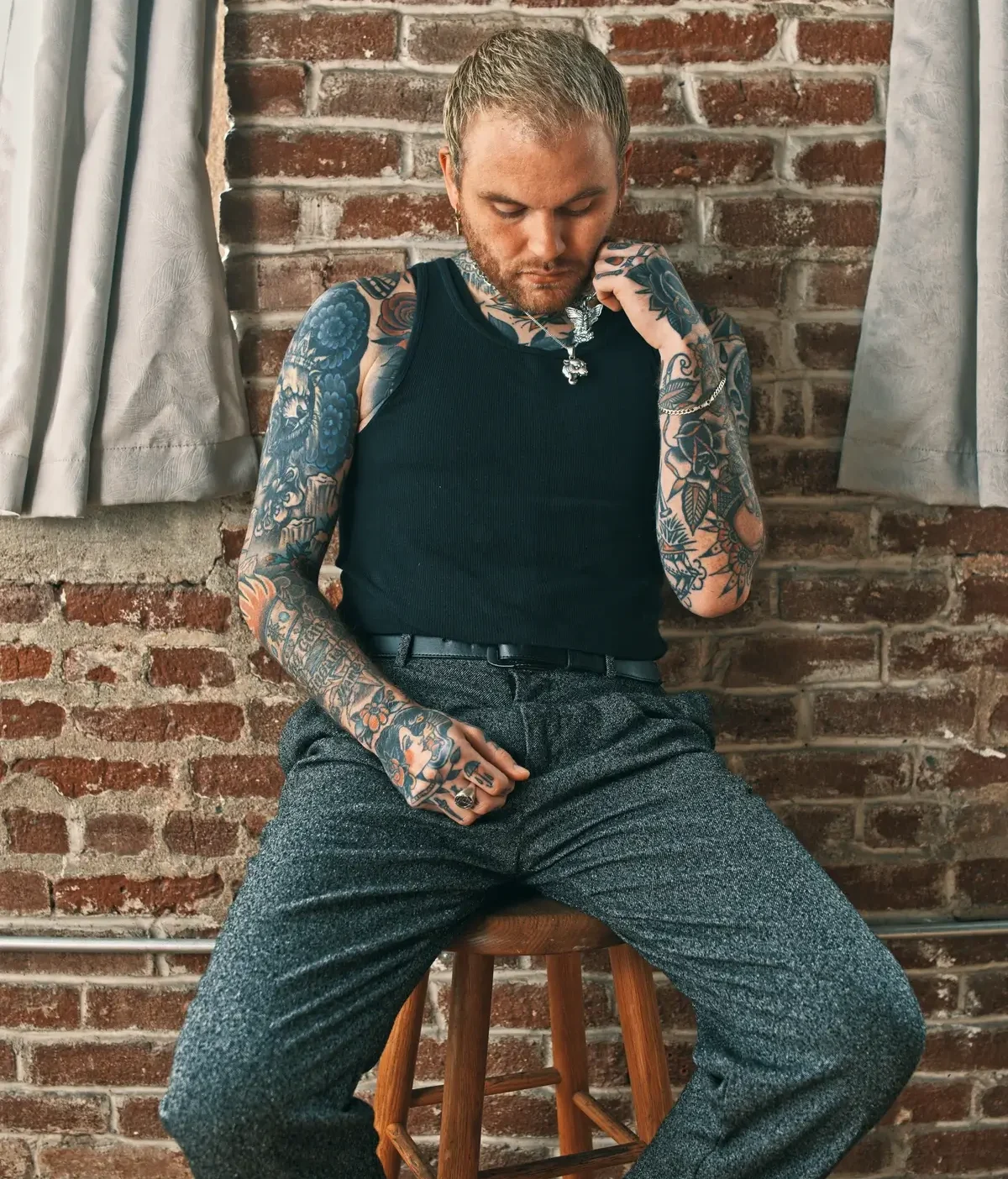
The film’s visual identity leans heavily into symbolism, where what a character wears carries as much weight as what they say. This is where the collaboration with Tebori becomes essential.
Known for translating tattoo culture into finely crafted jewelry, Tebori approaches design with the same mindset as tattooing itself: permanence, intention, and storytelling. Tebori’s pieces don’t just exist as accessories. They hold meaning, reflecting identity in a way that feels both personal and timeless.
“I have a deep respect for tattoo culture and try to represent that through my brand. I collaborate with tattoo artists for my designs and try to make jewelry as timeless as tattoos themselves,” explains Aaron Peterson, founder of Tebori jewelry. “I honestly just make pieces that I would personally wear. I start with a good tattoo design from an artist and try to picture what it would look like if I was wearing it. I go back and forth with the tattoo artist to see what’s in their head as well.”
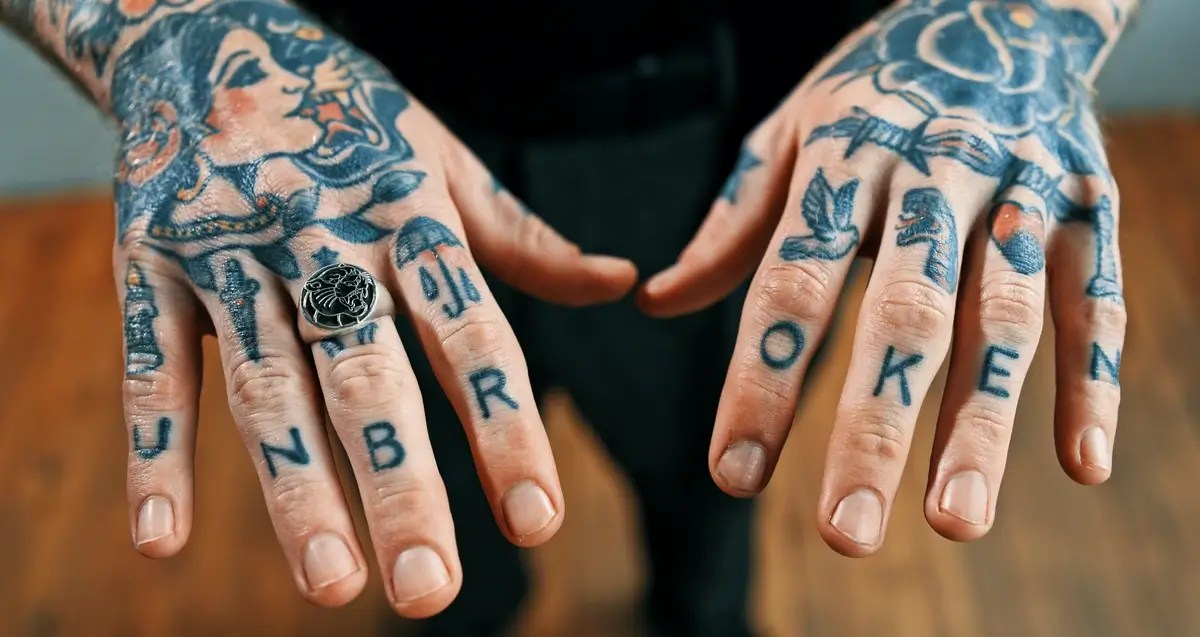
The collaboration for the film itself came together organically. McCartney was introduced to Tebori through his longtime friend and tattoo artist Jacob Doney of Envision Tattoo in California, after Doney had previously collaborated with the brand.
“We hit it off immediately,” McCartney says. “I’m just a massive fan of what they’re doing. It felt natural from the start.” That shared perspective made the partnership feel less like a collaboration and more like alignment — two creative worlds already speaking the same language.
McCartney, who also composed and performed the music in “One of One” alongside musician JordyPurp and producer Zach Jones, sees the project as something larger than a single film. “I wanted this project to show the versatility of DUTCH BOY HOUSE,” he says. “We’re involved in music, cinema, fashion, tattoo culture, concert IP — at the core of all of it is original creative production. This film is where all of those worlds meet.”
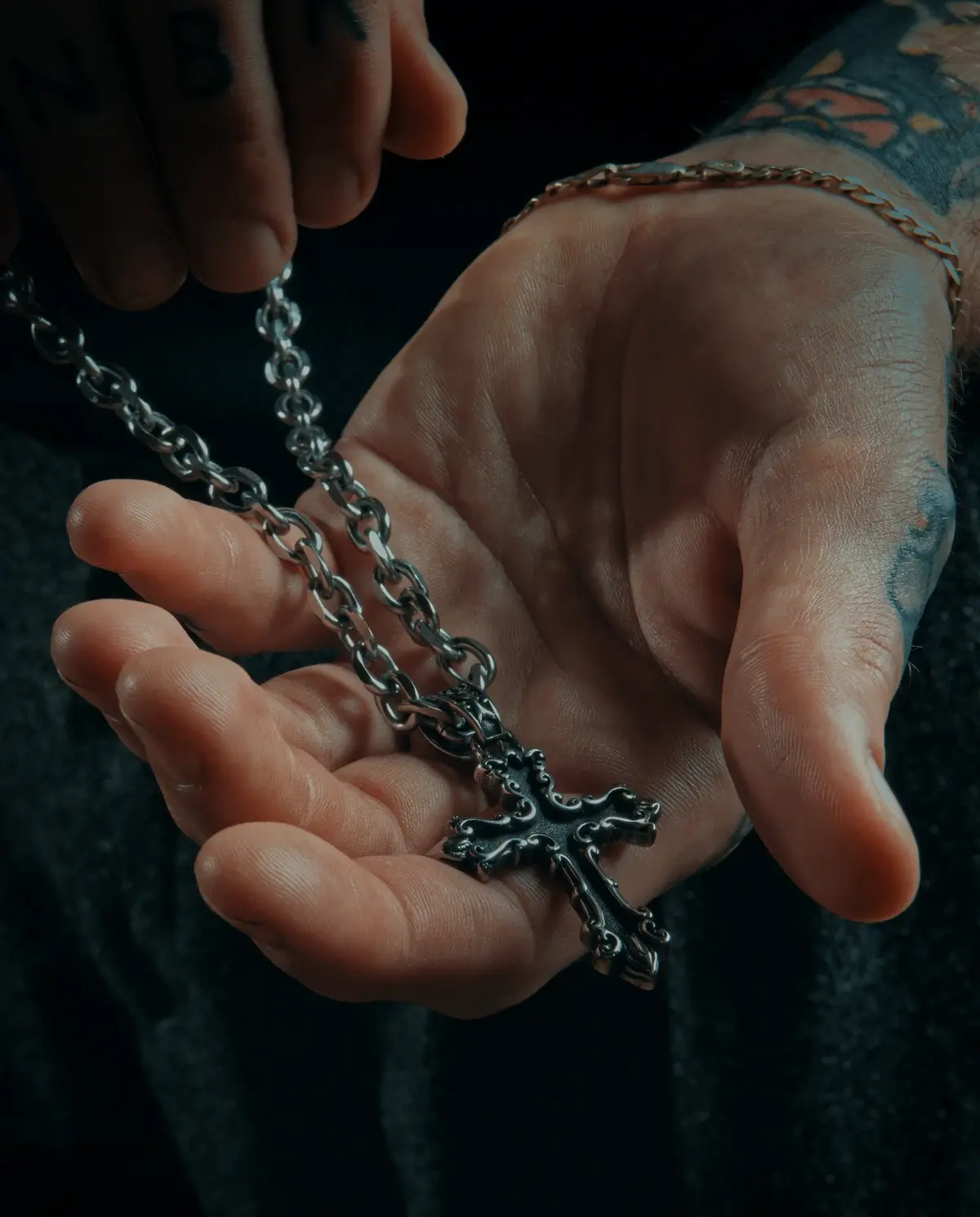
“One of One” doesn’t feel like a film borrowing from culture but instead like culture expressing itself through film. “Tattoo culture has always been about storytelling and expression,” McCartney adds. “It’s about marking a moment, a feeling, a version of yourself. That’s exactly what this film is doing, just through a different medium.”
Before becoming part of “One of One,” Tebori had already established itself as a brand rooted in depth and intention. “As someone who spent my entire adult life spending all my money on tattoos and jewelry, I never found anything that brought those two worlds together,” Peterson says of the inspiration behind Tebori.
“Just as a tattoo can have different and unique meanings for each person, so do our pieces,” Peterson continues. “Each piece of jewelry has its own meaning unique to your own story. These pieces are built to last as long as tattoos themselves — the only tattoos that can be passed on for generations.”
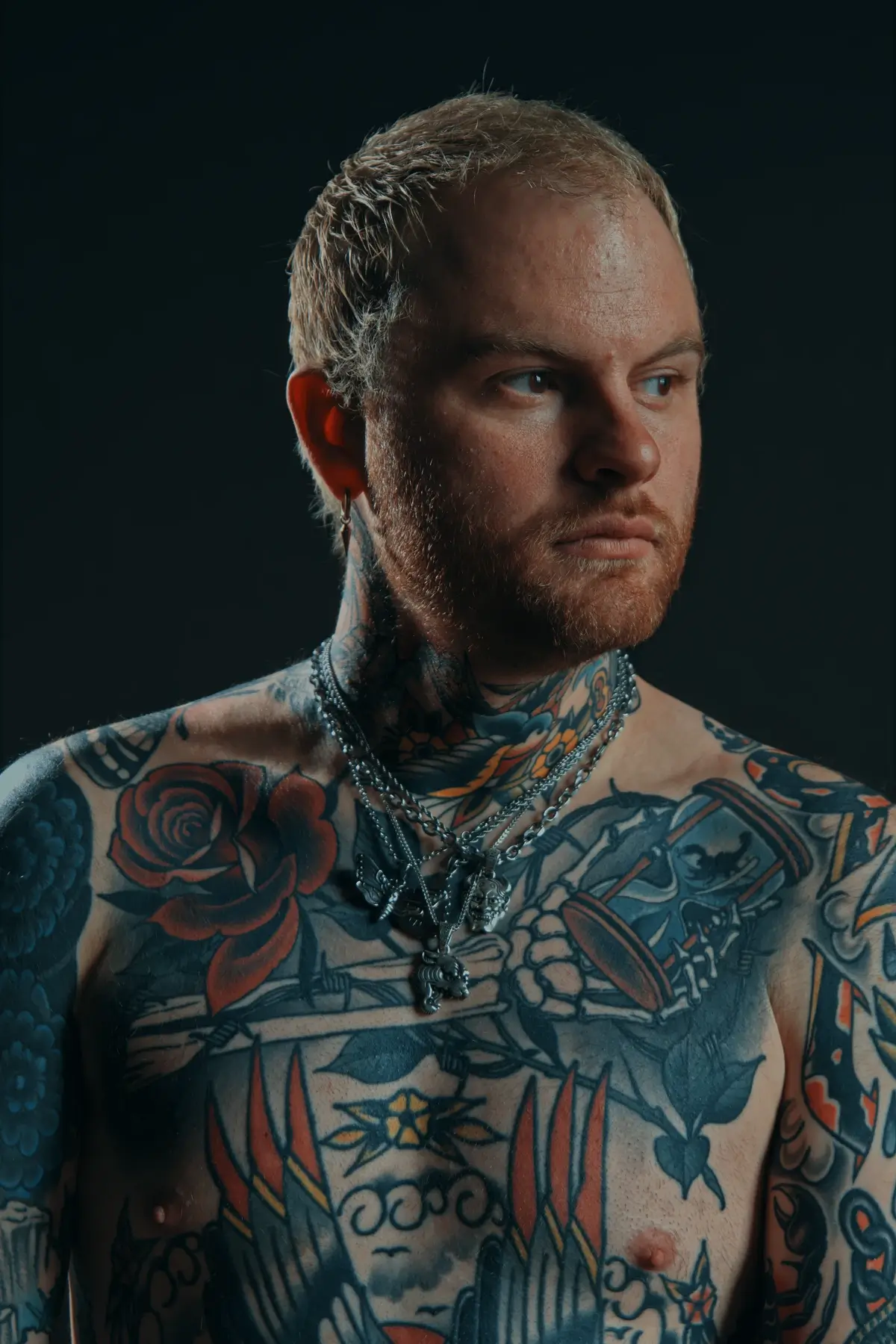
Drawing from the traditions of tattoo artistry, Tebori translates the symbolism and permanence of ink into jewelry that carries meaning beyond aesthetics. Each piece reflects a philosophy centered around identity, transformation, and personal narrative.
“Collaborating with Tebori on this movie allowed me to integrate tattoo culture into the storytelling. For me, tattoos have always been a form of expression and language, which is tied deeply into the identity of the film,” McCartney says.
Echoing McCartney’s sentiments, Peterson says, “Tebori is built on tattoo culture. I would love to continue to grow and expand into more films. As long as it keeps true to the culture and is authentic.”
The collaboration with DUTCH BOY HOUSE emerged from a shared belief that culture isn’t fixed. It evolves. It overlaps. And when those intersections are approached with intention, they create something entirely new.
Experience “One of One”
With its layered approach to storytelling and design, “One of One” isn’t just meant to be watched, but experienced. The film will screen in select cities across the United States, offering audiences a chance to engage with the project in a more immersive, communal setting. Each screening acts as an extension of the film’s world, where fashion, culture, and cinema exist in real time.
Details on locations, tickets, and the official trailer can be found through dutchboyhouse.com, where the project continues to live beyond the screen. For those unable to attend in person, “One of One” will be available on demand globally beginning June 12, expanding access while maintaining the film’s distinct identity.
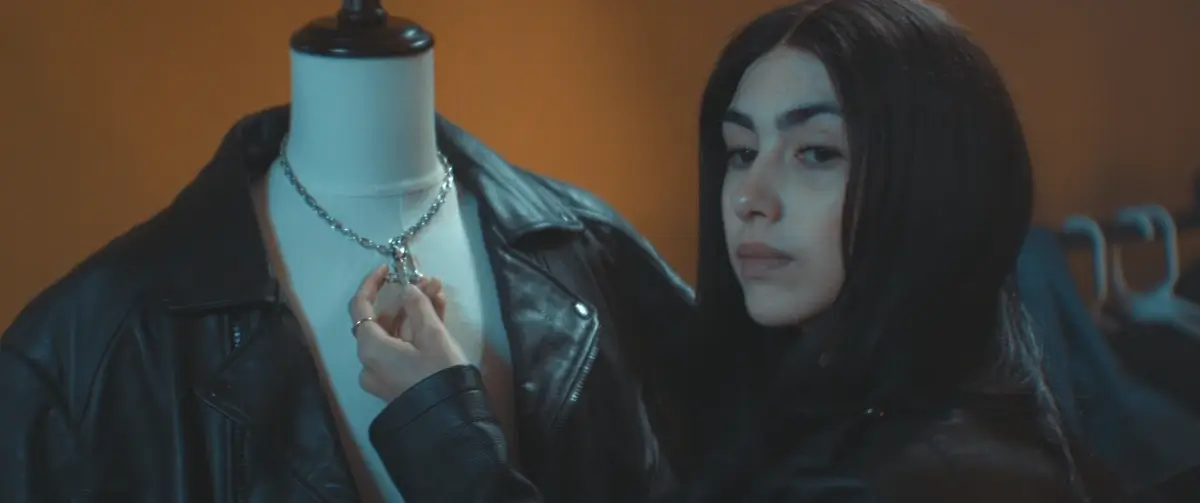
The project’s digital presence continues to unfold as well, offering a deeper look into its world through curated visuals and storytelling on Instagram (@101movie).
This dual release reflects the ethos behind DUTCH BOY HOUSE: creating work that feels intentional, immersive, and, ultimately, one of one.
Editor's Picks
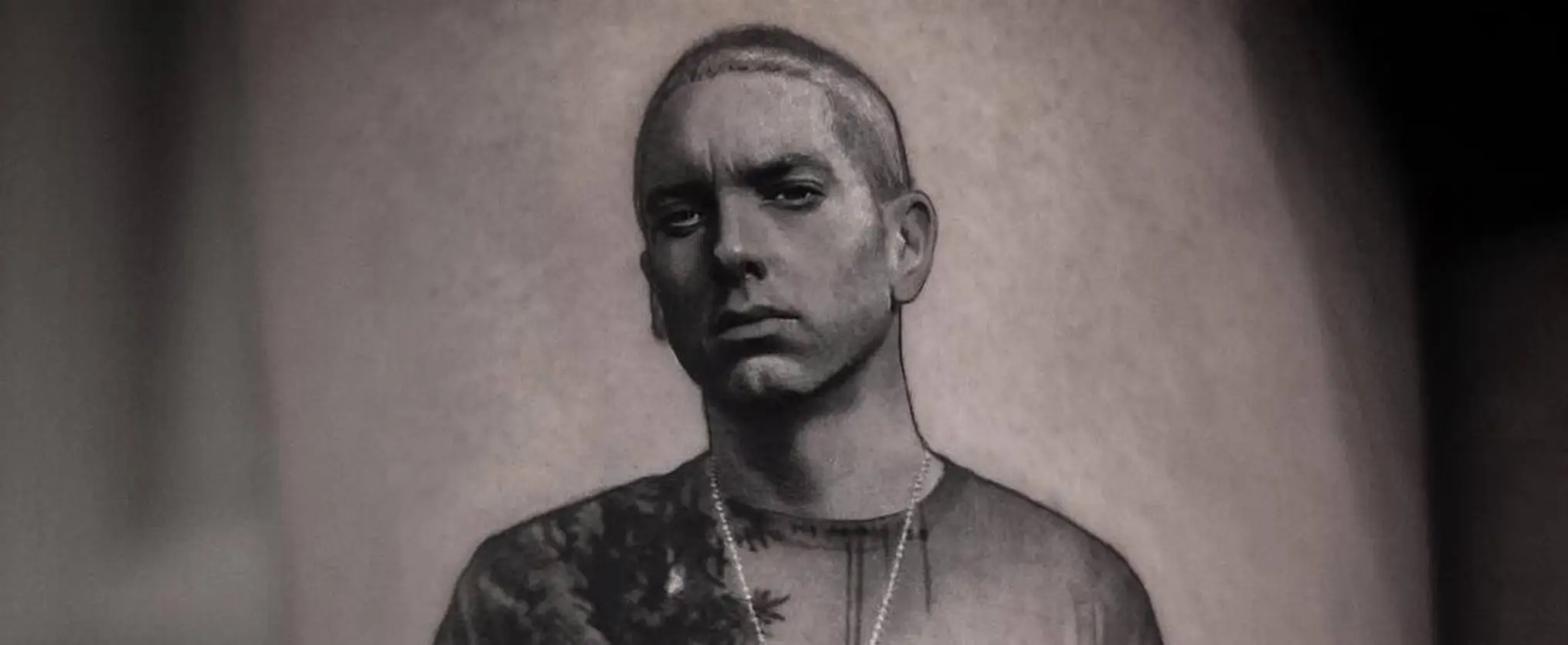
Eminem Tattoos Every Fan Should See
In celebration of Eminem’s birthday, we’re looking at the tattoos fans have dedicated to the rap legend and his lasting legacy.
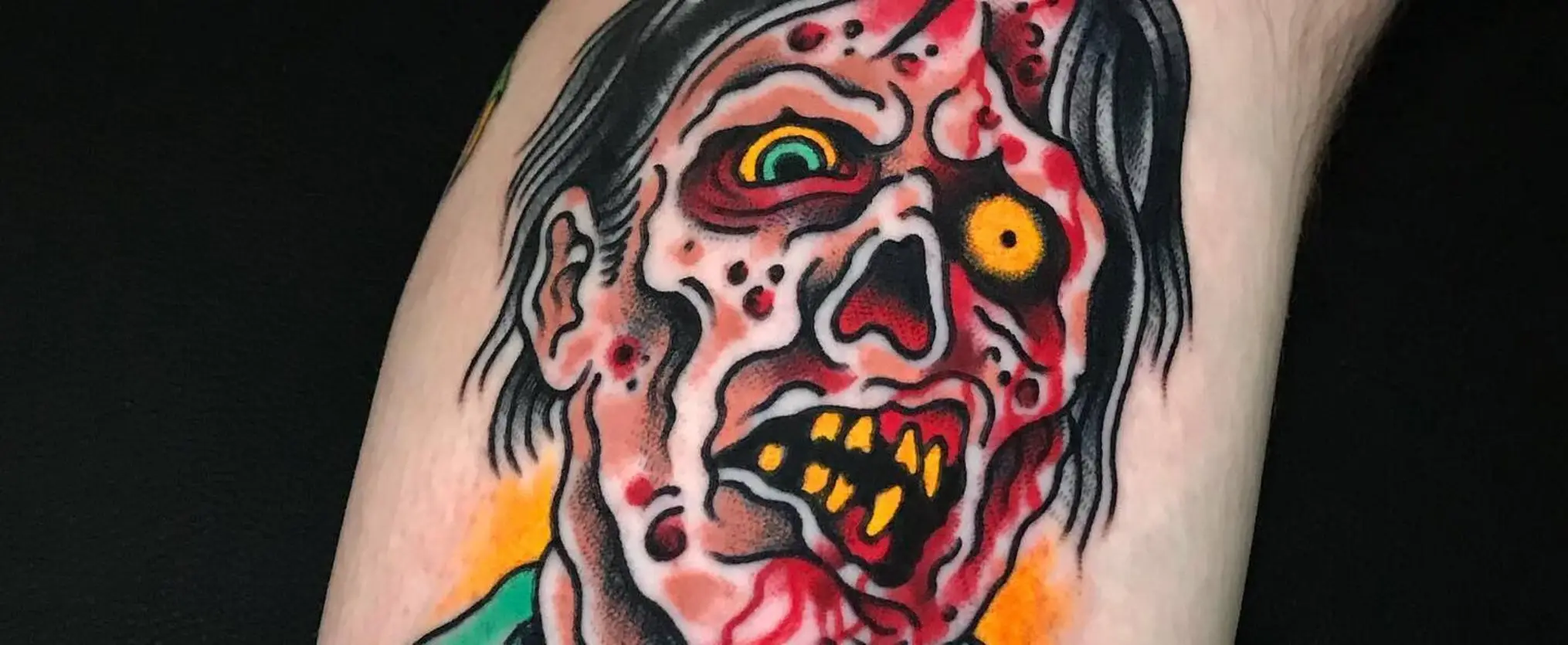
Halloween Essentials to Die For
From haunting pours to killer looks and accessories, these are the picks made for spooky season.
More From Culture
Halloween Essentials to Die For
October 14, 2026
It’s Shnow Season!
October 13, 2026
When the Relationship Ends but the Tattoo Stays
October 7, 2026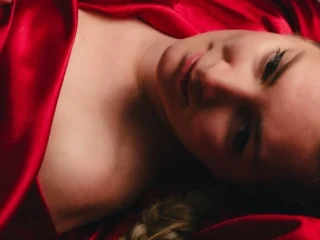
Marina Volk’s Painterly Color Realism Is Made for the Body
October 7, 2026