Nicole Stover
March 4th, 2026
Pursuit of Miracles
Howard Schatz and the unrepeatable Ember.
For 30 years, photographer Howard Schatz has pursued the moment when an image transcends itself. He calls this a miracle. His collection features dancers, athletes, actors, botanicals, submerged forms, and controlled body studies. He photographs what captures his interest, then pushes until something new and unfamiliar emerges.
“I try to make pictures I’ve never seen before,” Schatz says. “I make work that surprises and delights me.”
Schatz moved from San Francisco to New York in 1995 with his wife, Beverly Ornstein, a prominent producer at PBS. The move freed him from commercial pressures and allowed him to explore his personal work without limits. Since then, he has developed a practice rooted in experimentation, consistency, and continuous artistic growth.
The Schatz Method
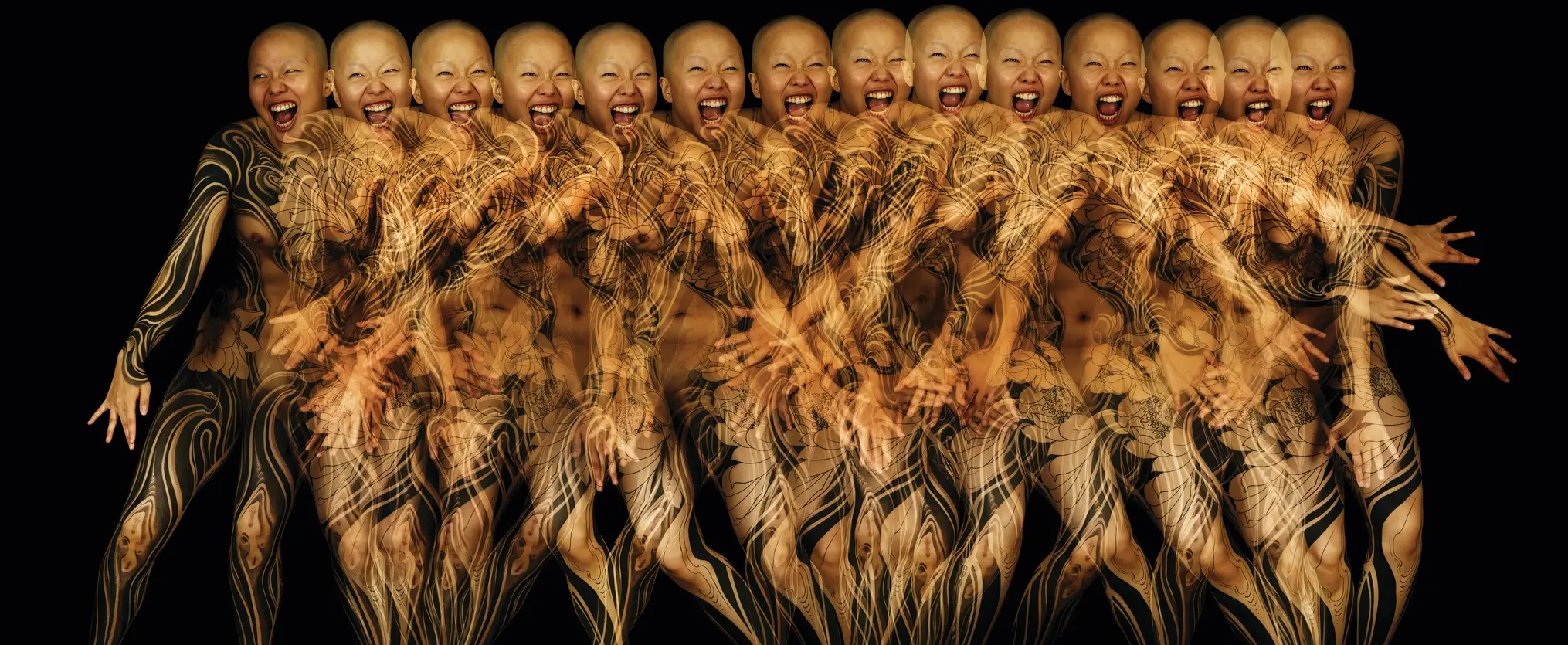
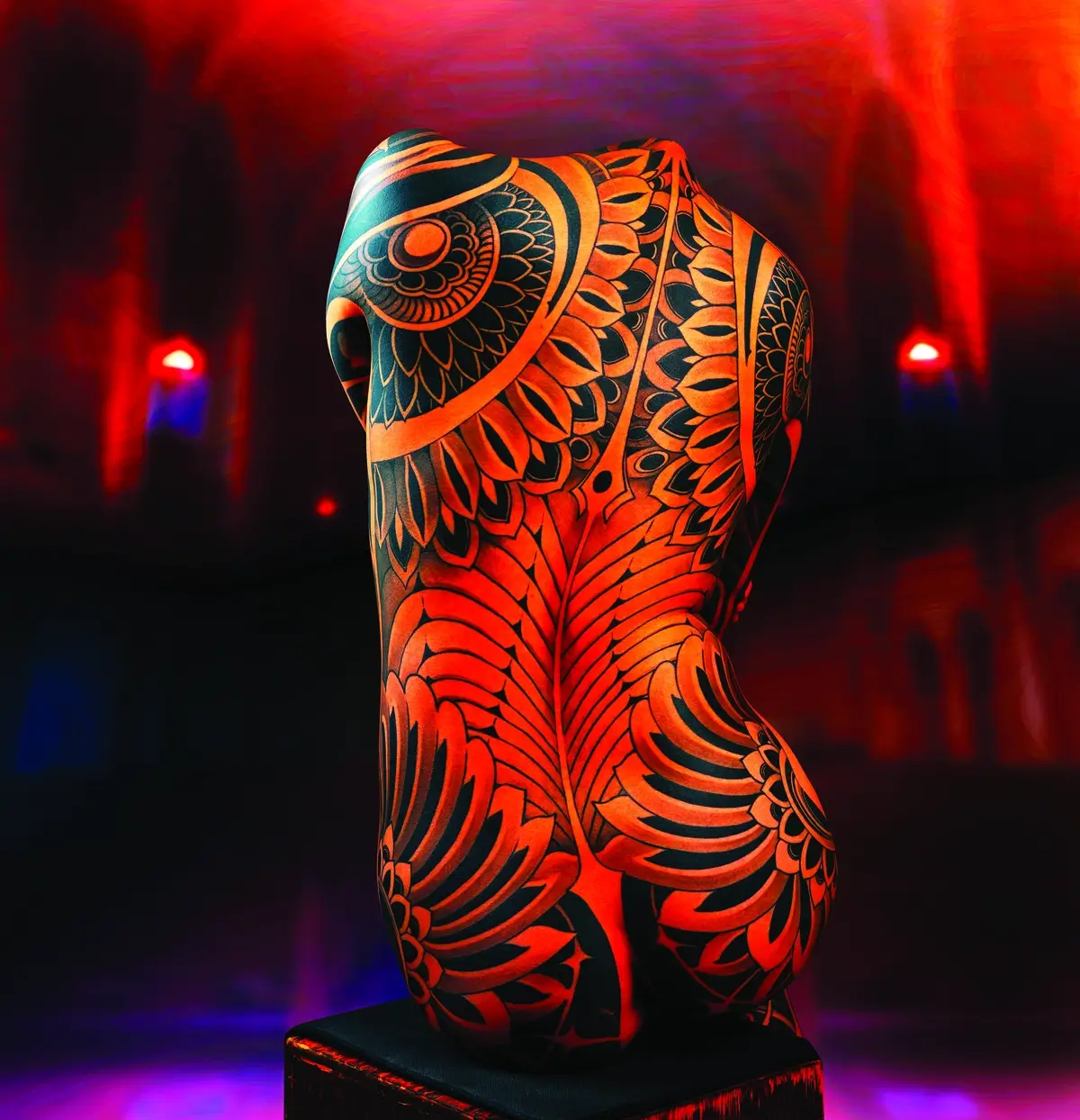
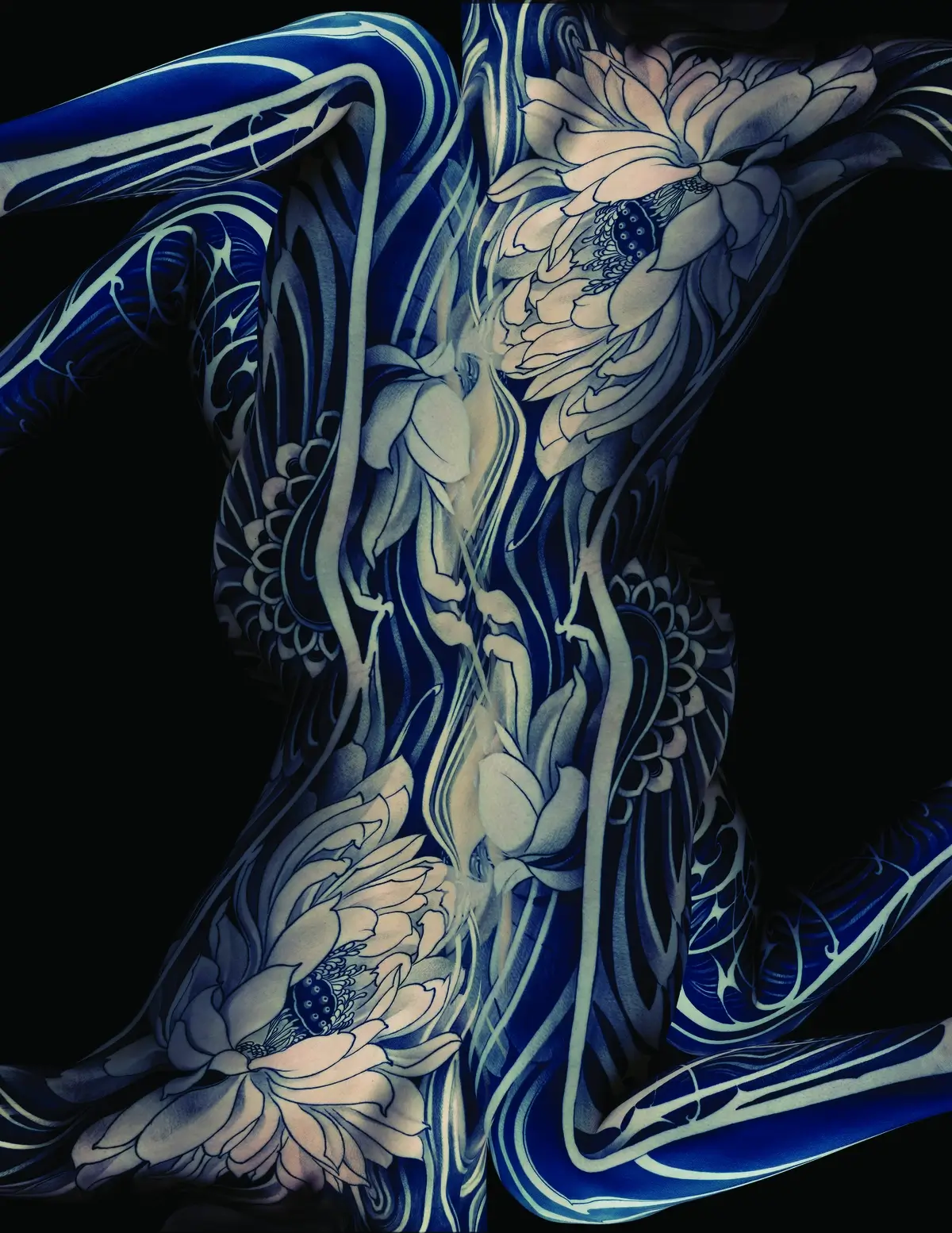
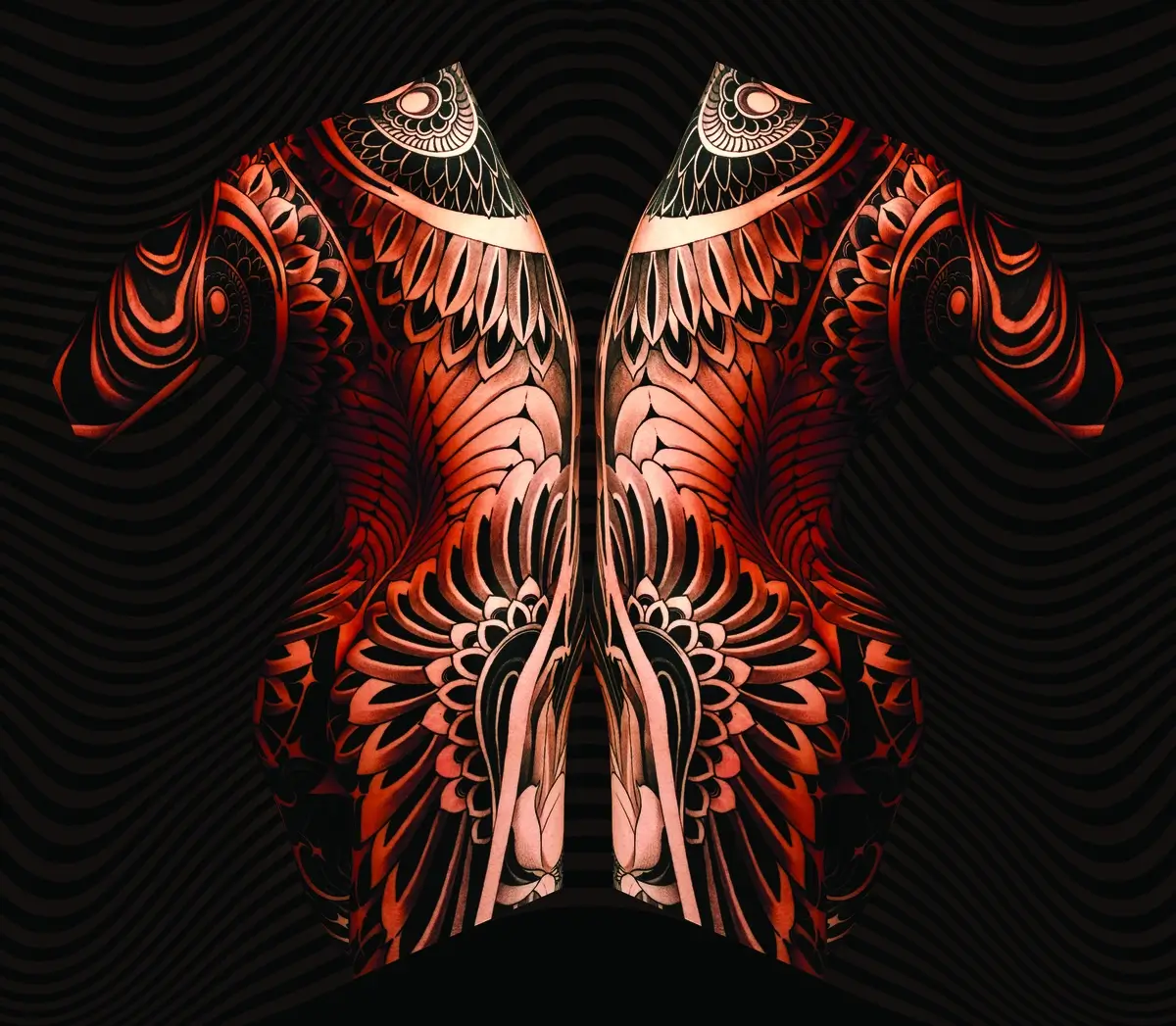
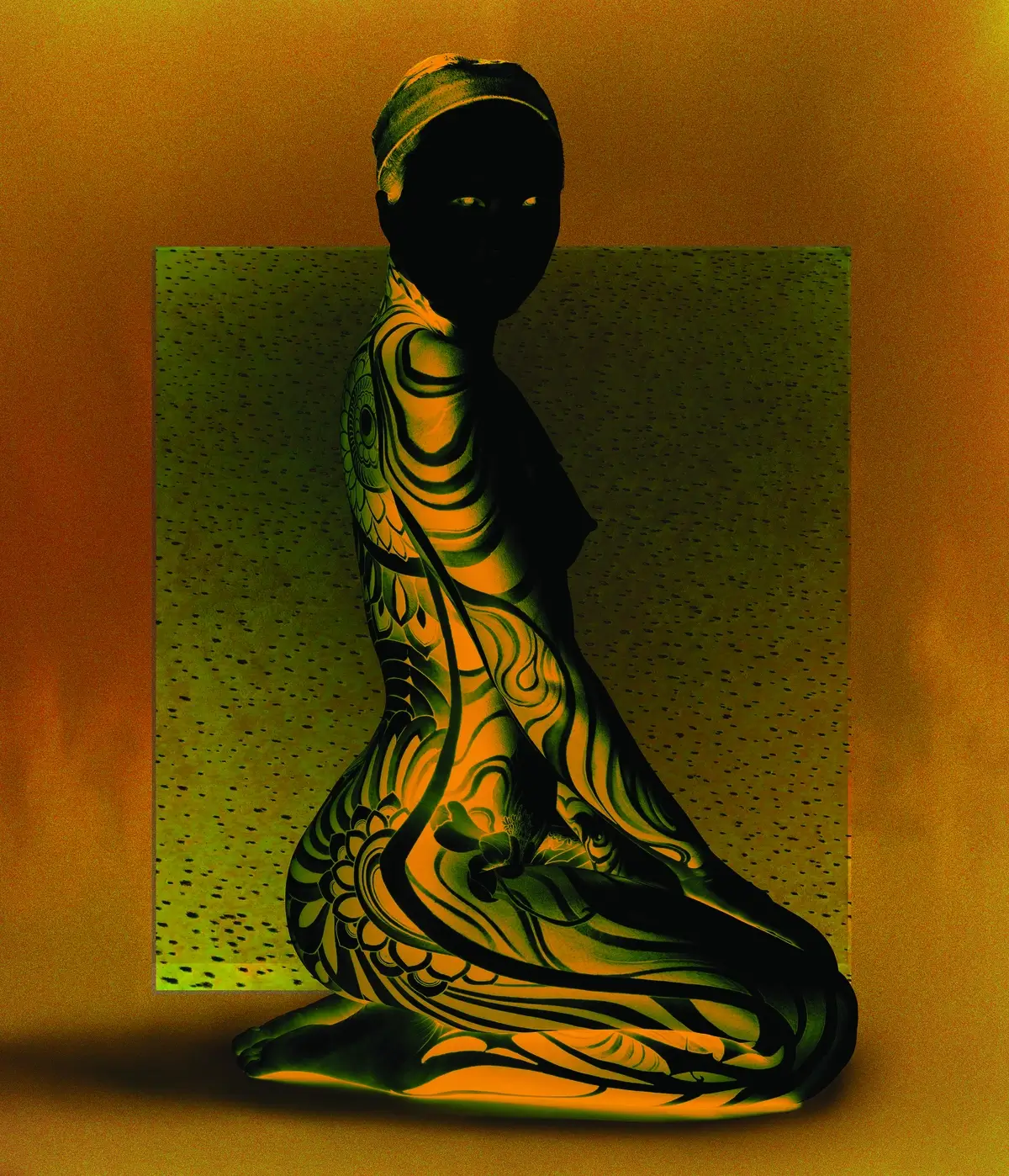
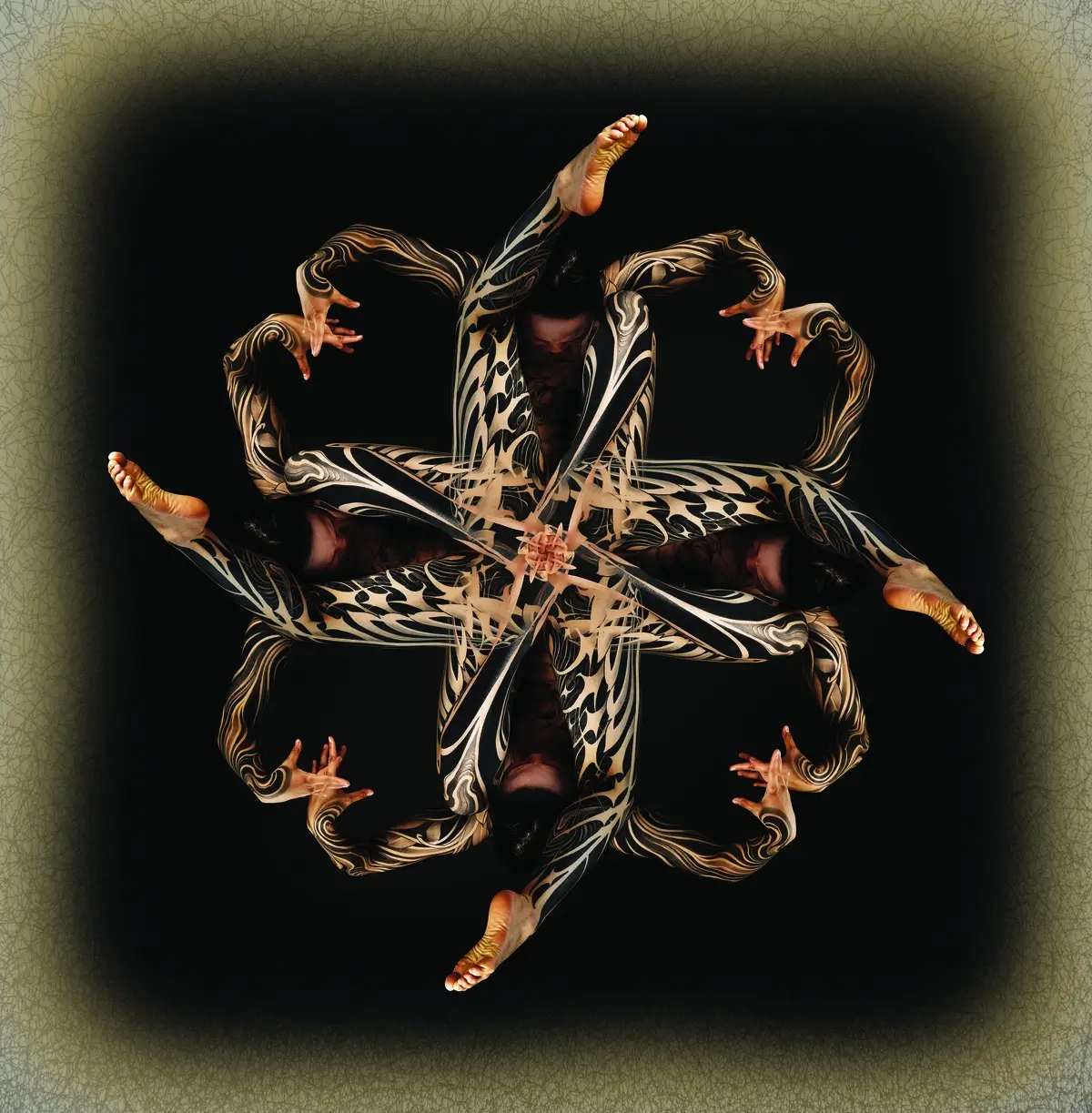
Schatz’s “Ember” series is the clearest example of his talent for discovery. It began when a dancer named Lily introduced him to Ember, a Chinese American woman with a distinctive shaved head. Ember spent years creating a full-body tattoo suit that closely followed her anatomy, moving with her body’s structure. Schatz saw the potential immediately and invited her to New York for a dedicated session.
For an entire day, Schatz photographed her. Some images used strobe and motion, while others highlighted stillness and form. The finished photographs transform Ember into both subject and shape. The tattoos bring her posture to life and strengthen the geometry of every pose. Upon reviewing the results, Schatz recognized the rarity of the collaboration. “Her tattoos were phenomenally well done. Her body is a miracle,” he says.
Schatz has searched tattoo studios across New York for someone with similar visual strength but hasn’t found a match. “I don’t know if we’ll ever find another Ember,” he says. Still, he stays open. He reviews each inquiry, asks for reference photos, and pays close attention when something seems promising.
Schatz’s process leans heavily on revelation. He begins each shoot with a brief list of ideas. He starts with a concept, then adjusts as soon as he notices something that shifts the session’s direction. “Whenever there’s a path, you go down it,” he says. If the path leads nowhere, he returns to his list and moves forward.
This approach guides his planning. Strict outlines restrict discovery. Schatz focuses on possibilities rather than precision. “If you do exactly what you have in mind, you’ll get what you have in mind. But it won’t be a miracle,” he says.
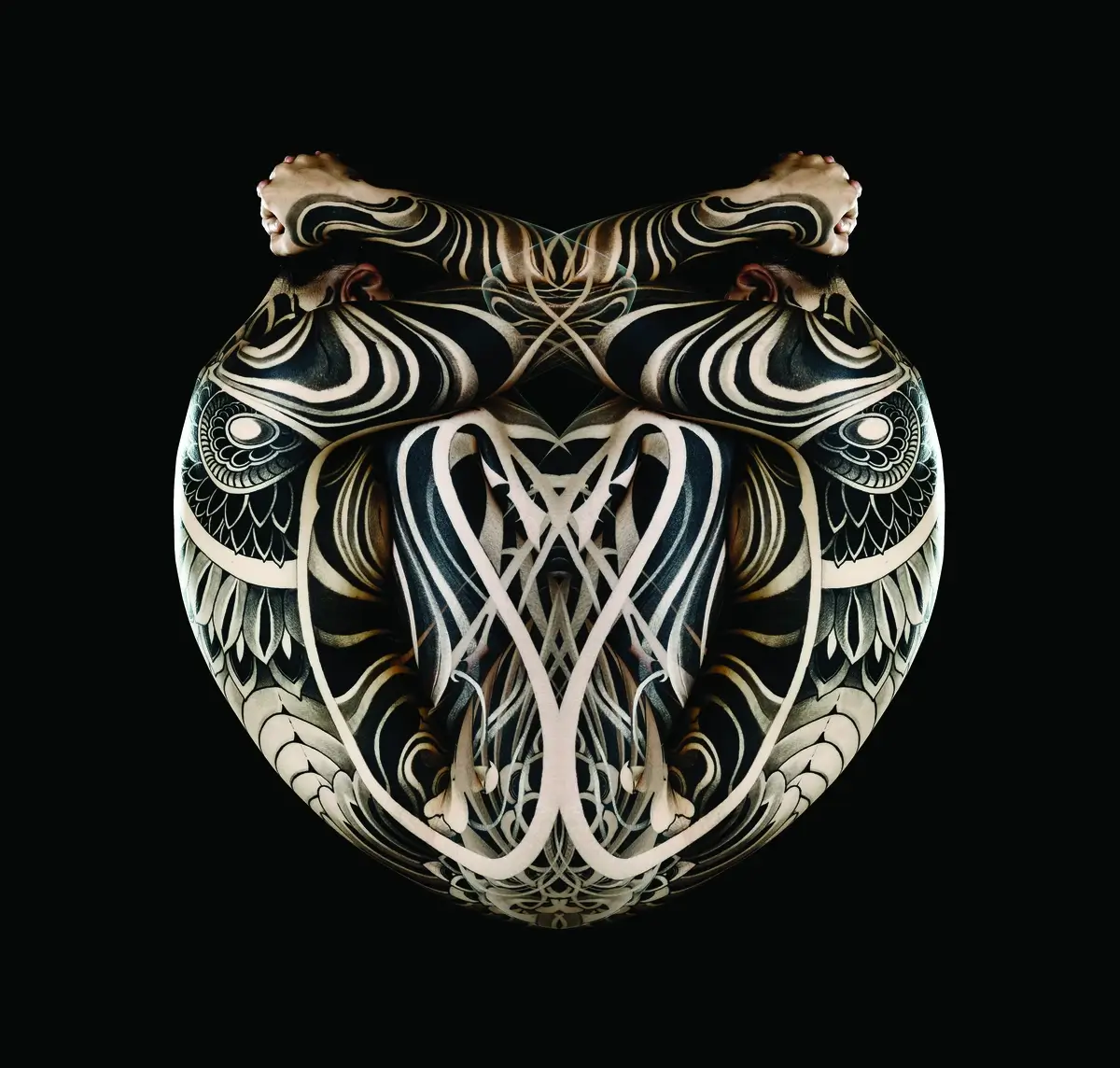
Post-production follows a similar process. Schatz treats Photoshop as a set of physical tools. He experiments with composites, tones, rotations, and cuts. Some attempts don’t succeed, yet a few uncover something that feels innovative. Some take hours, while others take days. One Ember photograph, where her curled form becomes a mirrored figure, took a full day to refine.
He considers the search the engine itself. If an idea stalls, he steps away and begins another, even if he has already invested significant time.
A central theme in Schatz’s work is his view of the body as sculptural material. This perspective aligns with tattoo culture, in which the body serves as an active canvas for art. Schatz explores form, proportion, and movement, and considers how a person holds physical tension and how tattoos integrate with anatomy.
His long-term projects reflect this focus. He has photographed more than 500 pregnant women, created a multi-year series of photographs of the children of women he had previously photographed during pregnancy, and has worked with dancers from the Alvin Ailey American Dance Theater and other major companies. In his “Sculpture” series, he photographed dancers in museum environments to test how convincingly the human body can mimic static art.
His purpose remains consistent. He wants images that alter perception.
Subjects Matter
Schatz views the process of finding subjects as a disciplined practice. He and Ornstein attend dance performances throughout the year and reach out directly to performers. When a dancer catches their eye, they ask if the dancer is open to being photographed. For actors, Schatz uses broad outreach and anticipates a low response rate. For botanicals, he builds relationships with floral shops and exchanges images for access.
His “Cirque du Soleil” series came through a magazine editor who connected him with the company. Schatz spent days in the Bellagio Theater photographing the performers from the rafters, the back rows, and the front of the stage. Across every project, he follows the same approach: pursue leads, stay patient, and create room for discovery.
Duality drives Schatz’s latest book, “Pairs.” The project uses diptychs, two-paneled artworks, to explore visual relationships. It began with dancers collaborating, then expanded as he searched his archive for surprising connections. Club portraits, botanical forms, underwater images, and portraits all contribute to the dialogue.
For the nearly 400-page book, Schatz evaluated over 100,000 options and spent a year finalizing the edit. The resulting sequence shows how two images can influence each other while maintaining their individual identities. To illustrate, imagine a woman underwater with running makeup sitting beside a calla lily with matching tones. The pairing alters how each image is perceived.
A Photographer in Pursuit
Schatz is candid about what comes next. He anticipates that future photographers will surpass his work, and he sees this as a natural evolution of any art form. This belief keeps him motivated. “Everything improves over time,” he says. “Whatever pictures I create now, someone 10 years from now will produce even better ones.”
He continues to expand his archive, having recently photographed a bodybuilder whose physique enabled him to create images he had never attempted before. Schatz documents ideas as they arise and studies anything that broadens his approach. He holds a clear view of creative work: “You’re never finished. The only reason you stop is that a deadline tells you to.”
Even after deadlines pass, Schatz continues. He keeps searching for subjects who can shift his direction, convinced another Ember is out there. His pursuit of miracles hasn’t slowed and likely never will.
To order Howard Schatz’s “PAIRS,” visit pairsbyhowardschatz.com.
Editor's Picks
Past the Podium, Into the Wild
Olympic Snowboarding Champ Sage Kotsenburg’s pursuit of the best snow in the world.
Timeless Ink
A Danish tattoo artist developed a career centered on timeless design and fearless vision.
From Backyard Ramps to BMX Royalty
From Tucson to the top of the podium, Kevin Peraza built his path one trick, one crash, and one wild ride at a time.
More From Art

Meet the Artists Making Tattoos Look Like Stickers
October 22, 2026
Snoop Dogg Tattoos Every Fan Should See
October 20, 2026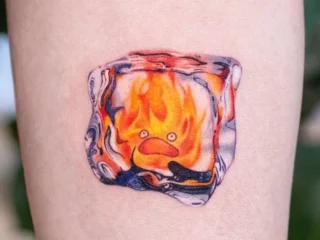
Inked Tattoos of the Week
October 19, 2026
Eminem Tattoos Every Fan Should See
October 17, 2026