Max Freedman
February 9th, 2026
Aging Beautifully
The mainstreaming of tattoos has ended the longtime stigma around having ink in older age.
Once upon a time, tattoos were seen as acts of rebellion, the domain of young contrarians. This may be among the reasons why people newly venturing into tattoos have historically heard the ageist question, “Won’t your tattoos look terrible when you’re older? Won’t you regret them?” These days, though, this stigma is declining. But whereas other stigmas often disappear due to long-term activism and active campaigns against them, this one going to the wayside is just a natural result of how tattooing has evolved over time.
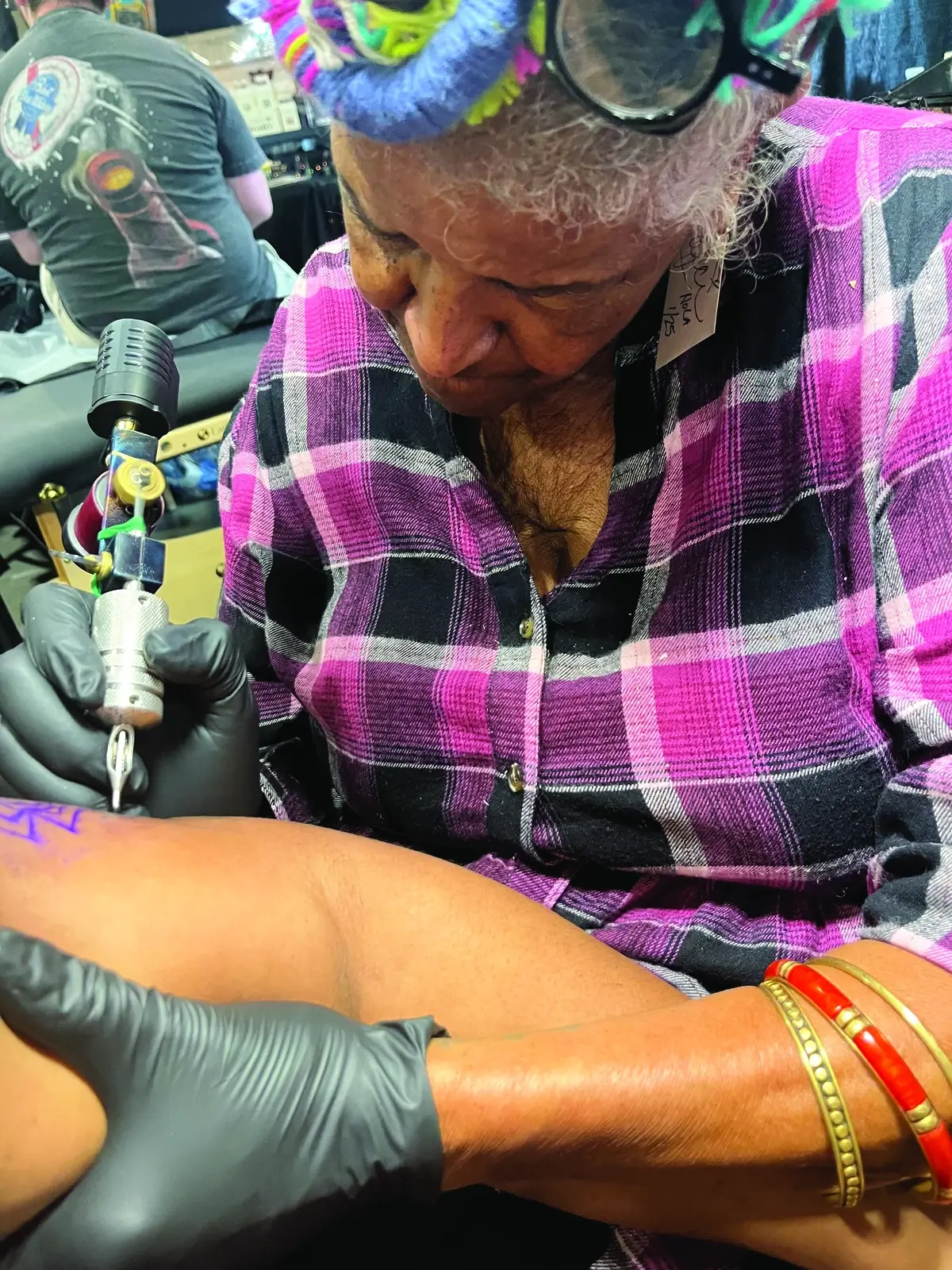
Jacci Gresham, 79, reportedly the first known Black female tattoo artist in the United States, said that the stigma has faded in part because tattooing “is way more artistic than it used to be.” She has observed in her decades of tattooing that “most people don’t regret (their tattoos), and as they get older, they’re proud to have a tattoo.”
Charlotte Guttenberg, the 77-year-old Guinness World Records holder for most tattooed female senior citizen, largely credits the disappearance of ageism-based stigmas to the increasing visibility of tattoos. “So many musicians (have) a lot of tattoos,” she said, naming the judging panel of the widely viewed TV competition “The Voice” as an example. “A lot of the judges who are in the music industry all have tattoos, even the women. It’s just become so accepted, which is a good thing.”
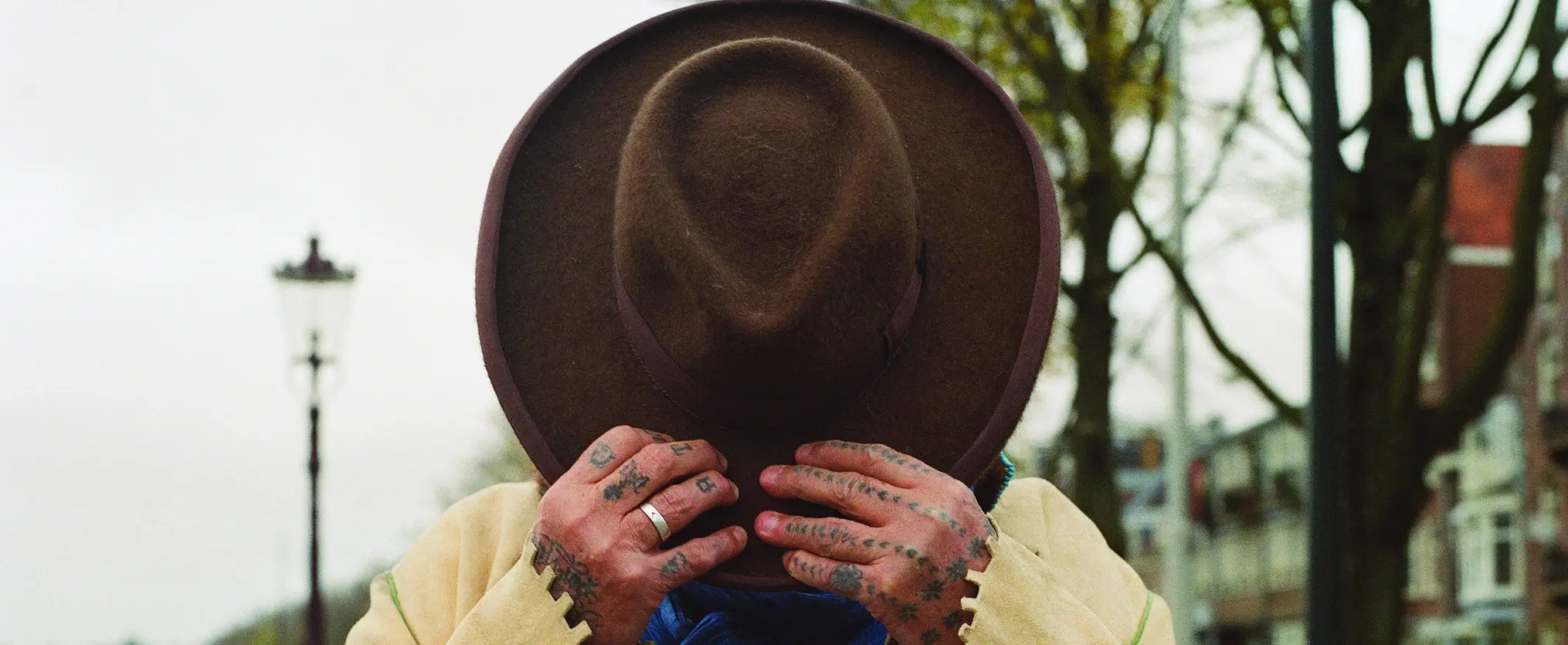
The stigma around older adults getting or having tattoos is so dead that the Dutch tattoo artist Henk Schiffmacher, 73, all but laughed it off: “Old tattoos look bad when they are old? Absolutely not.” Derek Sarno, 55, a prominent vegan chef, cookbook author, and YouTube personality, dismissed the idea too, calling it “dated and ridiculous.” He added, “All of my tattoos are milestones, memories, and philosophies that matter to me. (They’re) markers of a mindset and view I never want to forget.”
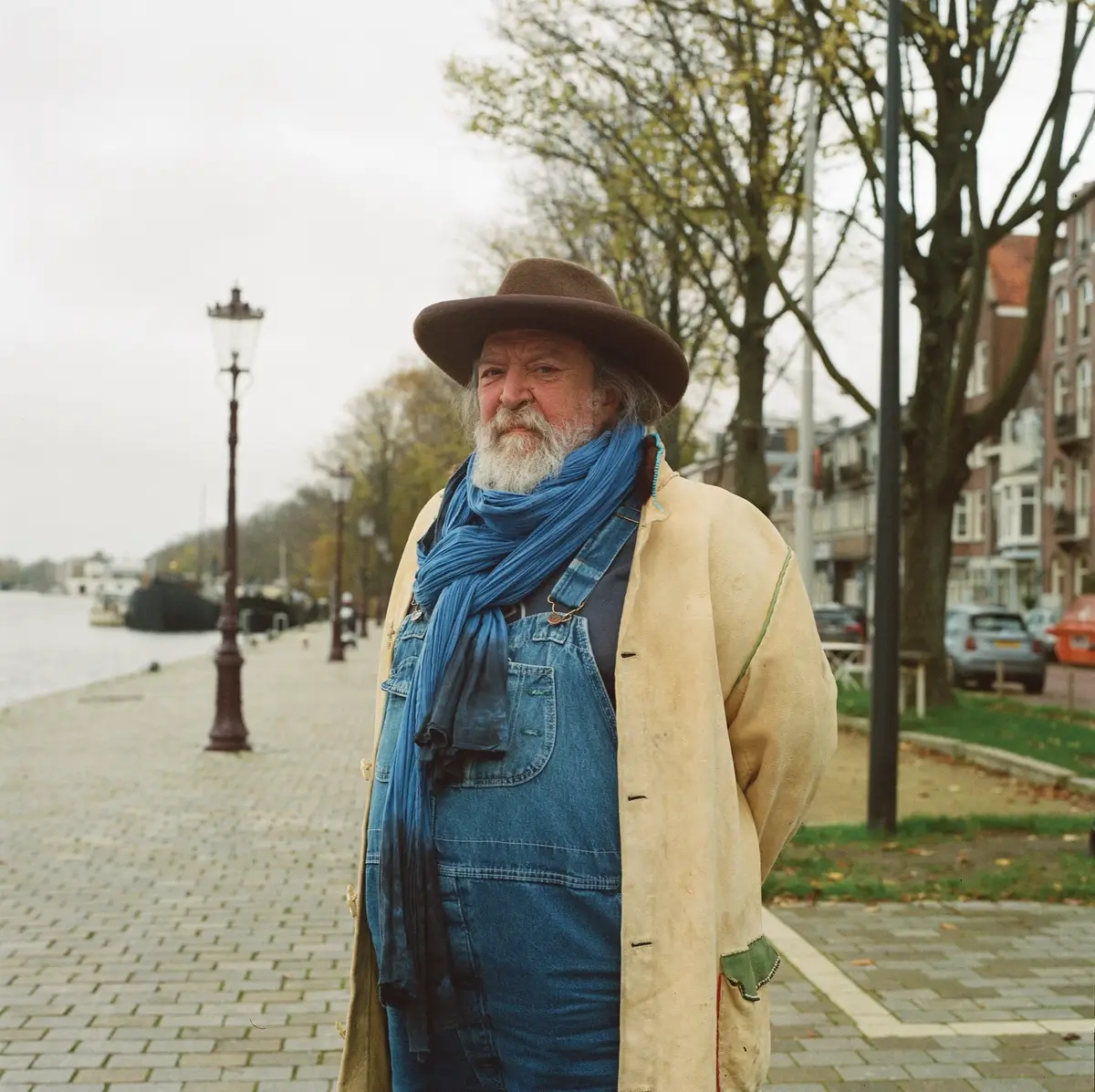
“(Well-Done Tattoos) Blend in your skin perfectly and move a lifetime with you as they should: strong, expressive, and readable” -Henk Schiffmacher
Guttenberg, who got her first tattoo at age 57, said that people’s thoughts on her tattoos have been almost entirely positive. “I have people coming up to me saying, ‘I wish I had done that, what you’ve done, when I was younger.’ It’s like (they) regret that they didn’t do it themselves, and they will tell me, ‘I don’t have any ink,’ and I’m like, ‘Well, you can still get one.’ I’m like, Go for it!”
Through the passage of time, Sarno said that most of his tattoos still look great. He said his tattoos “have (the) ashes of a very special time and person mingled with the ink,” later adding, “I can look at my arms and instantly be reminded to be appreciative of what I have.”
This reason, among others, is why Sarno feels as good about his tattoos today as when he first got them. “The only feelings that have changed (about my tattoos) is wanting to have more in the same spaces,” he said. “I haven’t been tattooed in years but would definitely get more in a heartbeat.”
Schiffmacher expressed similar sentiments about his longtime ink. “I love my old tattoos,” he said. “(I) always have and always will.” For all older adults, he said, “(Well-done tattoos) blend in your skin perfectly and move a lifetime with you as they should: strong, expressive, and readable.”
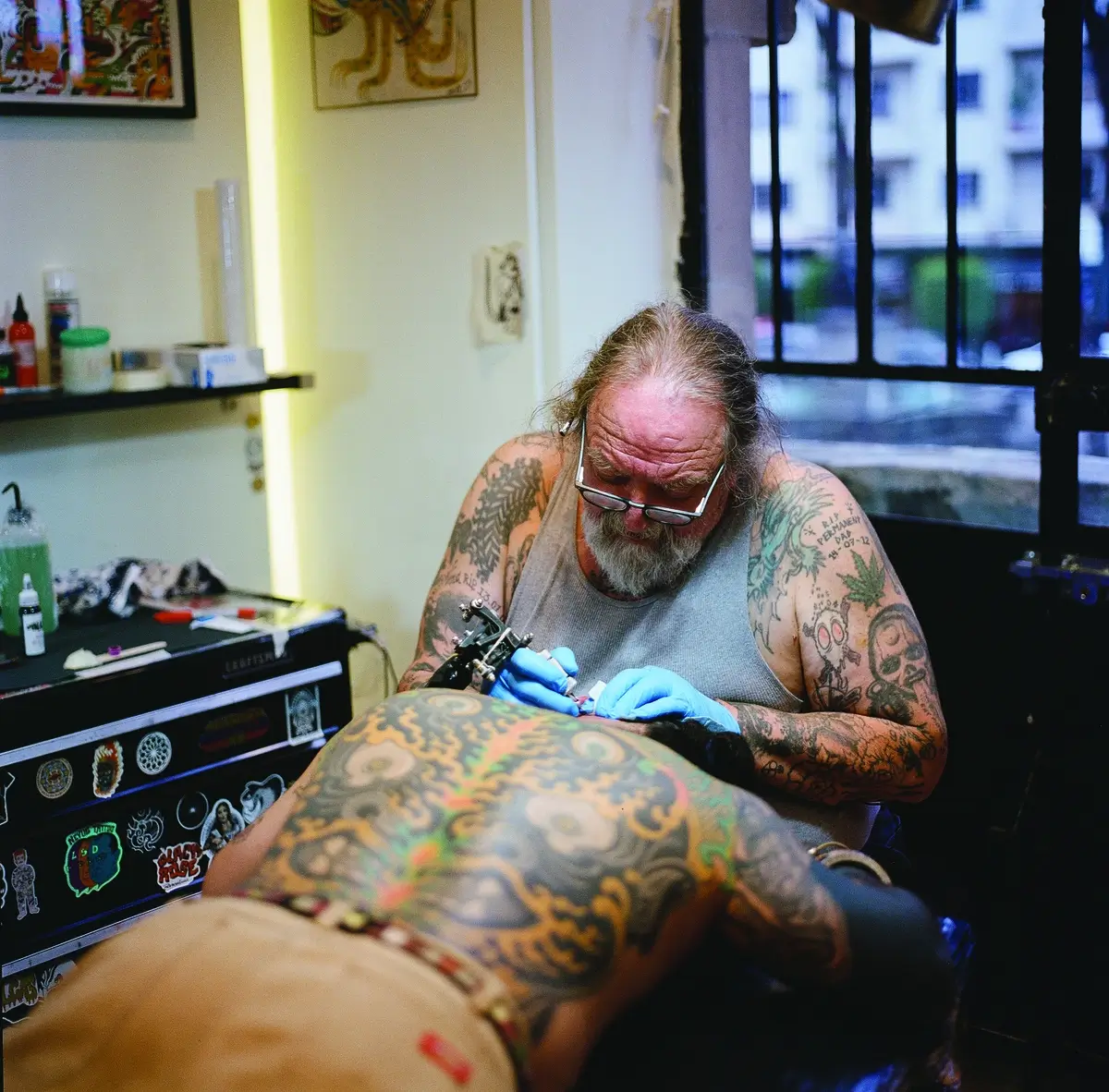
Gresham noted that, in recent years, her client base has spanned “young people to people in their 70s.” So, yes, the stigma around older adults getting tattoos has faded, but Guttenberg said that some older adults may face challenges when getting new tattoos. “I’m finding that my skin — and it’s old skin — is not absorbing the ink the way it used to,” she said. “It’s rejecting new ink.”
Little scientific research exists about how older skin accepts ink, but there is anecdotal evidence that older adults often place their tattoos where their skin is thicker, less aged, or less involved in regular everyday motions. Many tattoo artists recommend placing tattoos on the upper arm, back, or shoulder for older clients, because these areas generally have firmer skin that supports better healing.
It’s also widely reported that some heart medications commonly taken among older adults may be blood thinners, and that for older adults prescribed these medications in higher doses, there may be more bleeding while getting a tattoo. However, any potential medical challenges are just that: potential. If anything, they’re the only negative aspect remaining nowadays when it comes to older adults getting new tattoos. And for older adults who already have tattoos, any negativity is marginal and easy to brush off.
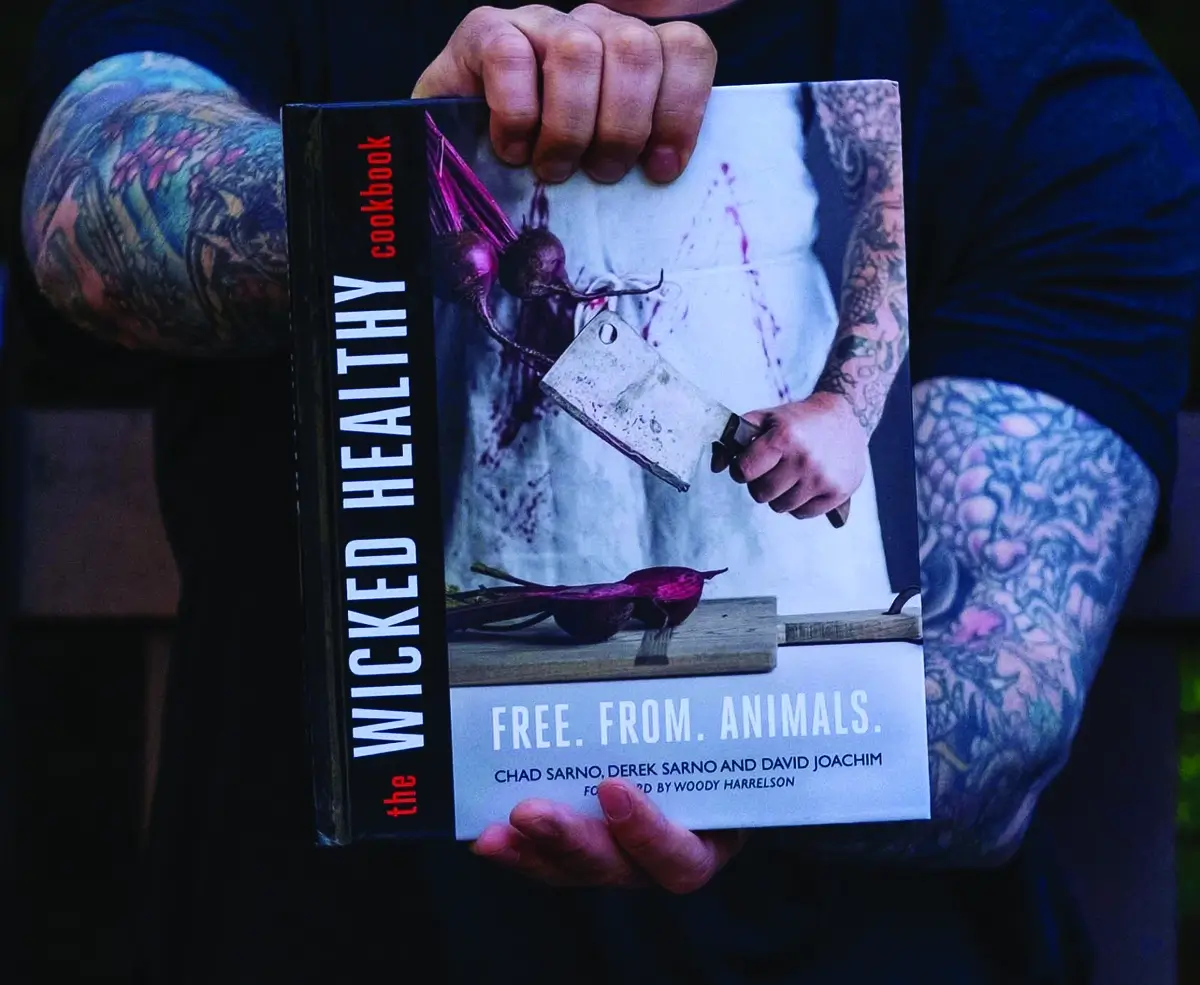
“All of my Tattoos are milestones, memories and philosophies that matter to me. (They’re) markers of a mindset and view I never want to forget.” -Derek Sarino
“I’ve had people tell me in person that Jesus wouldn’t approve, that I’ve ruined my body,” said Sarno, who began his YouTube video for his thousand-pea pasta recipe with two screenshots of particularly nasty YouTube comments about his tattoos. One reads, “Could you please cover up your tattoos? Unfortunately they are disgusting to look at.” The other reads, “If you’re so concerned about your health, what about those sleeve tattoos injected with toxic Chinese ink???”
Notably, Sarno superimposed “MISERABLE PERSON” over the first commenter’s username and “TOXIC EGO” over the second commenter’s username. He’s quick to brush off negative comments because they “show how immature, racist, and judgmental someone is. If someone’s triggered by my tattoos, skin color, or belief system, that’s on them, he said, adding, “I try to meet negativity with compassion and boundaries.”
This is Guttenberg’s approach when facing negativity as well. She said that she has been stopped by people who comment negatively about her tattoos, “especially people (who) have a religious preference against tattooing,” she said, adding, “I do not argue with people who stop me with lectures about tattoos. I support their right to have an opinion on the subject. I simply do not choose to participate in a debate with them. I have the right to opinions as well. I do not choose to impose them on anyone or accost people in public places to express my opinions.”

This experience, though, has been rare for Guttenberg. “I receive fewer derogatory comments about my tattoos than I did when I was younger,” she said, meaning that her tattoos have been accepted more while she’s been in her late 70s than when she was in her late 50s. Her experience opens the door for anyone of any age to get whatever ink they desire.
“I’ve seen some of the most beautiful tattoos on older people whose skin tells amazing stories,” Sarno said. “To me now, well-done tattoos on older bodies are like a well-worn, well-cared-for cookbook: lived in, loved, and full of history and wonderful taste.”
Editor's Picks
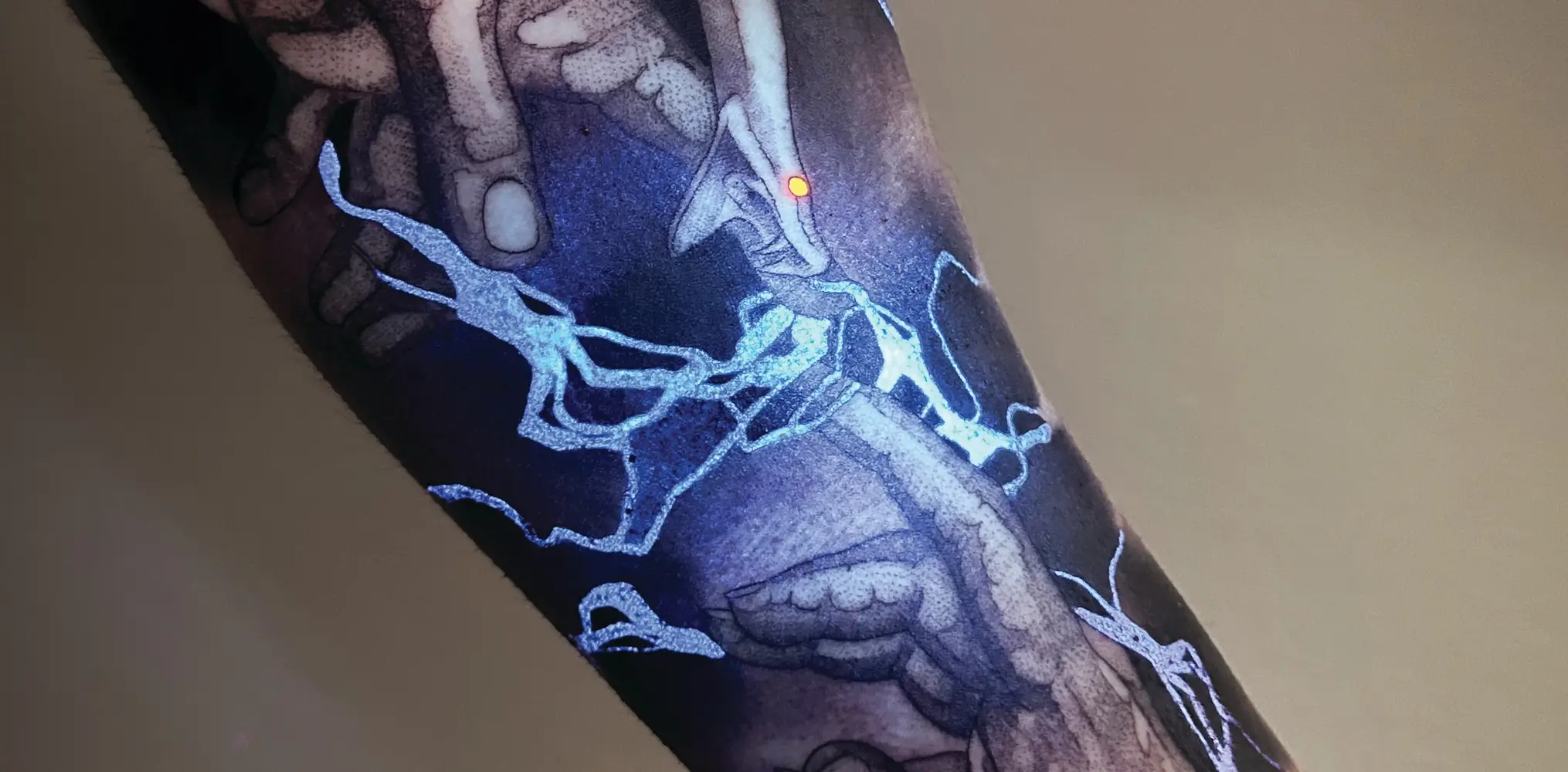
Shining a Light
Glow-in-the-dark tattoos may have been a fad, but the technology behind — and ongoing interest in — UV tattoos is pushing tattooing ink forward.
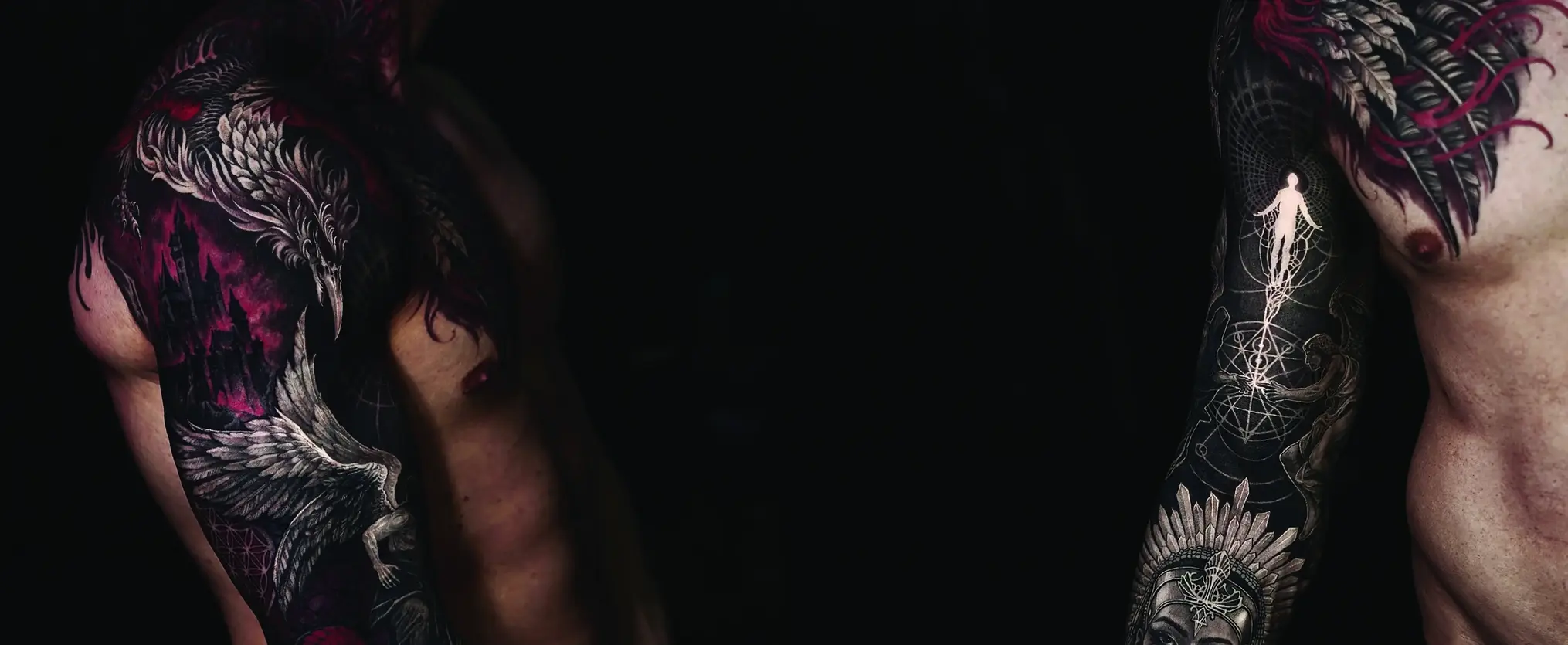
The Art of Perseverance
Not even war can stop Ukrainian artist Dmitriy Tkach from designing tattoos of breathtaking size and detail.

More From Culture
Halloween Essentials to Die For
October 14, 2026
It’s Shnow Season!
October 13, 2026
When the Relationship Ends but the Tattoo Stays
October 7, 2026
Marina Volk’s Painterly Color Realism Is Made for the Body
October 7, 2026