
Inked Mag Staff
March 13th, 2026
Hyperrealism Leaves No Room to Hide
The discipline behind hyperrealism tattooing
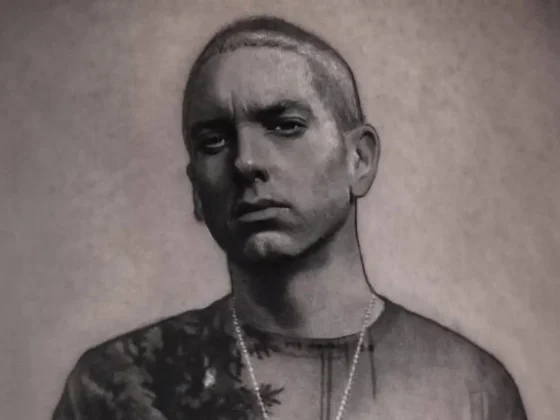
Hyperrealism leaves nowhere to hide. Every pore, highlight, and shadow has to hold up under the needle. For Italian tattoo artist Livio Cuci, that pressure isn’t the challenge. It’s the entire point.
After building his reputation across Italy and Europe for photographic realism, Cuci committed more than a decade ago to working exclusively in hyperrealism. No stylistic detours. No safety net of other genres. Just the discipline of refining one craft until every decision in the tattoo becomes intentional.
“There’s a moment in every realism piece where you either overwork it or you stop,” he says. “Most artists know that line. Learning to respect it is the real skill.”
For Cuci, the path into tattooing started long before the first machine touched skin.
“I’ve been passionate about drawing and art for as long as I can remember,” he says. “As a kid I was always sketching, and later I started painting on canvas. Everything changed the day I got my first tattoo. That’s when I realized tattooing was the perfect way to turn my passion into a career.”
That shift from canvas to skin is where the real education begins.
Paper forgives. Skin doesn’t.
Choosing a Lane and Staying There
Like most tattooers, Cuci didn’t start in a single style. Early in his career he worked across multiple approaches, building the technical foundation every serious artist needs before narrowing their focus.
Realism quickly stood out.
“I was immediately drawn to realism,” he explains. “From there I focused on refining my technique to specialize in that direction.”
Ten years ago, he made the decision to commit completely to hyperrealism.
For experienced tattooers, that level of specialization carries weight. It means accepting repetition. It means confronting your technical limits every day. And it means understanding that improvement in realism doesn’t come from novelty but from refinement.
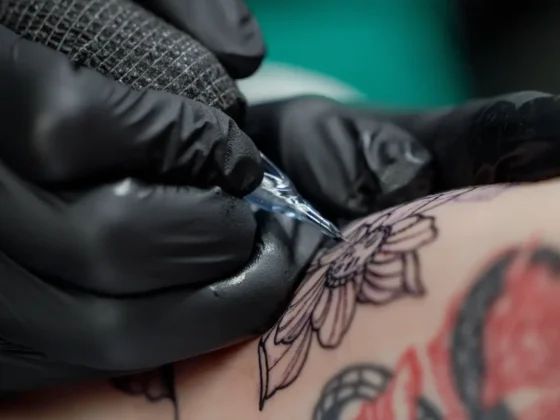
Hyperrealism offers no shortcuts. Every transition in tone, every highlight, every reflection either contributes to the illusion of depth or breaks it.
The Real Work Happens Before the Tattoo
Artists who don’t work in realism often assume the hardest part of these tattoos happens during the session itself.
In reality, most of the work happens before the stencil is even made.
“The first step is always understanding the client,” Cuci says. “Connecting with them and really listening to what they want.”
Once that conversation happens, the technical preparation begins.
“Since I specialize in photographic hyperrealism, the process is less about drawing from scratch and more about carefully selecting, studying, and composing multiple images to create a strong final design.”
That preparation often involves combining references. One image may provide the right anatomy, another the correct lighting or contrast. The goal isn’t to replicate a single photograph but to construct an image that will translate convincingly onto skin.
In hyperrealism, detail alone isn’t enough.
You’re translating light into pigment under living tissue.
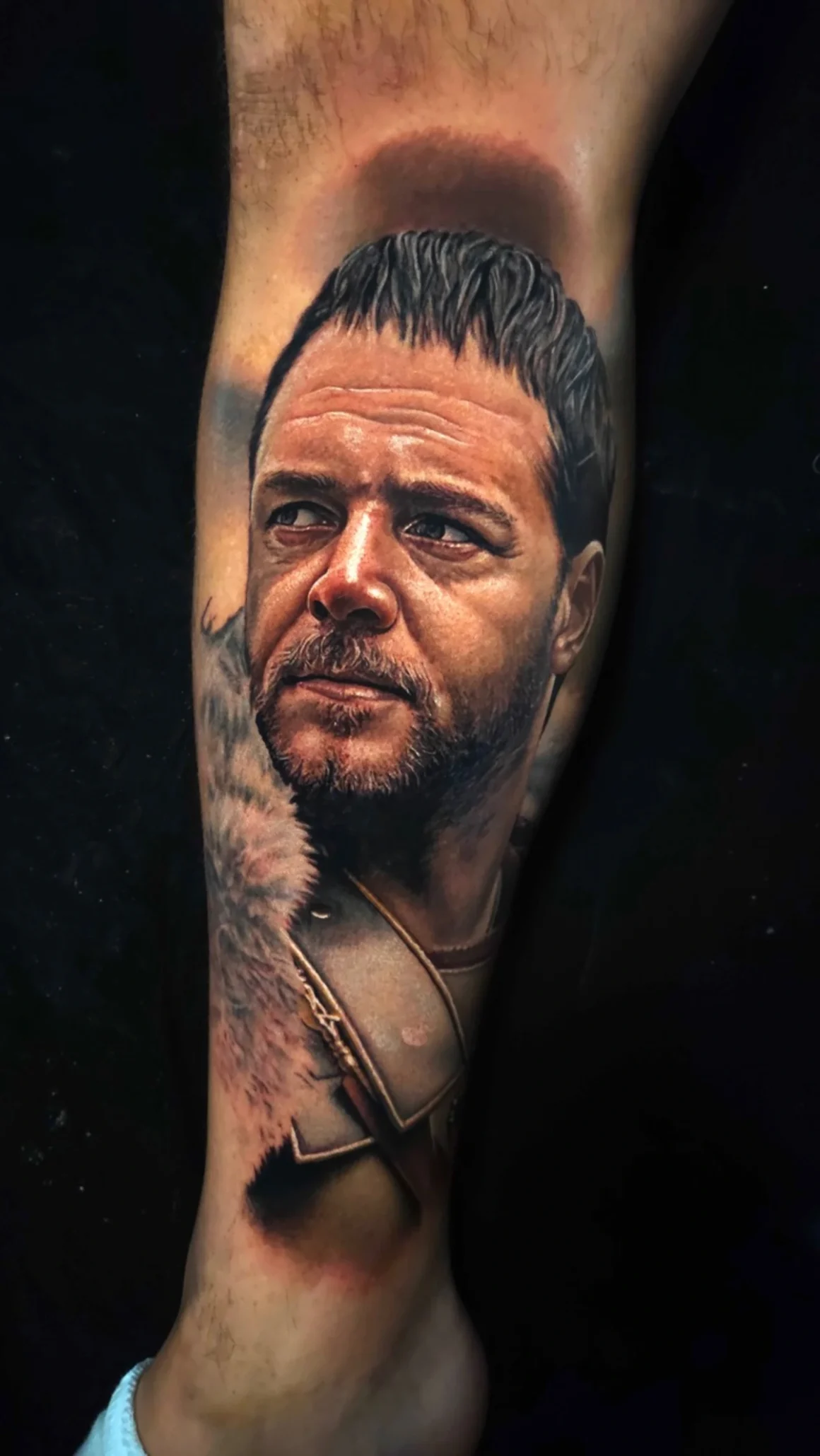
Portraits and the Weight of Accuracy
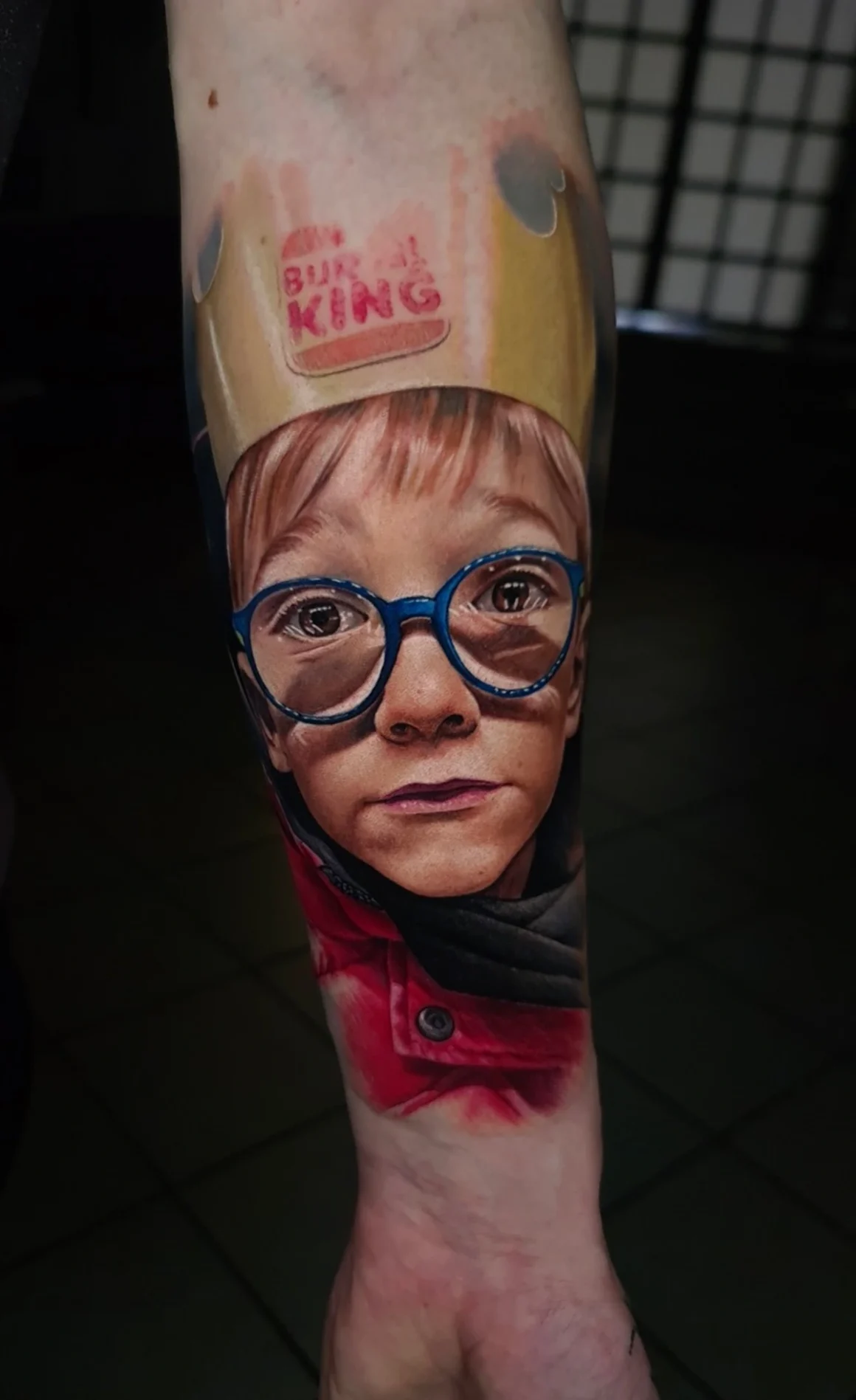
Portrait tattoos remain Cuci’s favorite work. Faces carry emotional weight and demand technical precision.
“Portraits are definitely my favorite,” he says. “I find them incredibly meaningful and technically engaging.”
In portrait realism, small mistakes become obvious immediately. Anatomy can’t be exaggerated. Proportions can’t drift. The likeness has to hold up from every angle.
When it works, though, the result feels less like decoration and more like a memory preserved in ink.
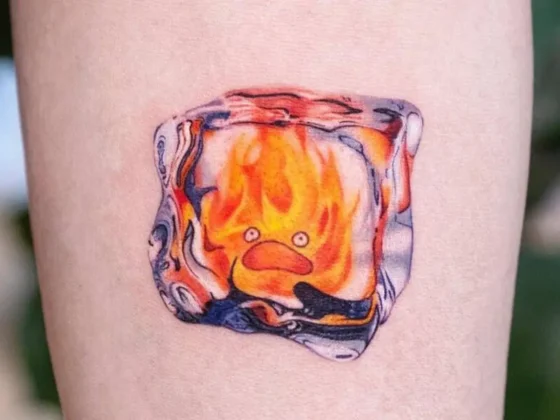
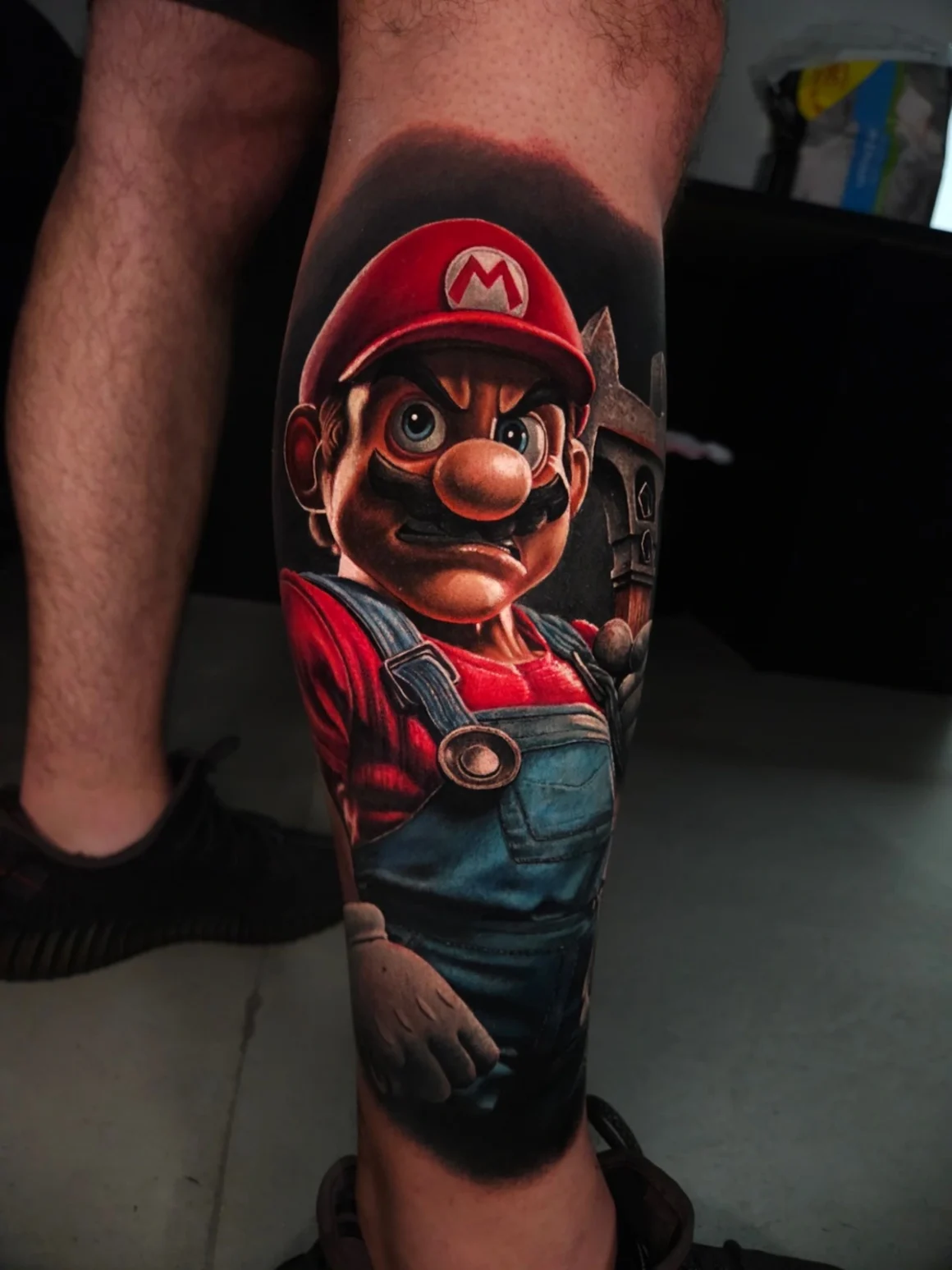
Cuci also enjoys realistic anime and cartoon subjects, translating stylized imagery into believable depth and texture on skin.
Even those projects rely on the same discipline: controlling value, contrast, and structure until the image feels real.

A Controlled Studio Environment
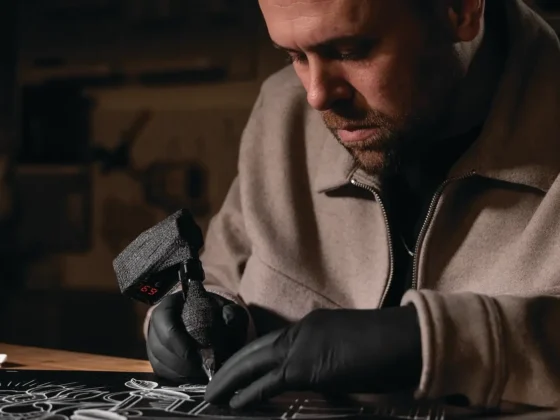
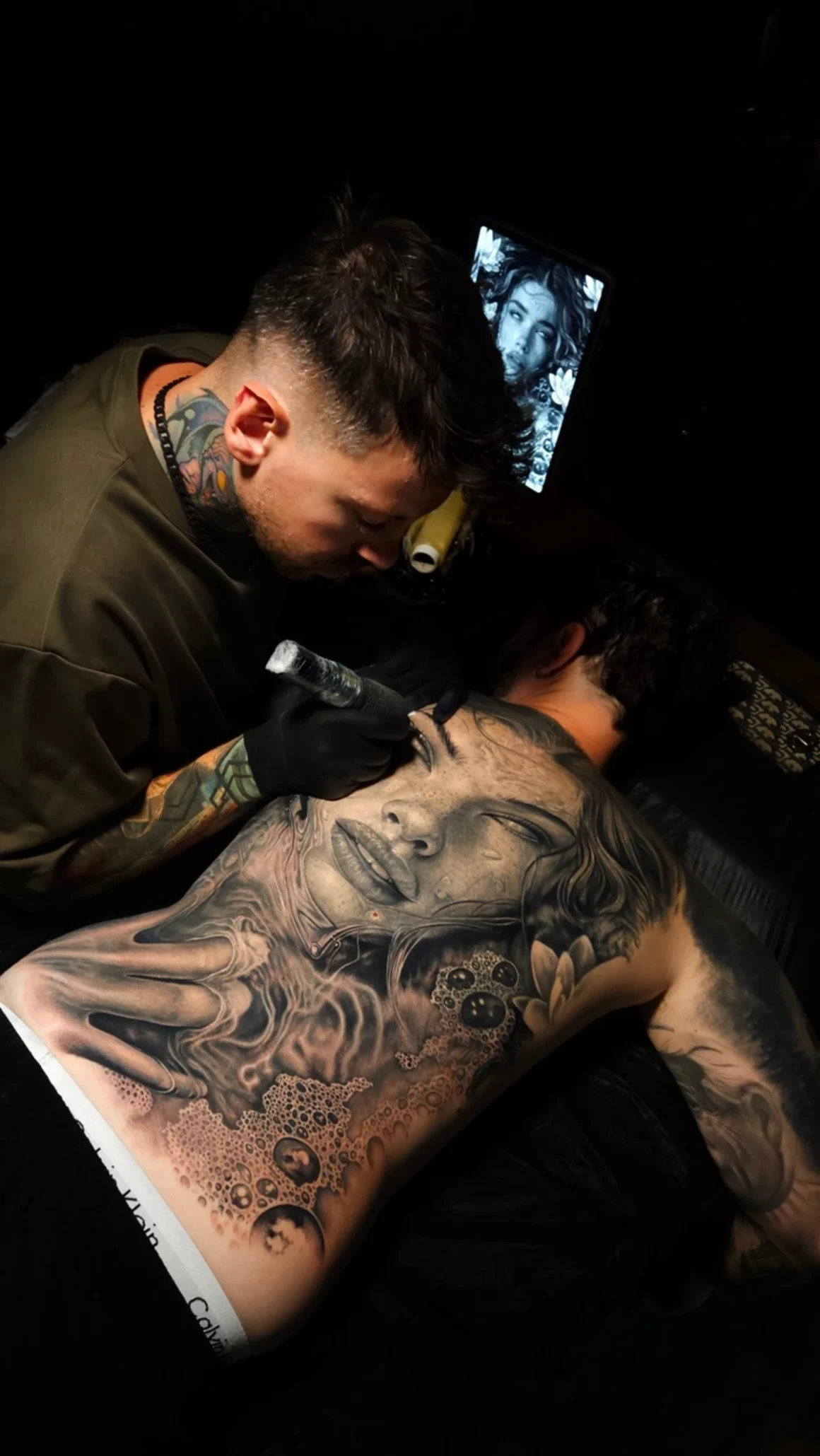
When he’s working in Italy, Cuci tattoos out of a private one station studio in Brescia, designed around focus and control.
The studio operates entirely by appointment. There are no walk-ins, no production-line flow, and no distractions. The environment allows him to dedicate the time required for complex realism sessions that often demand hours of concentration.
In the United States, he works primarily as a guest artist, traveling between studios and collaborating with tattooers across the country.
The experience has expanded both his network and his perspective on tattoo culture.
“The exchange of ideas with other artists has always been essential to my growth,” he says. “Collaborating, observing different methods, and constantly challenging myself have all played a major role in my development.”
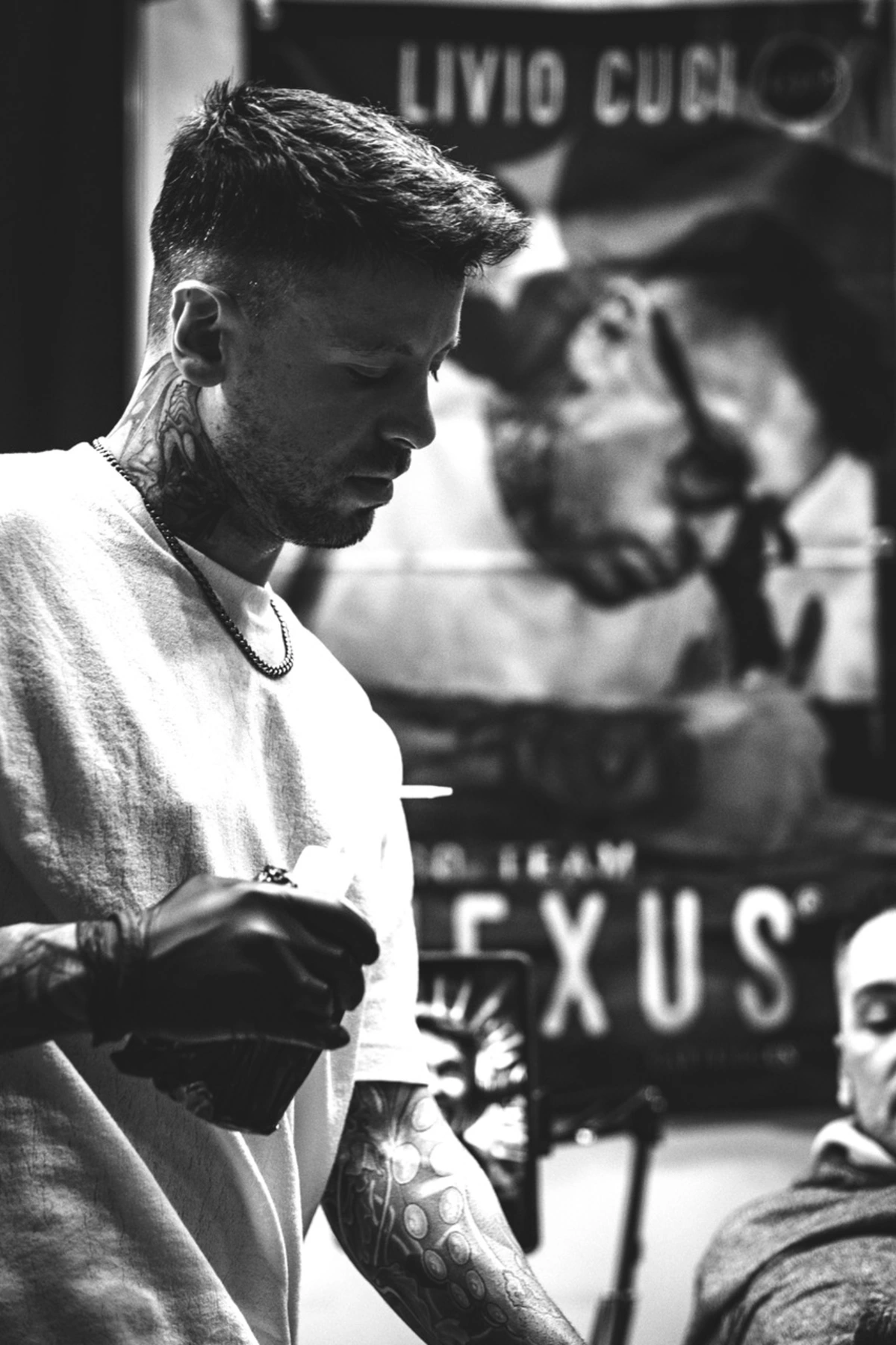
Teaching the Craft
As his reputation grew, other tattooers began asking about his process. That demand eventually evolved into private seminars, group master classes, and an online course focused on hyperrealism technique.
During in-person sessions, artists observe a full tattoo process before practicing their own work the following day.
The goal is not just to demonstrate a style but to explain the thinking behind each step.
“The advice I give students is always the same,” Cuci says. “Experiment. Try every style, work with different color palettes, adjust your machine settings, test new techniques. The key is exploring until you discover what truly excites you and what suits your skills best.”
Specialization, he believes, comes from exploration first.
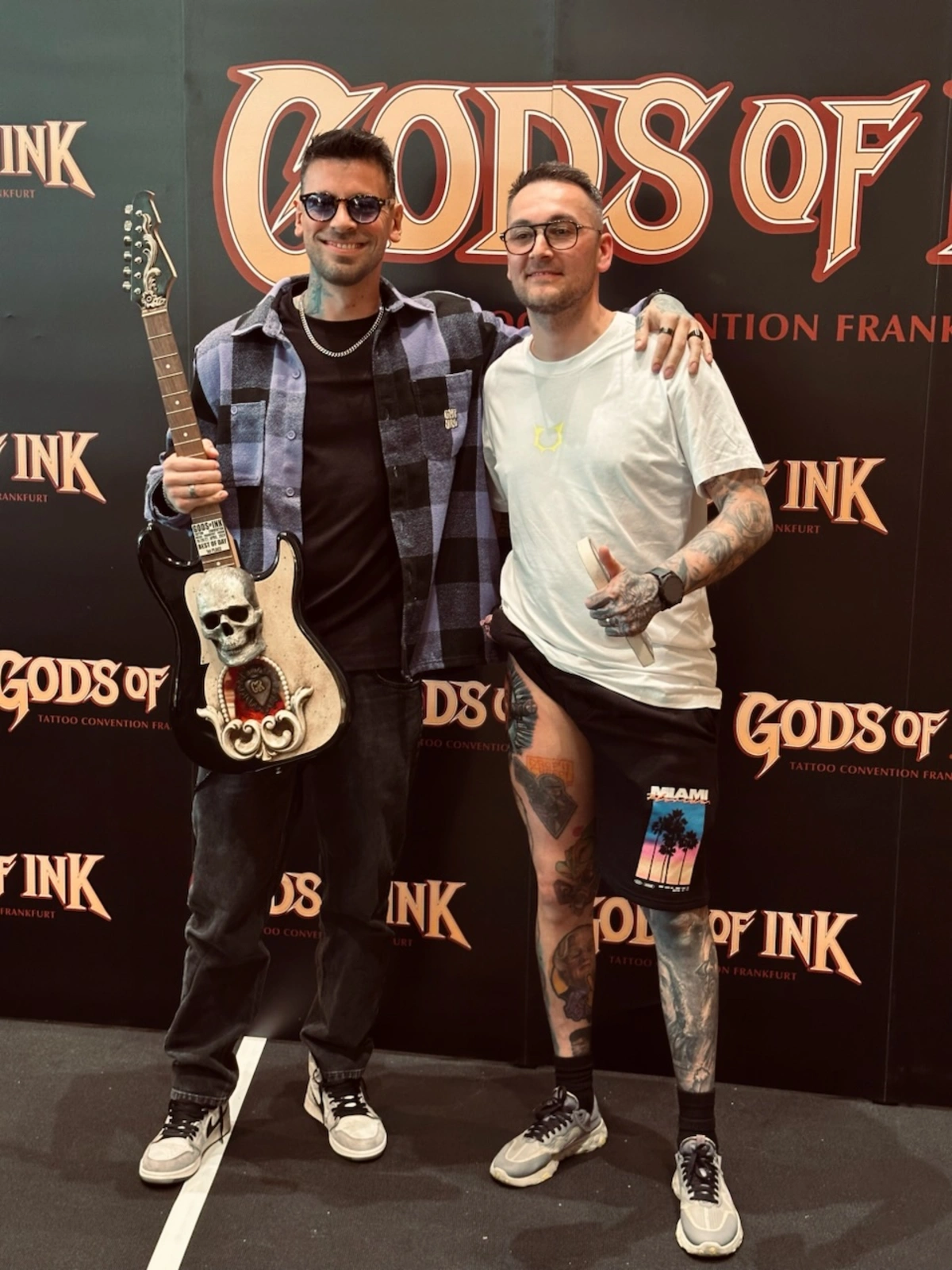
Recognition on the Convention Circuit
In 2024, Cuci stepped onto the stage at the Gods of Ink Convention, one of the most respected tattoo events in the world, and heard his name called for Best of Friday.
It was his first time competing there.
“I remember feeling both excited and nervous,” he says. “The level of competition was incredibly high. When they called my name on stage, it felt like all the hard work and dedication of the previous years had finally been recognized.”
He has also won Best of Day awards in Frankfurt, Milan, and Verona, conventions known for attracting some of the strongest realism artists in the industry.
But in realism tattooing, recognition is only part of the story.
Yesterday’s award doesn’t make tomorrow’s portrait easier.
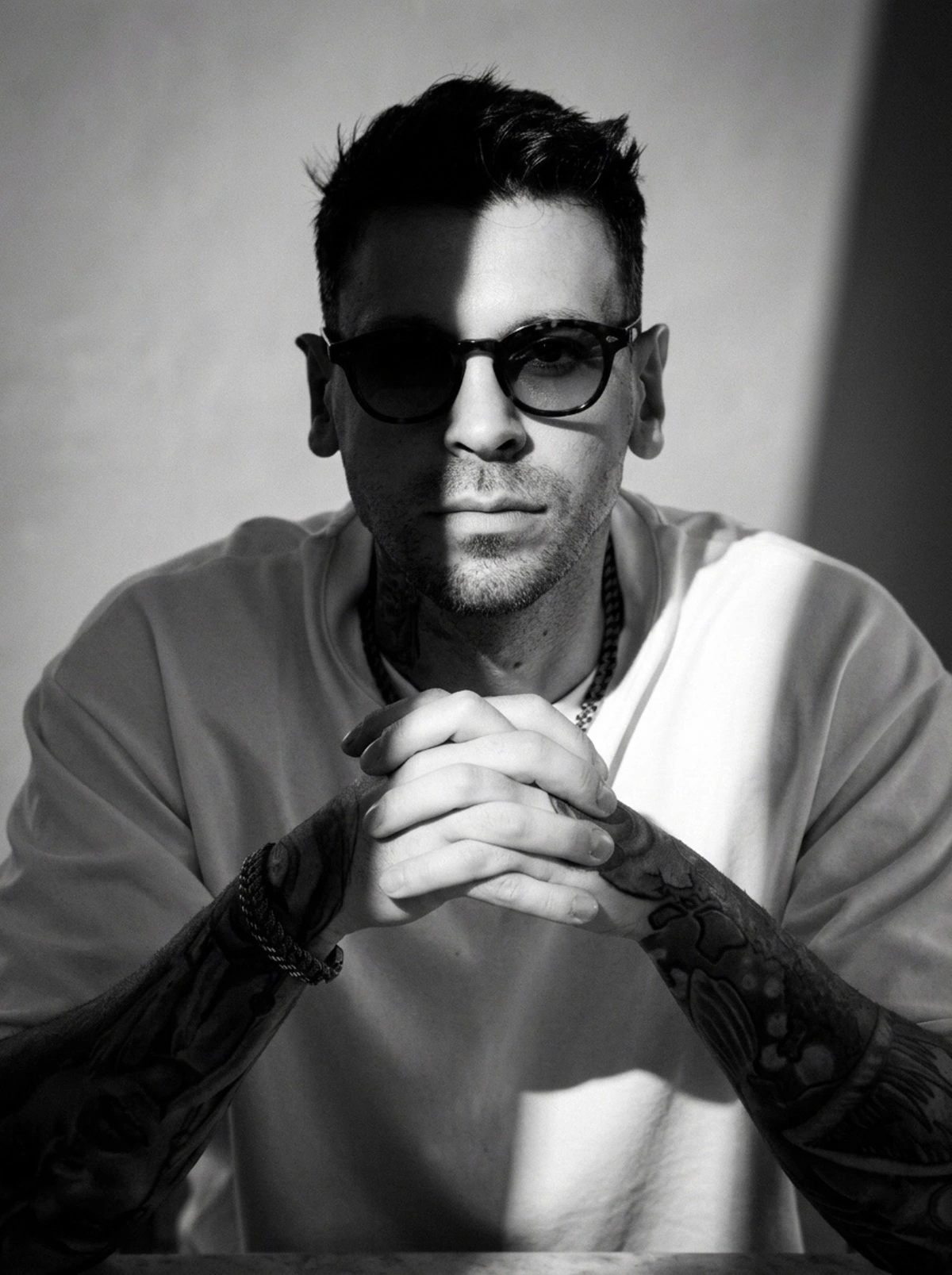
The Responsibility Behind the Work
For Cuci, the deeper motivation behind tattooing remains unchanged.
“Every tattoo is a form of art, and very often it carries a story,” he says. “Being entrusted with someone’s emotions, memories, and personal meaning and permanently translating that onto their skin is something I consider a privilege.”
In hyperrealism, the responsibility feels even greater.
If a portrait misses the mark, the emotion disappears. When it works, though, the tattoo feels alive.
Years from now, Cuci hopes viewers will see more than technical precision in his work.
“I hope that people can clearly see the evolution in my work,” he says. “The result of experience, dedication, and my constant pursuit of improvement.”
In a style where every millimeter is judged under a microscope, restraint might be the hardest skill to master.
Knowing when to stop is what makes the illusion believable.
Editor's Picks
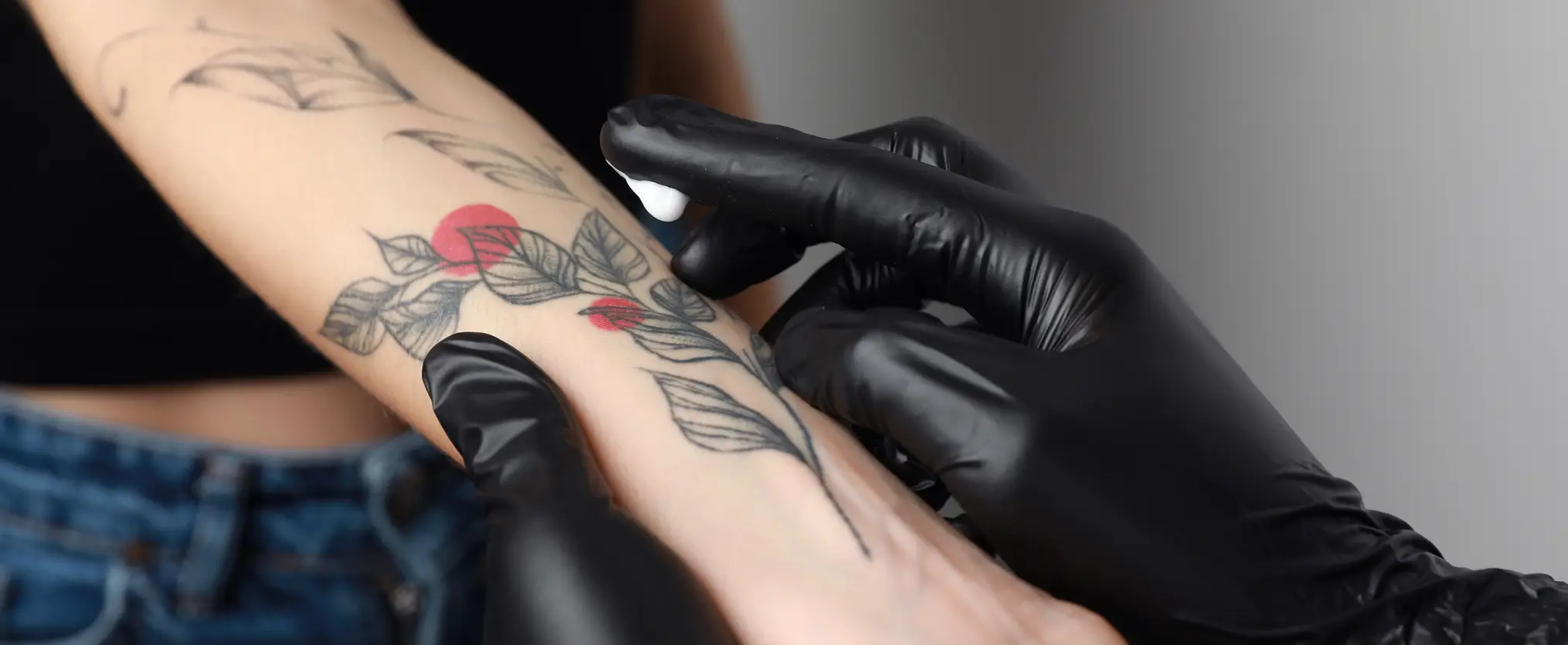
What Happens When Military Standards Meet Tattoo Aftercare
How one Navy serviceman turned military discipline into a new standard for protecting tattoos and the stories behind them.
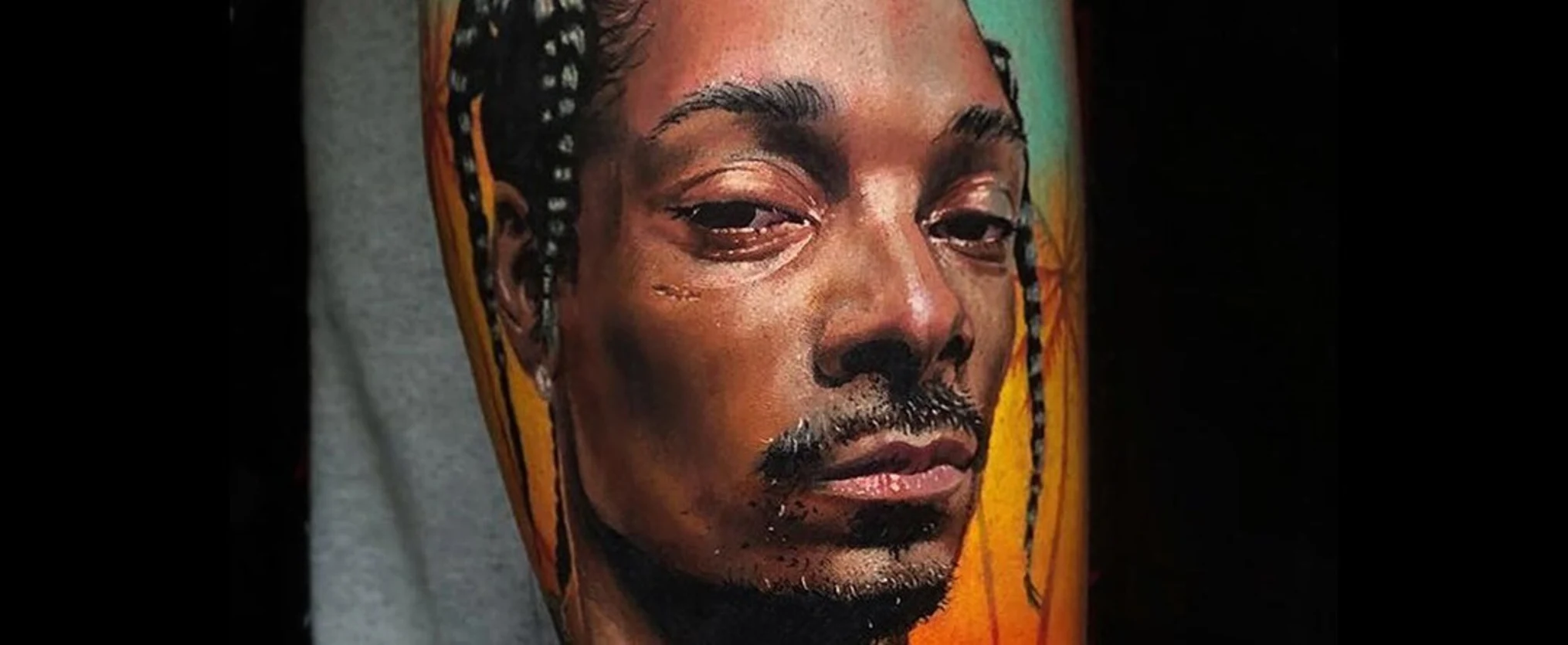
Snoop Dogg Tattoos Every Fan Should See
Celebrating Snoop Dogg’s birthday with tattoos honoring the hip-hop legend.
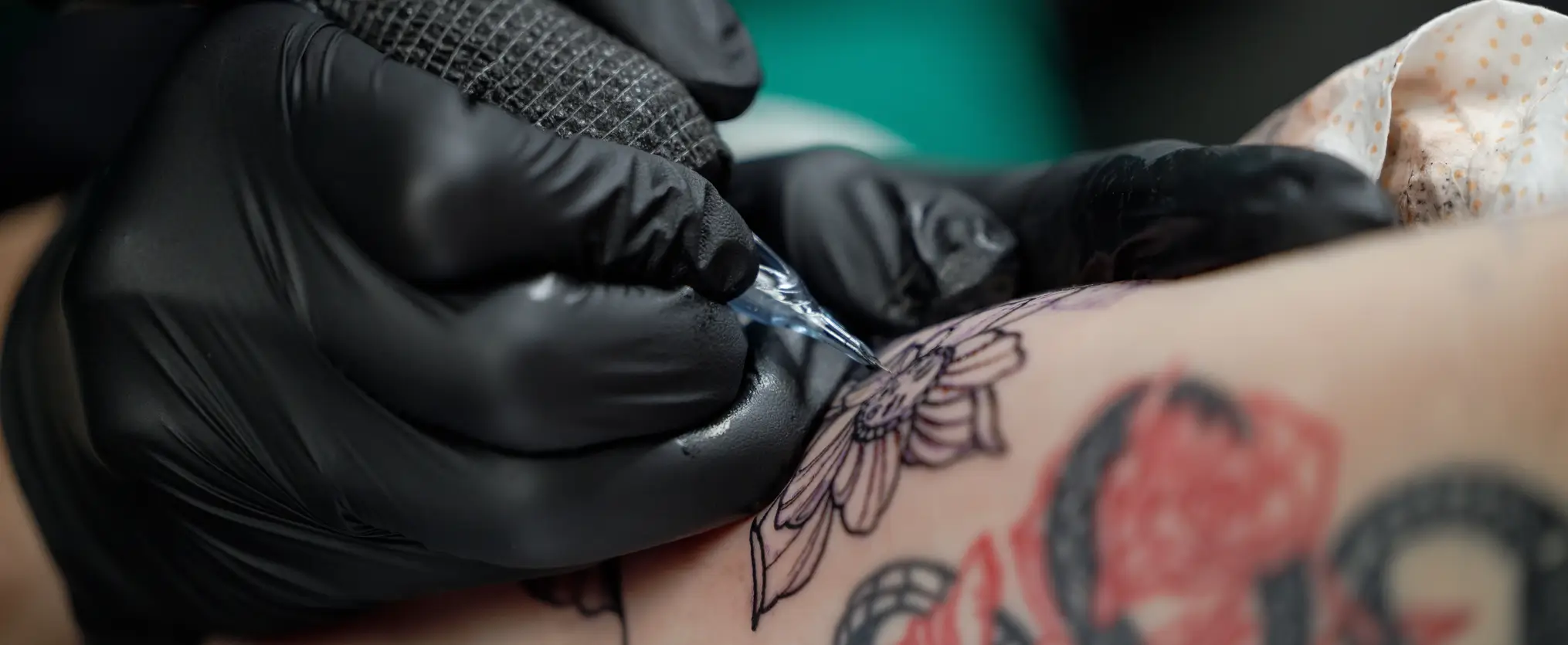
Your Books Got Busy. Your Software Didn’t.
The booking platform built for tattoo artists, from the first inquiry to the final session.
More From Culture
What Happens When Military Standards Meet Tattoo Aftercare
October 20, 2026
Steel to Sole
October 19, 2026
Breaking the (Skin) Barriers
October 19, 2026
Your Books Got Busy. Your Software Didn’t.
October 19, 2026