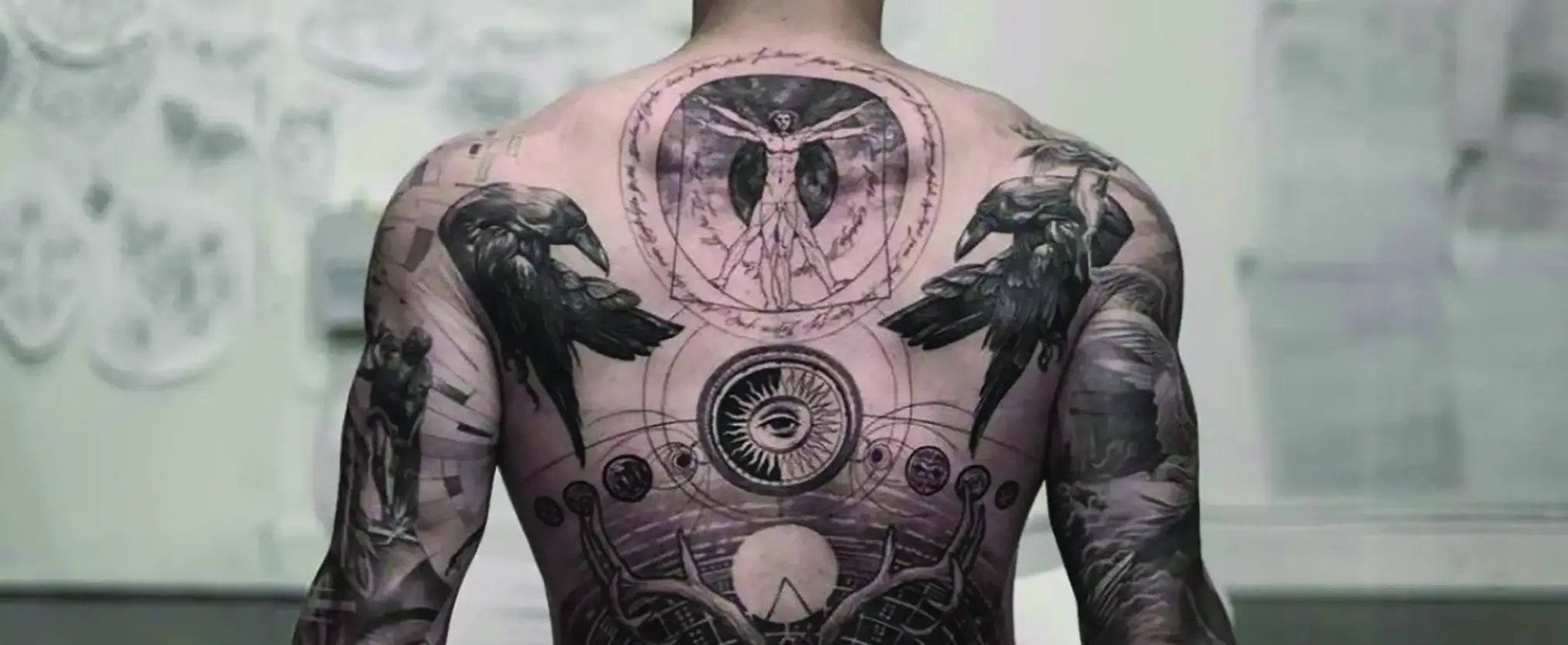
Realism Reduced and Refined
Micro-realism tattooing scales down breadth without sacrificing the details.
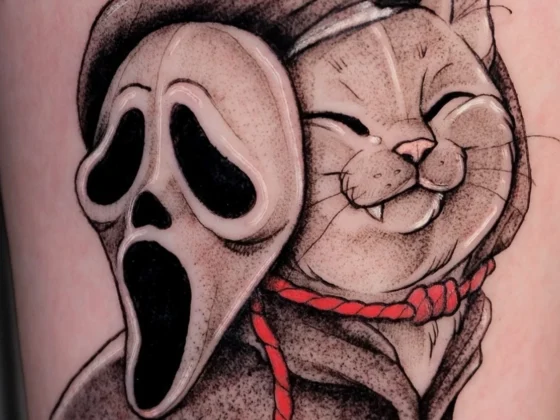
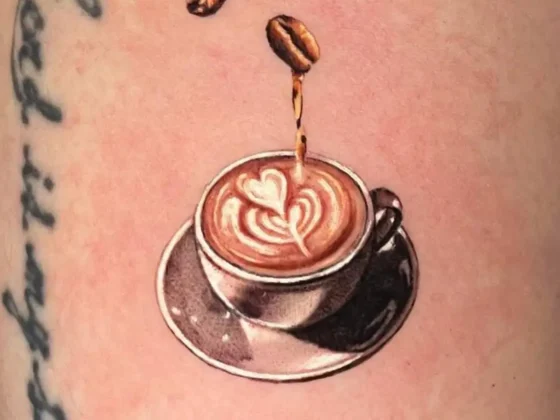
Micro-realism comes in many forms yet remains one of the most recognizable trends in modern tattooing. London-based artist Esmee Godfrey defines micro-realism as “an adaptation of traditional realism that is more accessible,” meaning smaller, photorealistic tattoos that require less time, money, and commitment, rather than large-scale works such as an entire sleeve.
According to NYC-based artist Oscar Akermo, micro-realism sets itself apart from traditional realism by being a more “narrative-driven tattoo style, with the transition to smaller tattoos in the mid-2010s allowing for clients and artists alike to think of tattoos more conceptually.”
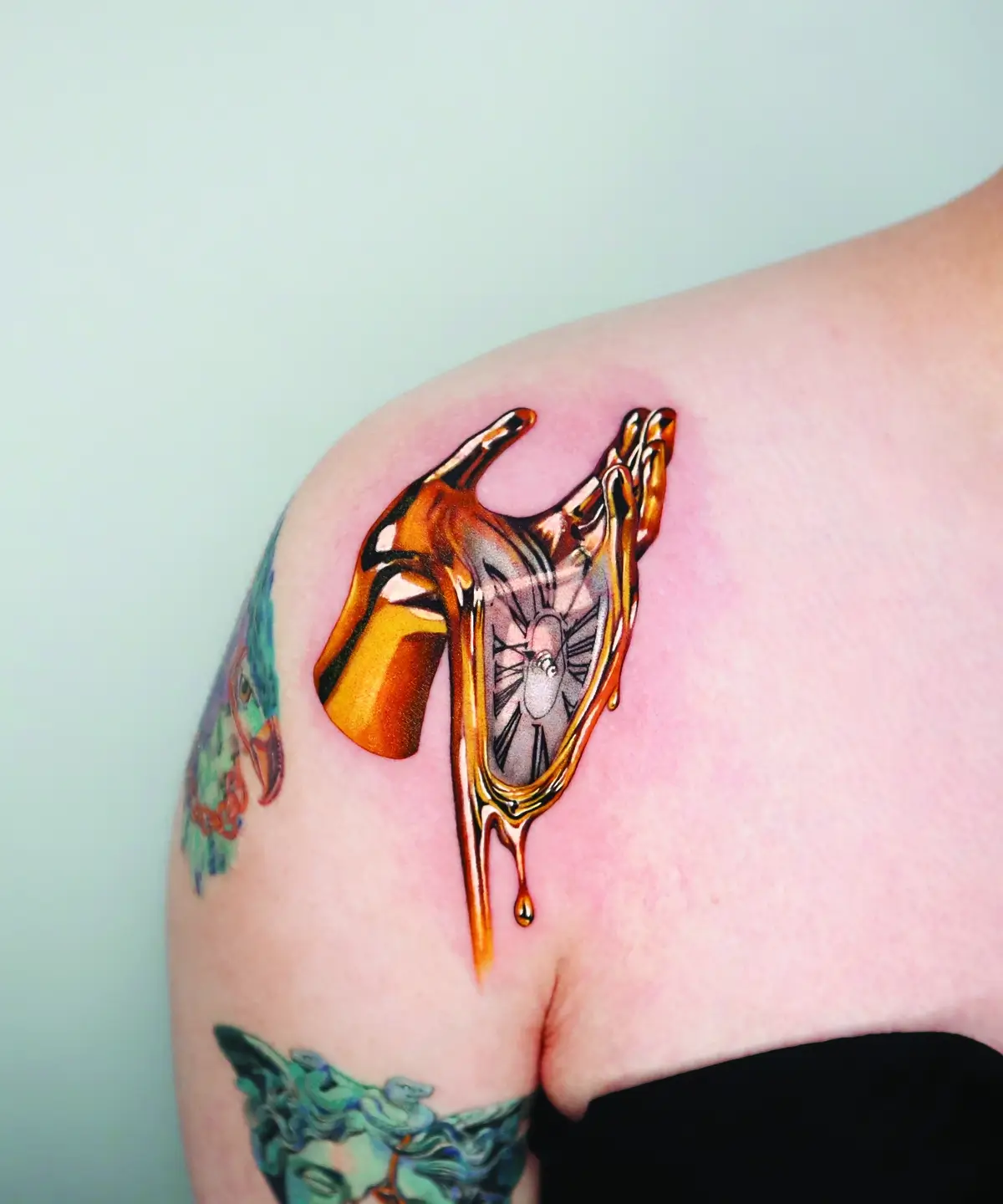
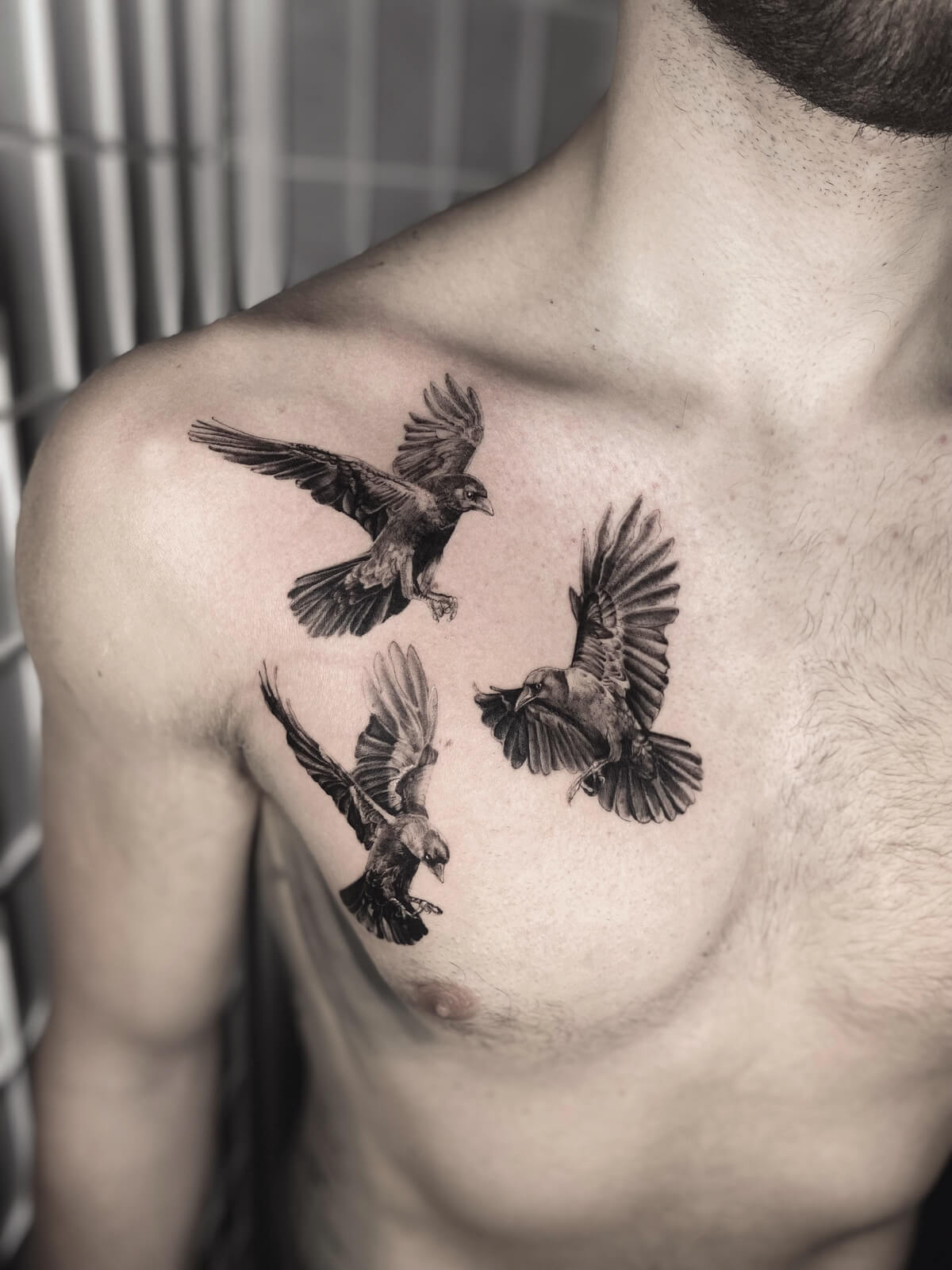
Godfrey, who specializes in single-image micro-realism tattoos, says the subjects she gets most requests for are “animals, specifically pet portraits and birds such as swallows,” highlighting that there’s a lot of sentimental imagery and photorealistic re-creations in the niche.
Korean artist Jooa Choi says she saw an increase in demand for the style emerging “roughly around 10 years ago, with many of its roots beginning in Korea, and gradually expanding over time as it gained more attention and developed.” She explains that “modern needles are much more refined than before, allowing for thinner and more delicate expression rather than a rough or heavy result,” producing intricately detailed, small-scale artworks.
Precision as a Discipline
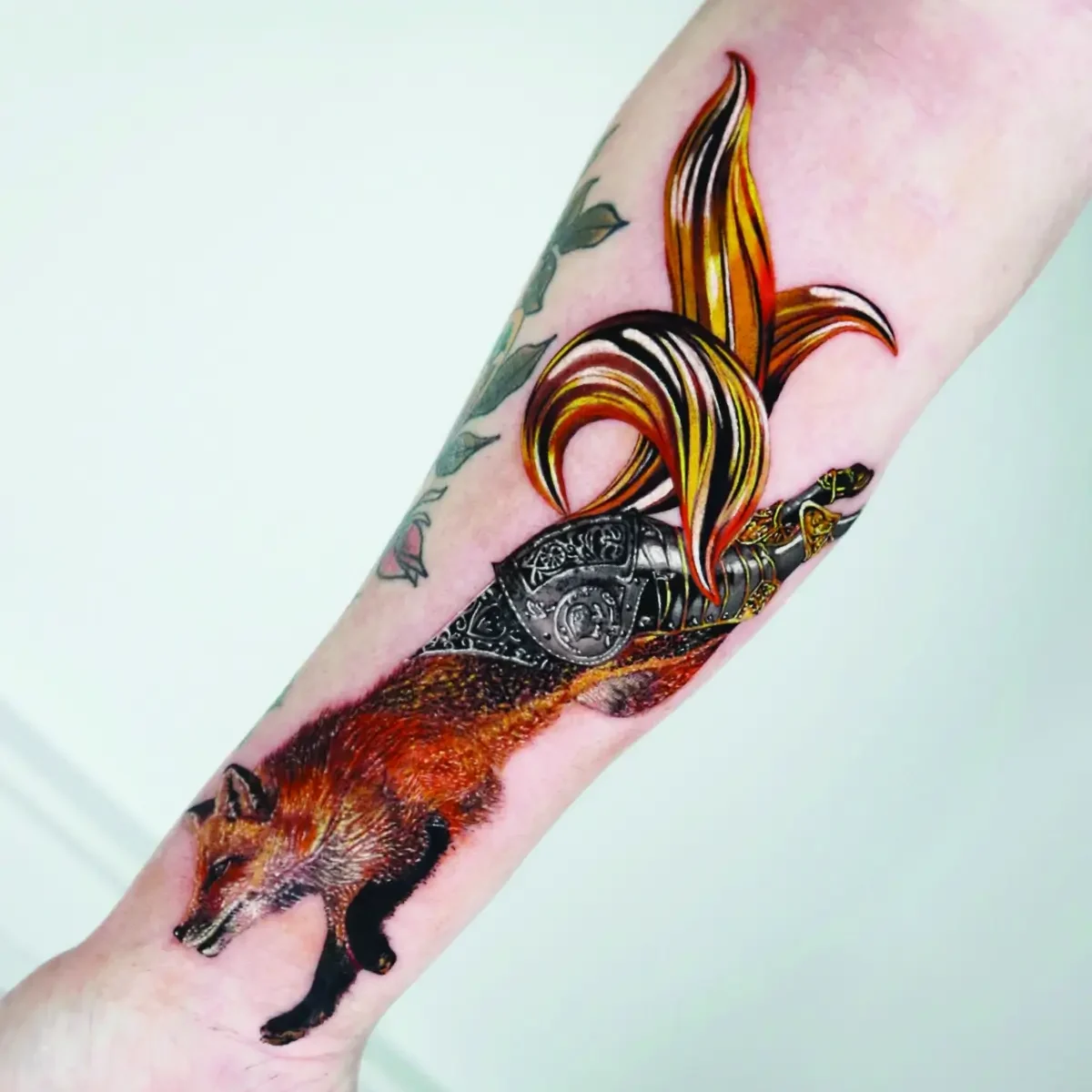
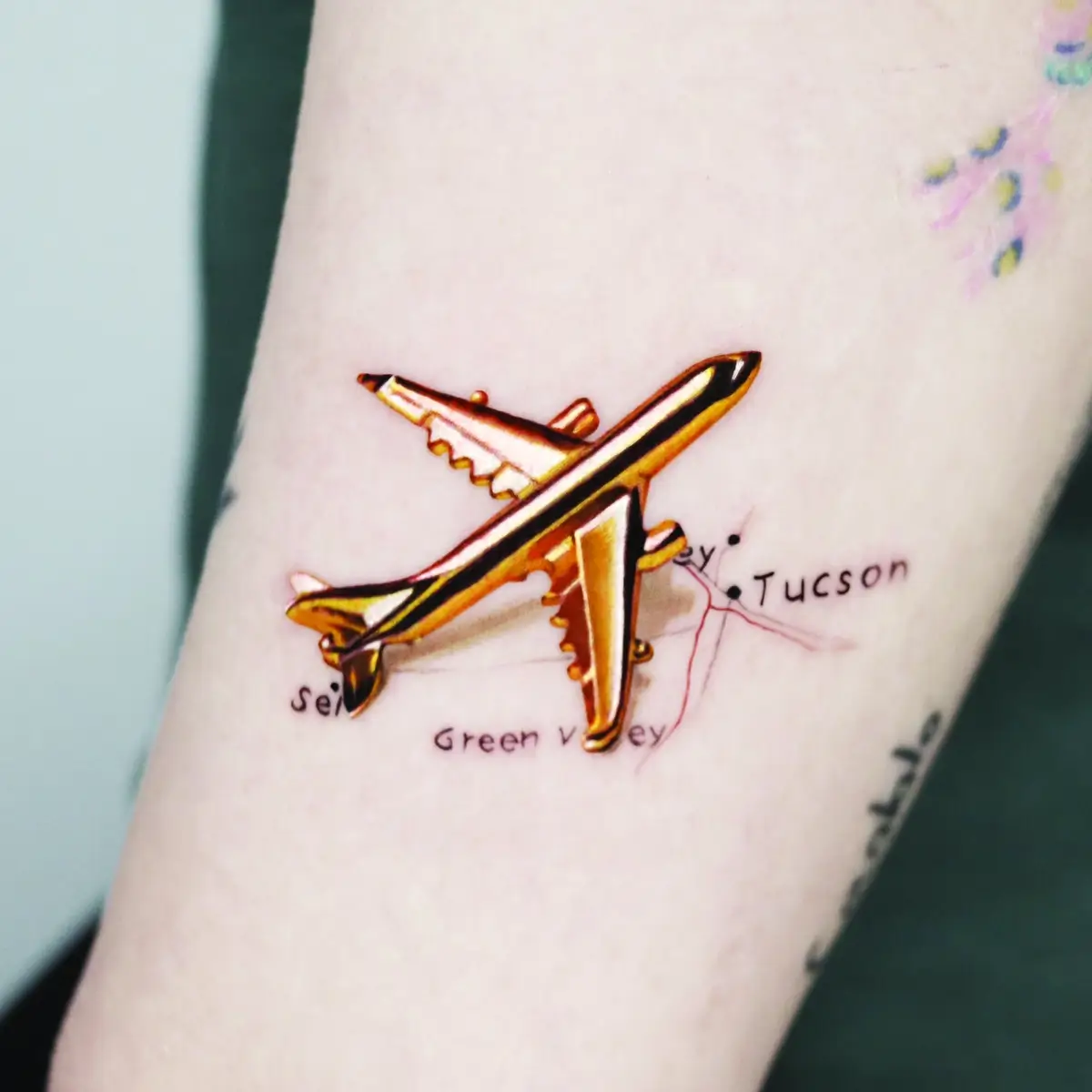
Working at such a small scale presents unique technical challenges. Akermo, who specializes in narrative-driven, large-scale artworks made of several micro-realism motifs, explains that the biggest technical challenge is developing enough experience to know what will heal well and how to determine the best image, size, and placement. “Only through experience can you know how small you can push a size on any given body part to make sure that tattoo looks good in the future,” he says.
The process itself can differ slightly from both larger realism work and other tattoo styles. “While contrast is easier to achieve at a larger scale, it’s still very important with smaller pieces,” Godfrey explains. “I take a slower approach with my process in order to build layers of textures and detail, turning down my machine voltage and using smaller needles to build tones.”
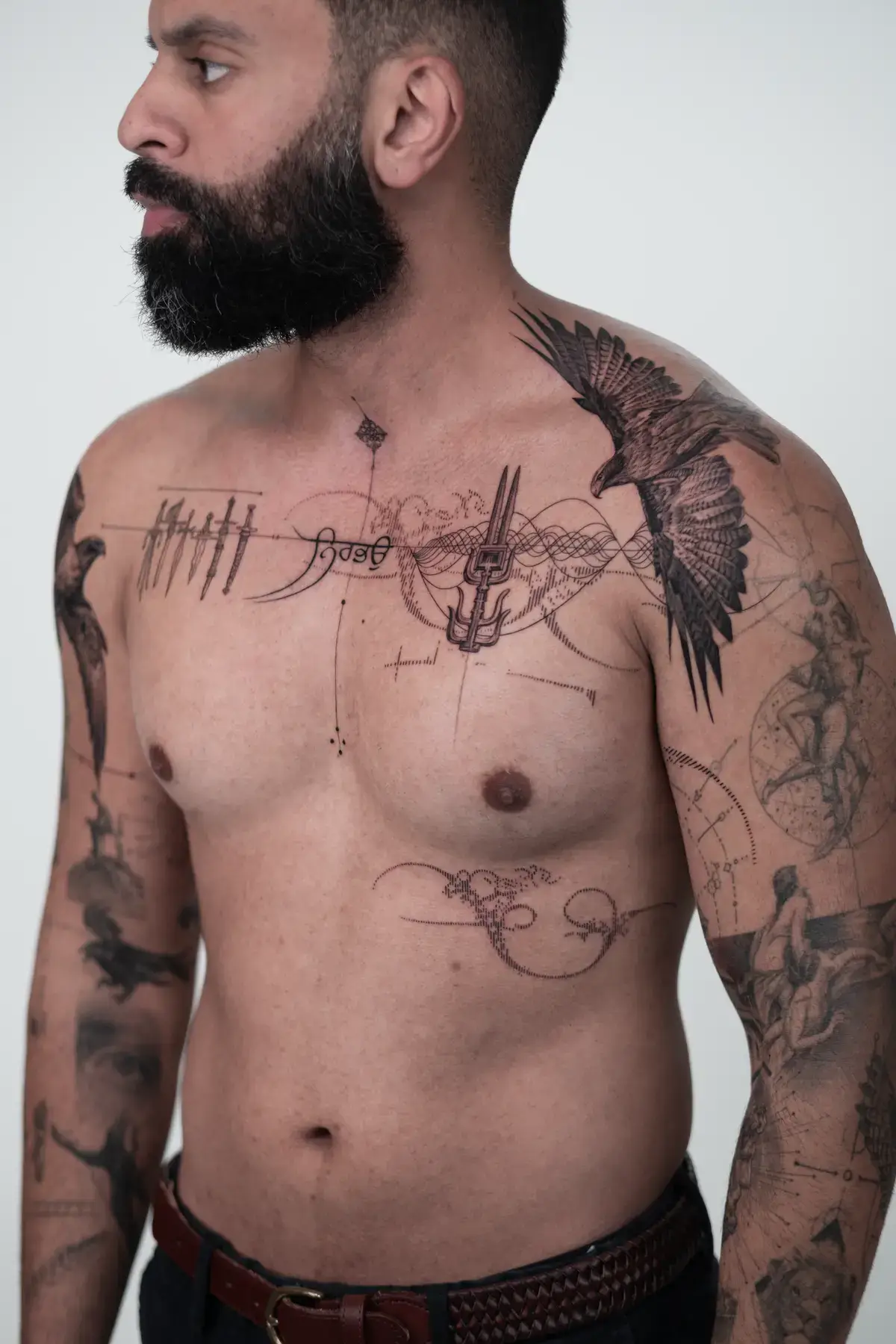
The execution of micro-realism can be very demanding. “It requires a high level of concentration,” Jooa says. “Because every small detail has to be carefully checked, it can be visually tiring over time. Needle control needs to be extremely precise, and even minor mistakes or inconsistencies become immediately noticeable in the final result.”
While this may seem like it could put more pressure on artists, Jooa says she doesn’t feel this way. “It’s less about the size or level of detail, and more about how accurately and properly the overall piece is executed,” she explains.

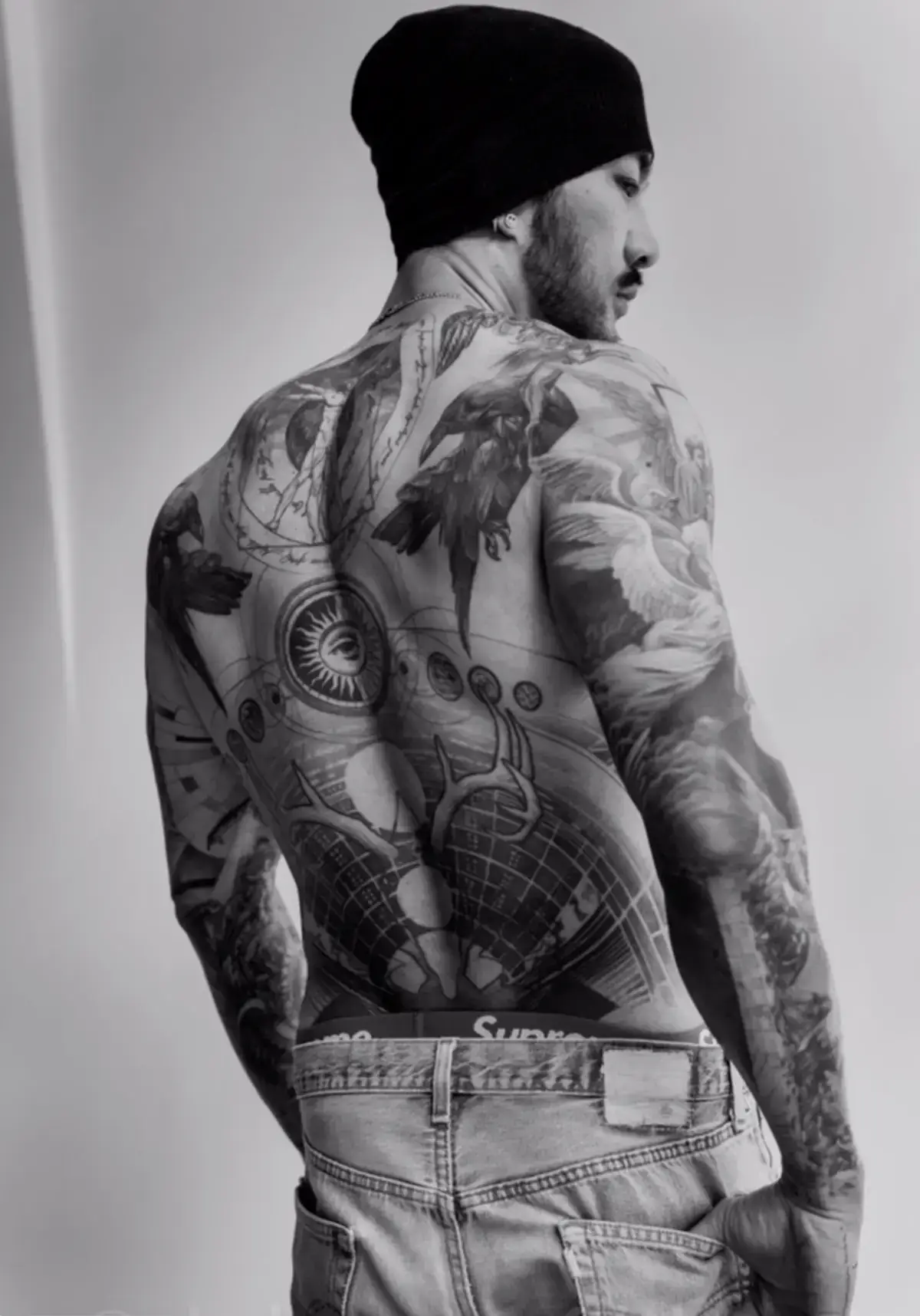
Many artists are drawn to the challenge. “The most exciting part of working in micro-realism is designing something nerve-wracking that you love,” Akermo says, highlighting his experience in producing a full upper body piece for a client from China. It took around 27 sessions, with travels to Shanghai, L.A., and Sweden to do the work. “Seeing all the hours of work, the designing, and those separate sections — each its own little universe — come together into a coherent whole was one of my most artistically satisfying moments.”
The Miniature Mindset
Artists often connect the rise of micro realism to changing client preferences. “I think it can be a personal preference to get something small that can maybe be hidden, something sentimental that can be more for them as opposed to a statement piece, which is more on display,” Godfrey says.
Godfrey says social media has played a role in attracting audiences and increasing demand for micro-realism tattoos. Akermo highlights that social media has its downsides, too, noting that he sees other artists posting edited photos of their healed works. “There’s always going to be a few bad actors in any field, but this can create difficulties in managing client expectations if they’re putting out falsely photoshopped representations of what can be achieved,” he says.
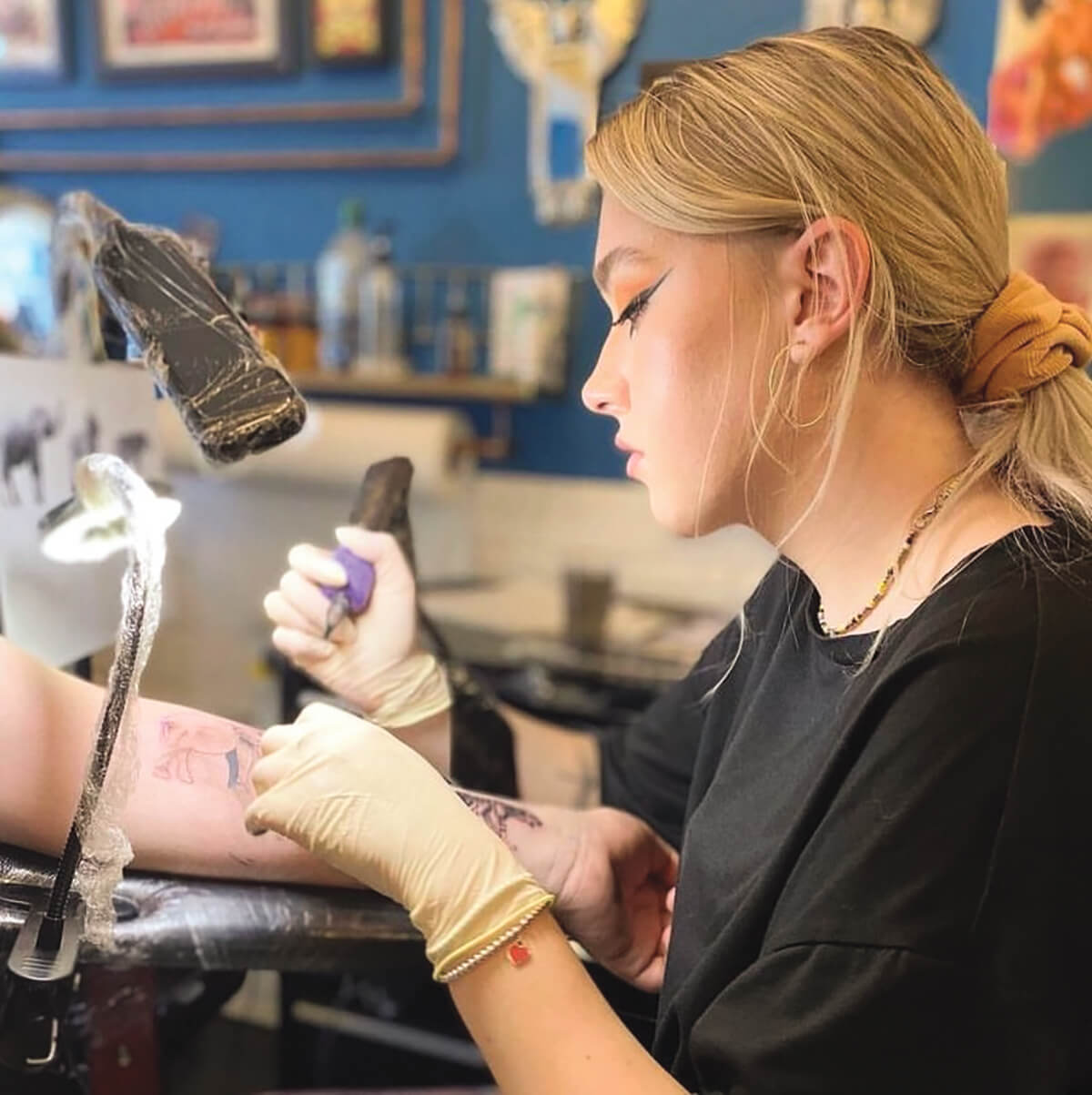
Reference images can be useful tools for the artist, but clients should have realistic expectations. “Sometimes clients can try to jam too many things into one design. In those cases, I’ll always be honest and advise against it,” Godfrey explains, adding, “I want to be proud of everything I produce while still making sure the customer is happy with the result, and sometimes that requires some compromise to ensure the best outcome.”
Outside of social media, micro-realism can be seen more broadly as a reflection of an ever-changing industry. “Tattoos used to be mainly flash or traditional styles, which many people, including myself, still love,” Godfrey explains. “However, micro-realism is almost the complete opposite, demonstrating how far this industry has come, and how it has developed to cater to more tastes.”
The Longevity Question
Despite its popularity, micro-realism remains open to debate within the tattoo industry, with some artists claiming that micro-realism tattoos will require touch-ups or covering after some time.
“Micro-realism doesn’t differ much from larger tattoos in terms of longevity, but because it involves very fine detail, any fading or loss of detail can become more noticeable,” Choi explains. “Loss of detail or fading is not unique to micro-realism, and, ultimately, if the ink is properly and correctly placed, most tattoos will hold up well over time.”
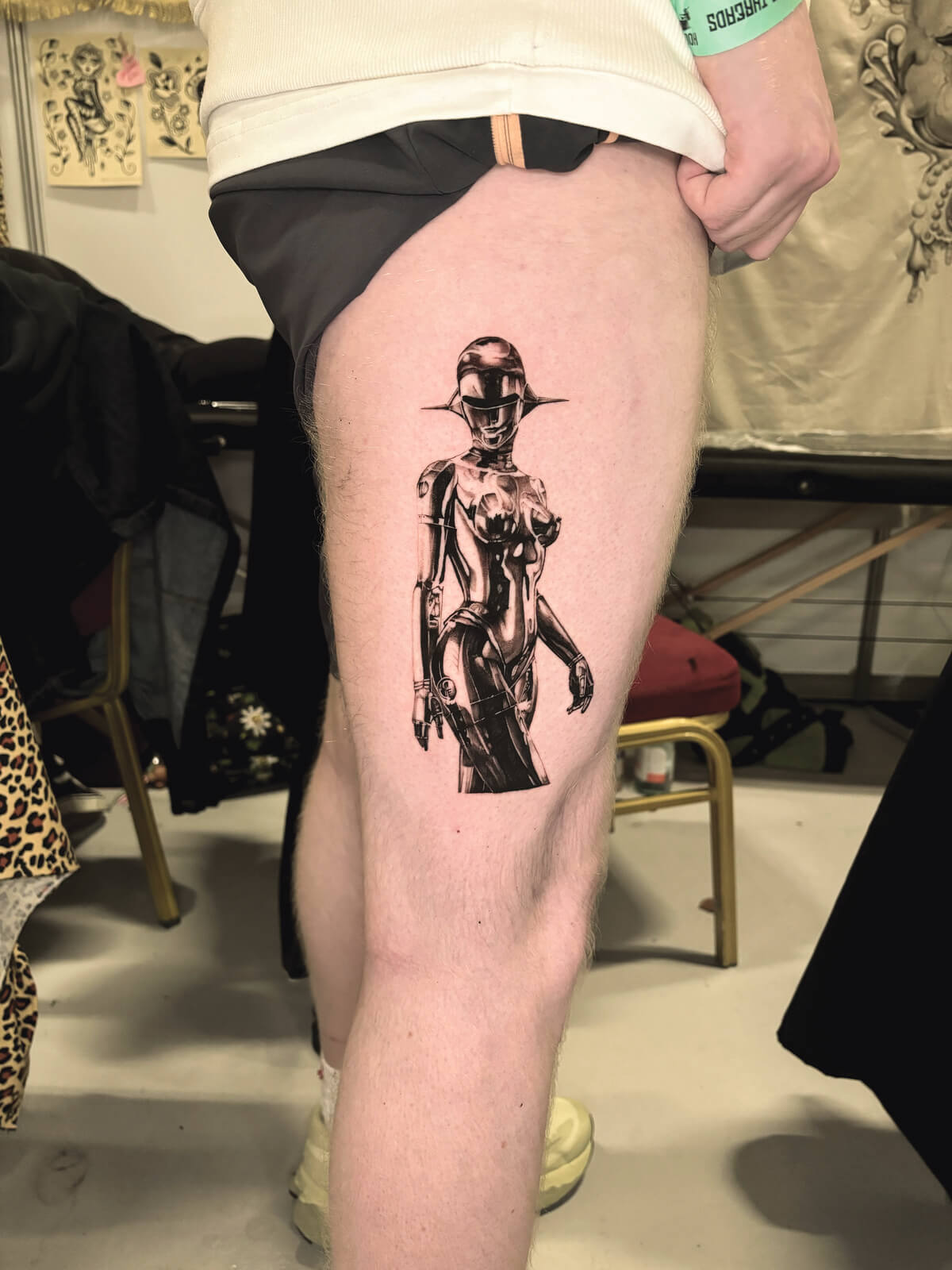
Micro-realism is a style reflective of the growing influence of precision, personal tastes in art styles, increasing trends of subtle aesthetics, and modern tattoo culture. It is a time-consuming style that requires meticulousness and hard work, which is incredibly rewarding for the artists who practice it. “I think that while the style and techniques will last, the terminology will change. Over time, it may evolve and develop into something else entirely,” Akermo says.
“I’m not sure what’s next, but based on recent trends, I’m starting to see old styles make comebacks with a kind of facelift,” Akermo continues. “This seems to go hand in hand with pop culture and resurgences of updated styles. We’re seeing more refined and intricate barbed wire tattoos as a resurgence from the 90s, and I believe with things like this, we’ll see these older trends become more incorporated into micro realism.”
Editor's Picks
More From Culture
When the Relationship Ends but the Tattoo Stays
October 7, 2026
Marina Volk’s Painterly Color Realism Is Made for the Body
October 7, 2026
Automation Should Take the Paperwork and Leave the Craft Alone
October 5, 2026
The Best Kind of Rebellion Is the Kind You Can Taste
October 1, 2026