Inked Mag Staff
April 21st, 2026
The Tattoo Artist Turning Fine Lines Into Wearable Jewelry
How one artist is pushing fine line beyond placement and into permanent body design
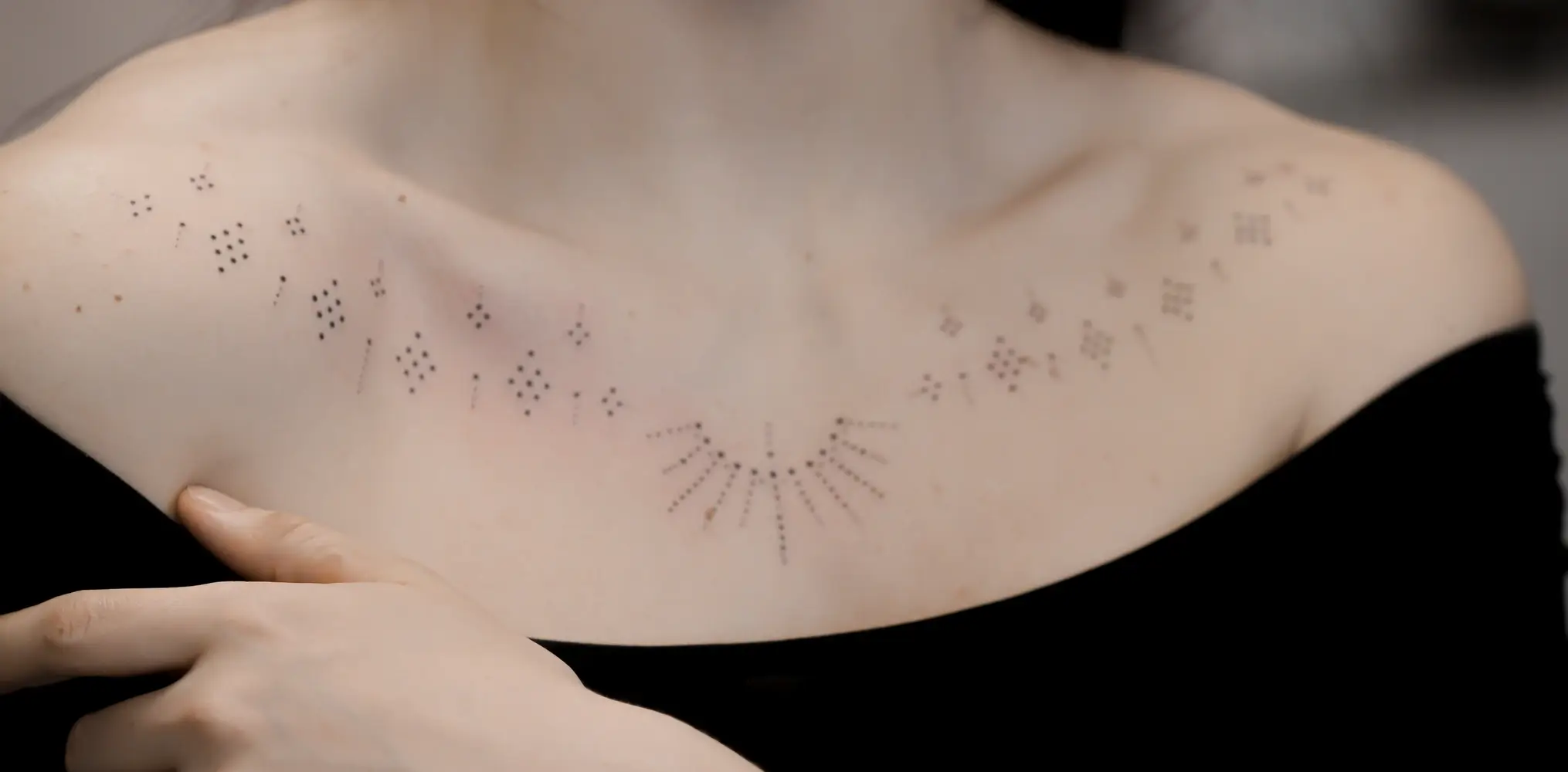
Fine line tattooing is moving fast right now. As demand pushes artists toward quick, minimal designs built to look good online, placement and longevity often come second. Julia “Gillian” Sakina is working against that shift, building tattoos meant to age well on the body.
She doesn’t approach fine line as a style. She treats it as structure.
Sakina’s work centers on what she defines as “Jewelry Body Design,” a method that starts with anatomy and builds outward. Placement comes first. Every line, gap, and transition is mapped to how the body moves and how the tattoo will age. The goal isn’t impact on day one. It’s how the tattoo settles over time.
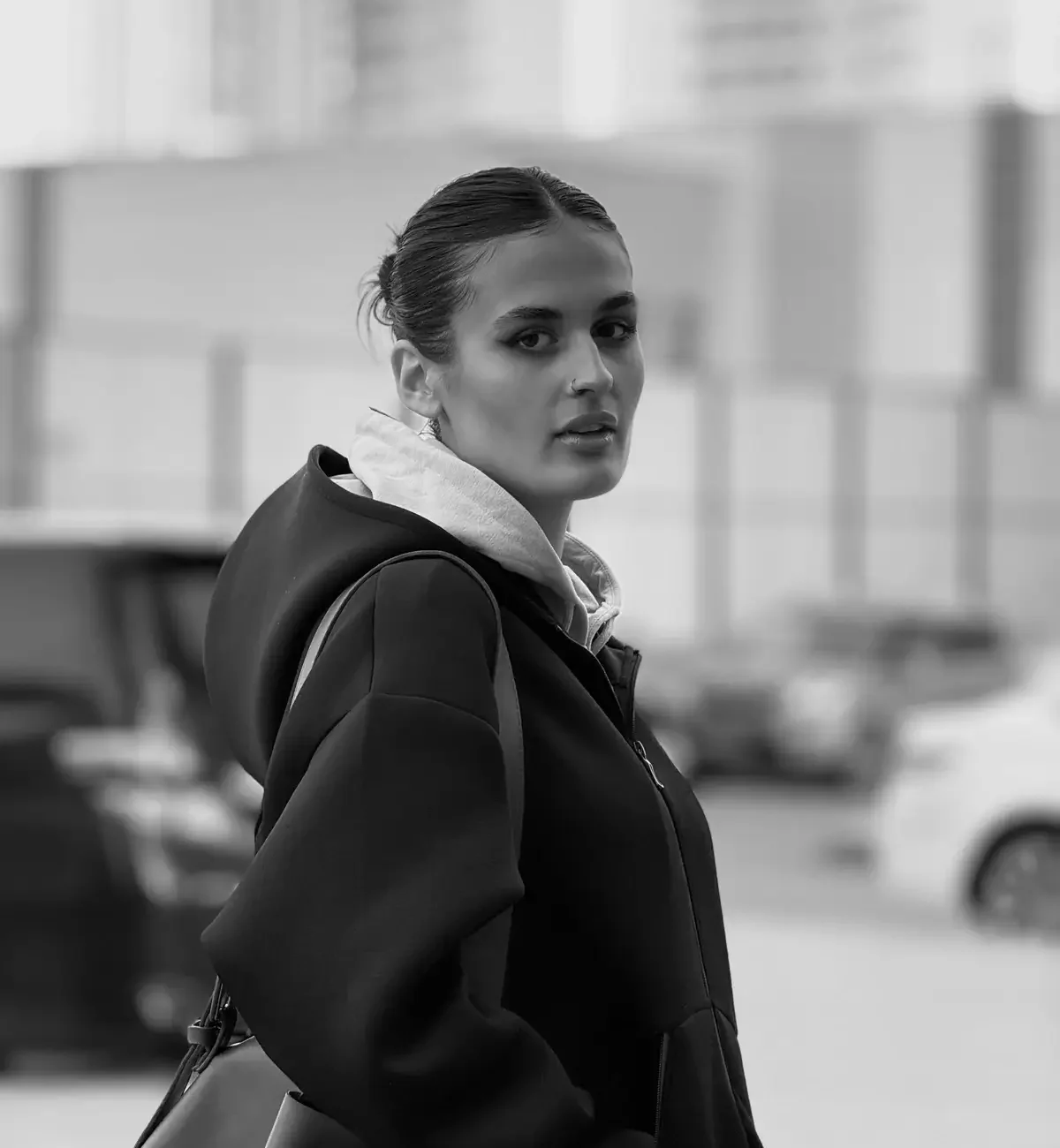
“A tattoo should complement a person, not distract from them,” she says. “If it takes all the attention, it’s not working with the body.”
That approach runs against a large part of the current market, where speed and visibility often drive decisions. Sakina’s process is slower by design. She doesn’t turn designs around the same day. She builds multiple options, steps away from them, then comes back with a fresh eye before sending anything to a client. It’s a way to slow clients down and keep herself from rushing decisions.
Her introduction to tattooing came seven years ago while traveling through Bali, but working on real clients changed how she thought about it. She became less interested in standalone imagery and more focused on how tattoos live on the body over time.
That shift deepened after becoming a mother.
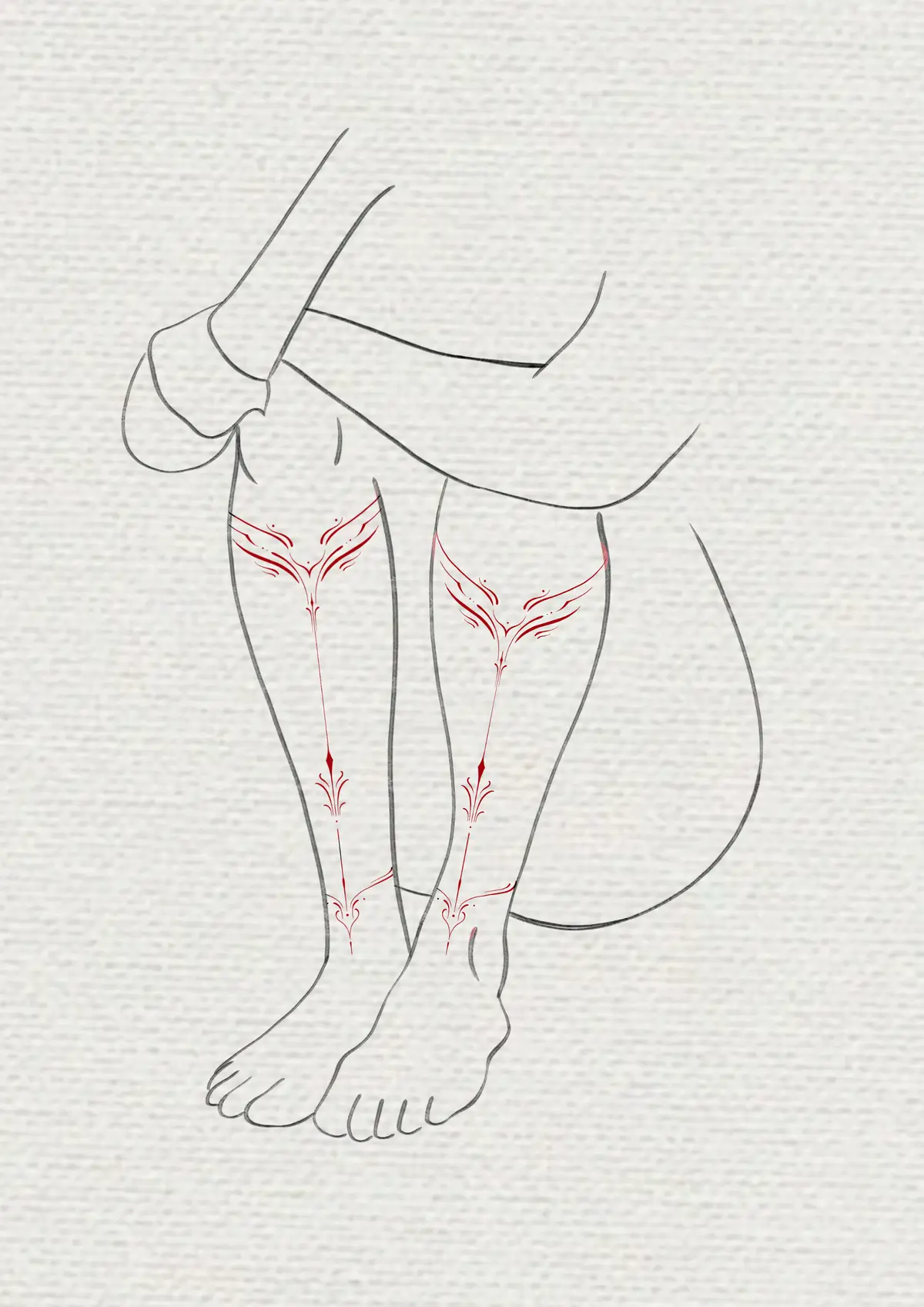
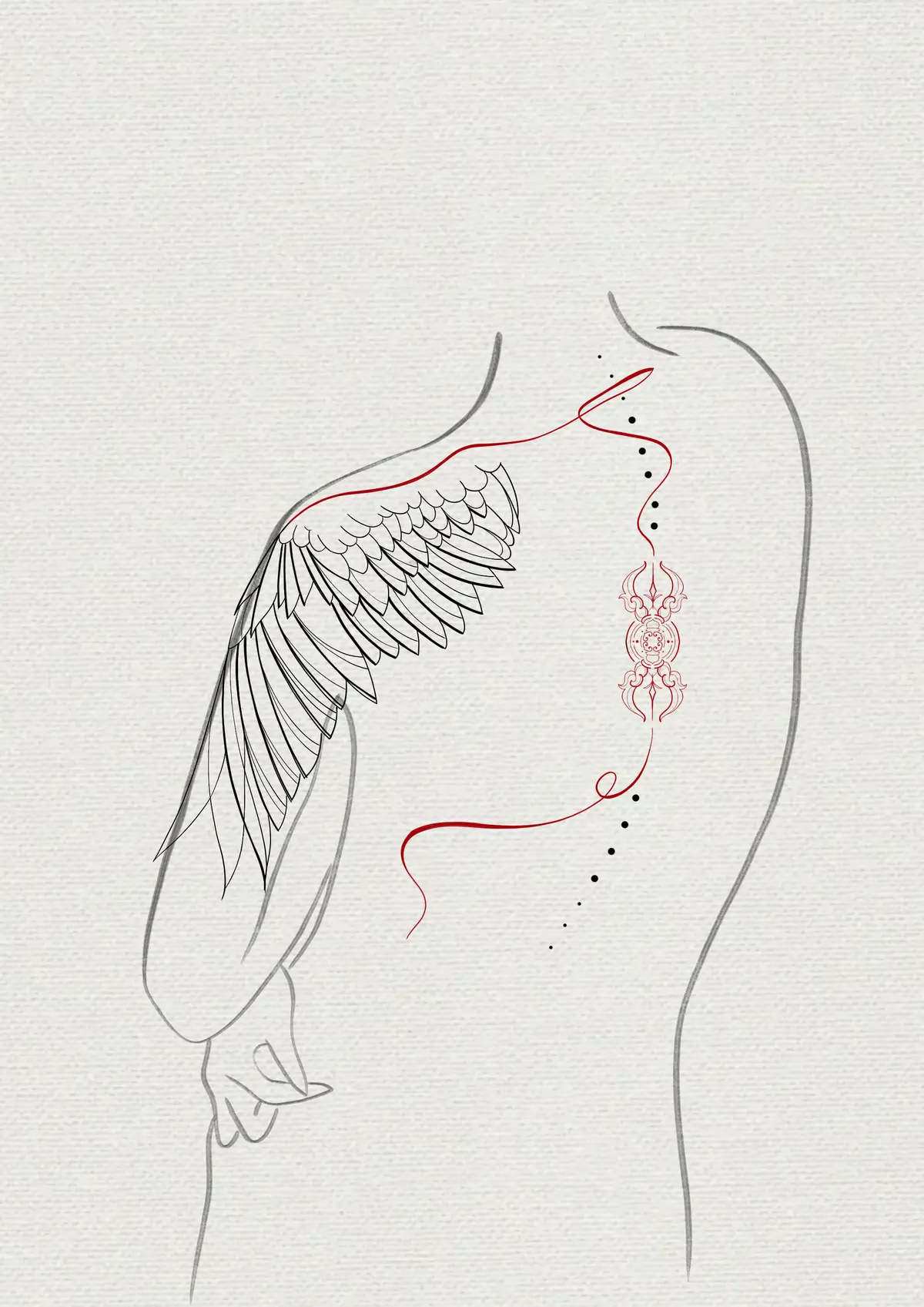
Studying the female form more closely, how skin moves, how curves affect composition, how tattoos heal, reshaped her approach. Instead of designing for flat reference points, she began building pieces that move with the body. The result is work that looks different when the body moves, something often overlooked in fine line portfolios.
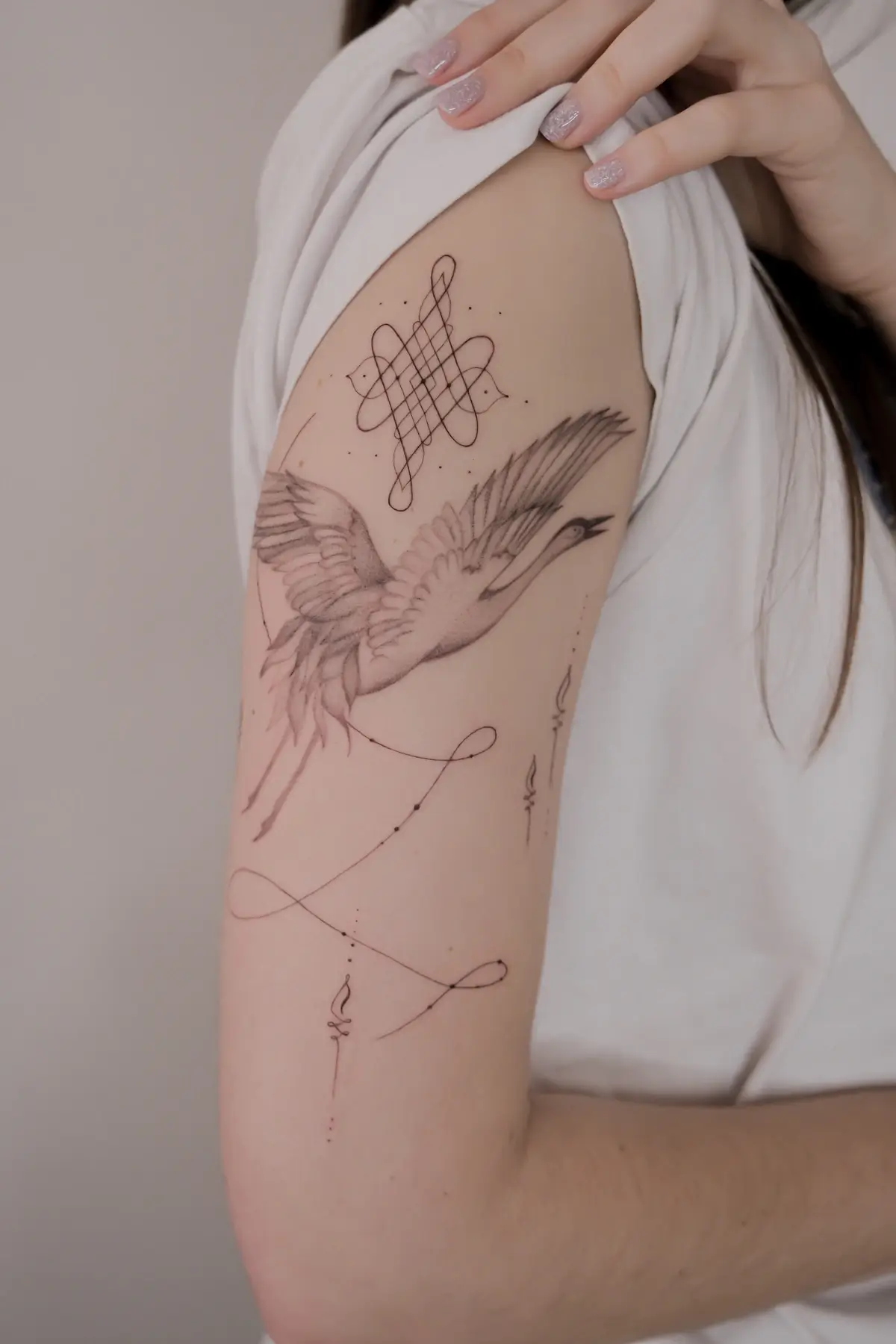
Most of her clientele reflects that shift. The majority are women looking for work that feels integrated rather than applied. Ornamental patterns, florals, and dragons appear often, but they are built along bone structure and natural lines, not placed as standalone elements. It’s about knowing when a tattoo should stand out and when it should sit back.
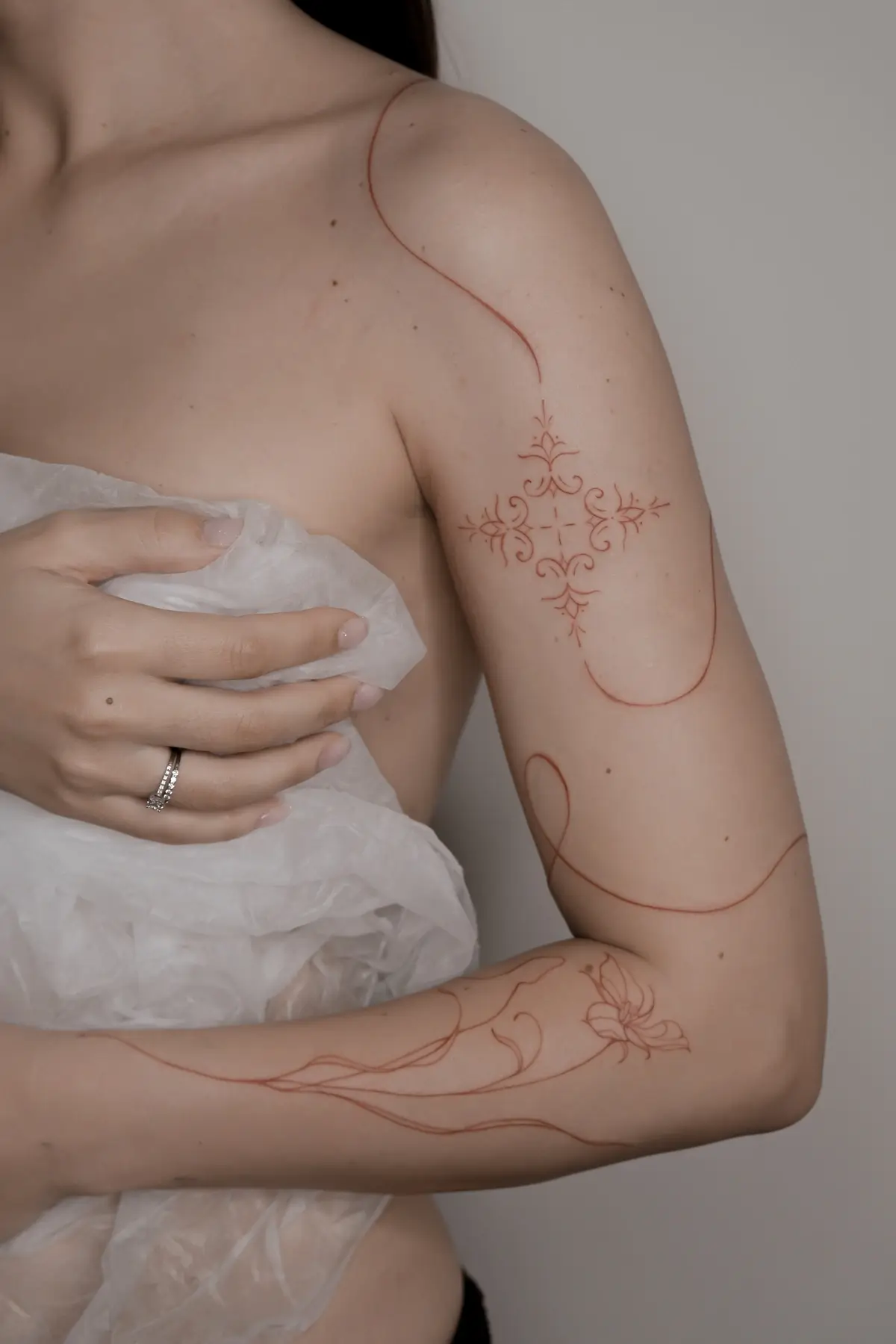
Her influences draw from Buddhist and Tibetan philosophy, later expanding into Chinese motifs and kintsugi-inspired elements, but she’s not copying those references. She’s adapting them to work on skin.
Consultations are part of that process. Sakina doesn’t rely on reference images alone. She asks direct questions about meaning and timing, then builds designs from there.
“In a way, I’m reading the person before I start drawing,” she says. “That’s where the direction comes from.”
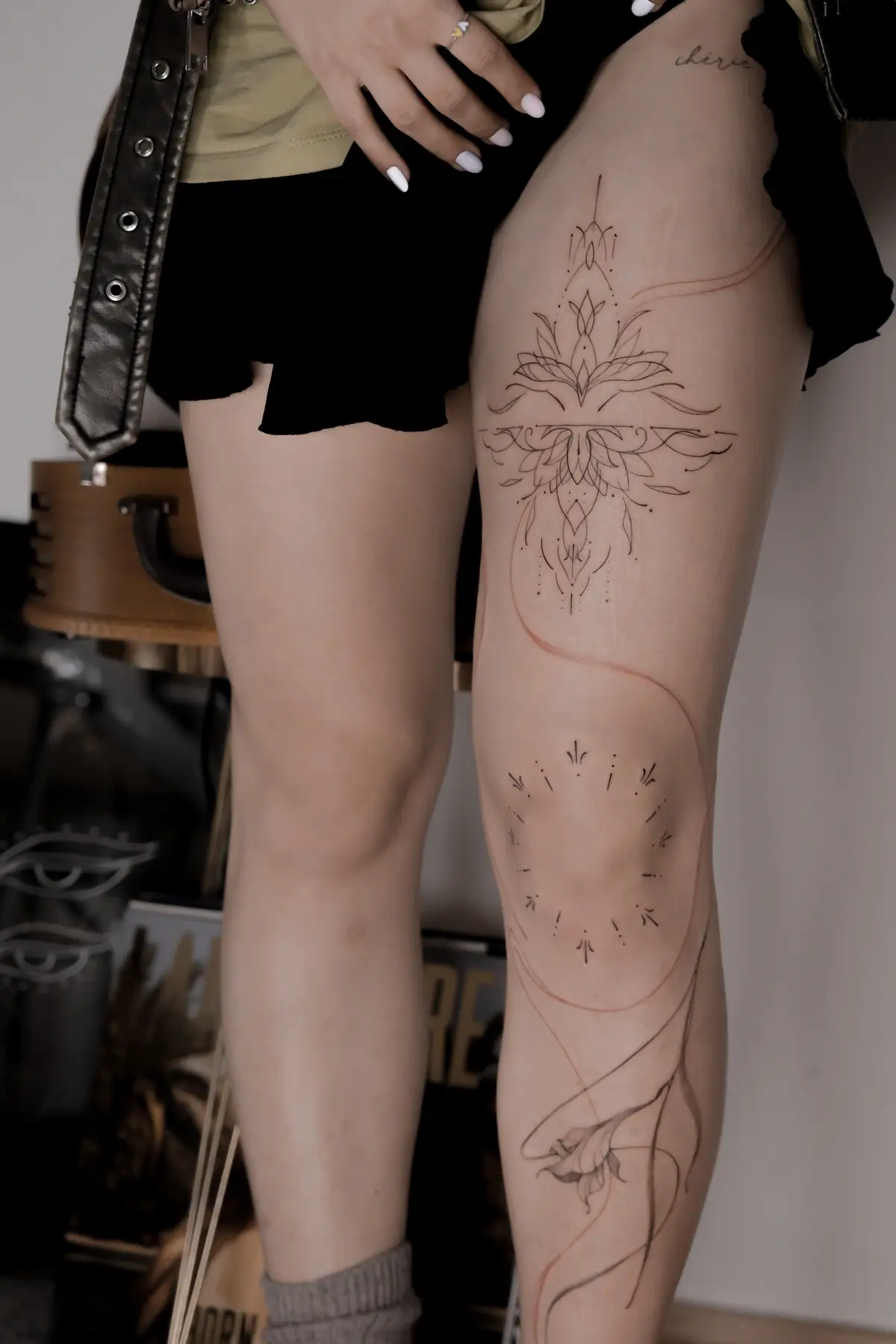
That level of involvement raises the stakes, especially with emotionally driven work. Memorial pieces, family references, or anything tied to a specific moment carry more weight than trend-based designs.
“Those are the tattoos you can’t get wrong,” she says. “People don’t remove them. You carry that responsibility.”
Technically, her setup reflects the precision her work requires. She works primarily with rotary pen-style machines, favoring lightweight builds that allow for controlled, consistent linework over long sessions. Needle groupings stay tight, 1RL and 3RL configurations, with a focus on sharpness and minimal trauma to support clean healing in delicate designs. Black ink remains the base, with occasional red contour work used to introduce contrast without overwhelming the composition.
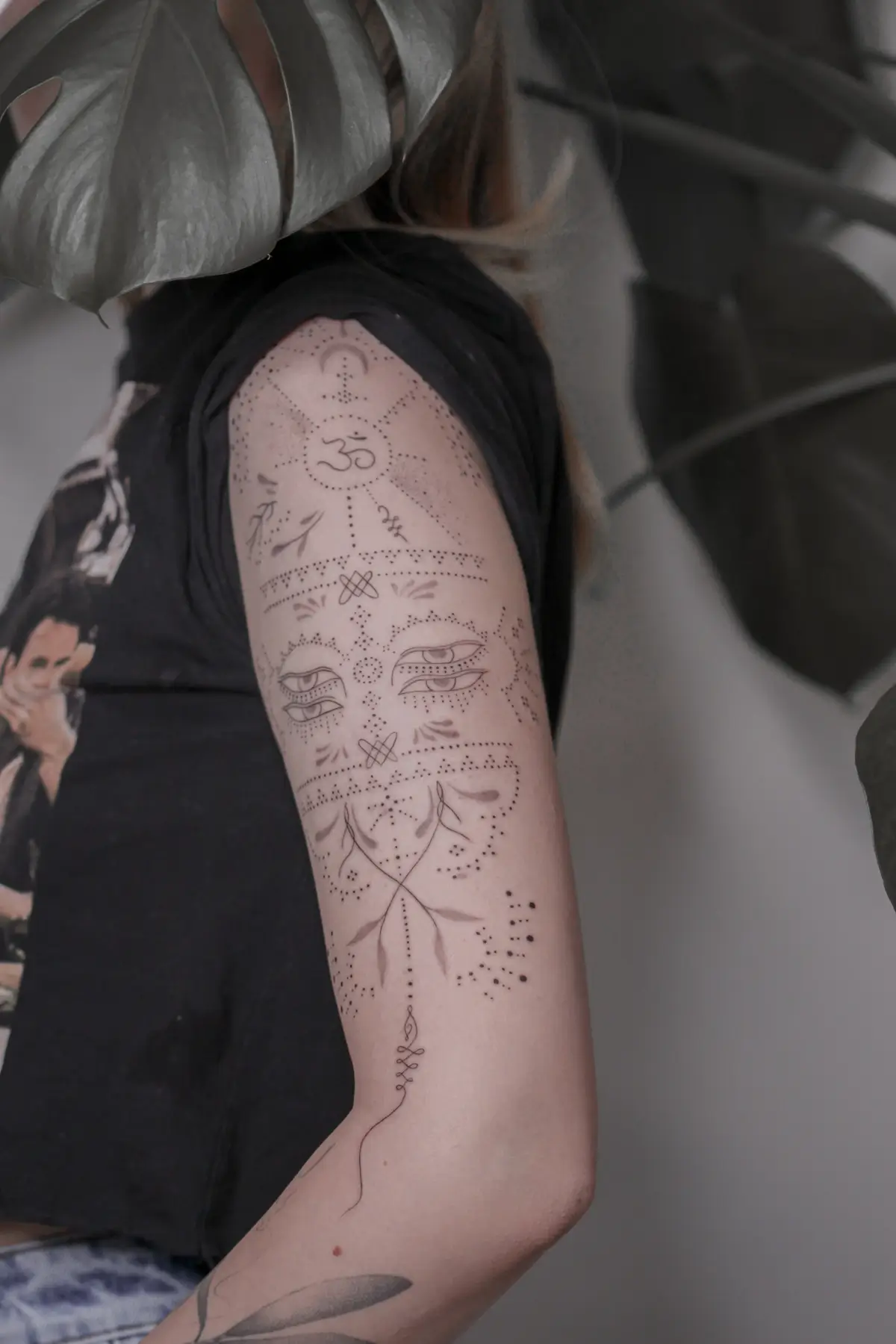
While the work appears delicate, the planning behind it is not. Large-scale ornamental and anatomical projects make up a growing part of her practice, often requiring multiple sessions and a clear understanding of how the design will age across the body.
“The more challenging the project, the more I enjoy it,” she says.
That mindset extends into her role as an educator. What started as teaching a friend has grown into a structured online program with over a thousand students. The focus is not just technical skill, but building awareness around responsibility, placement, and long-term results.
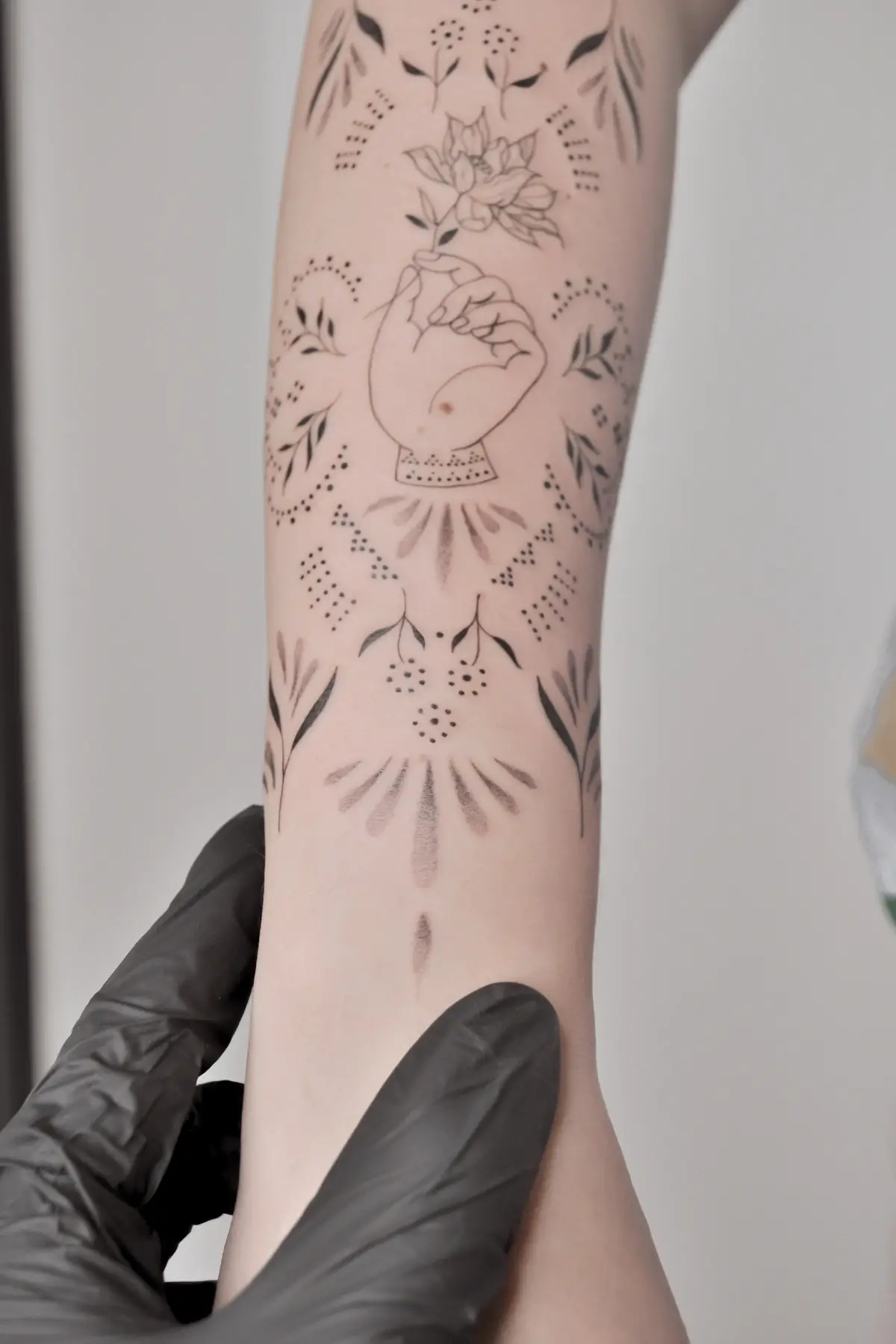
Sakina is direct about the gaps she sees in the industry, particularly how quickly artists are pushed into client work without a strong foundation. Her platform, PROJECT GILLIAN, was built as a response, centered on development, feedback, and long-term growth rather than competition.
More clients are starting to think this way too. They’re paying closer attention to placement, longevity, and how a tattoo fits their body, not just how it looks in a photo.
Sakina’s work lines up with that shift.
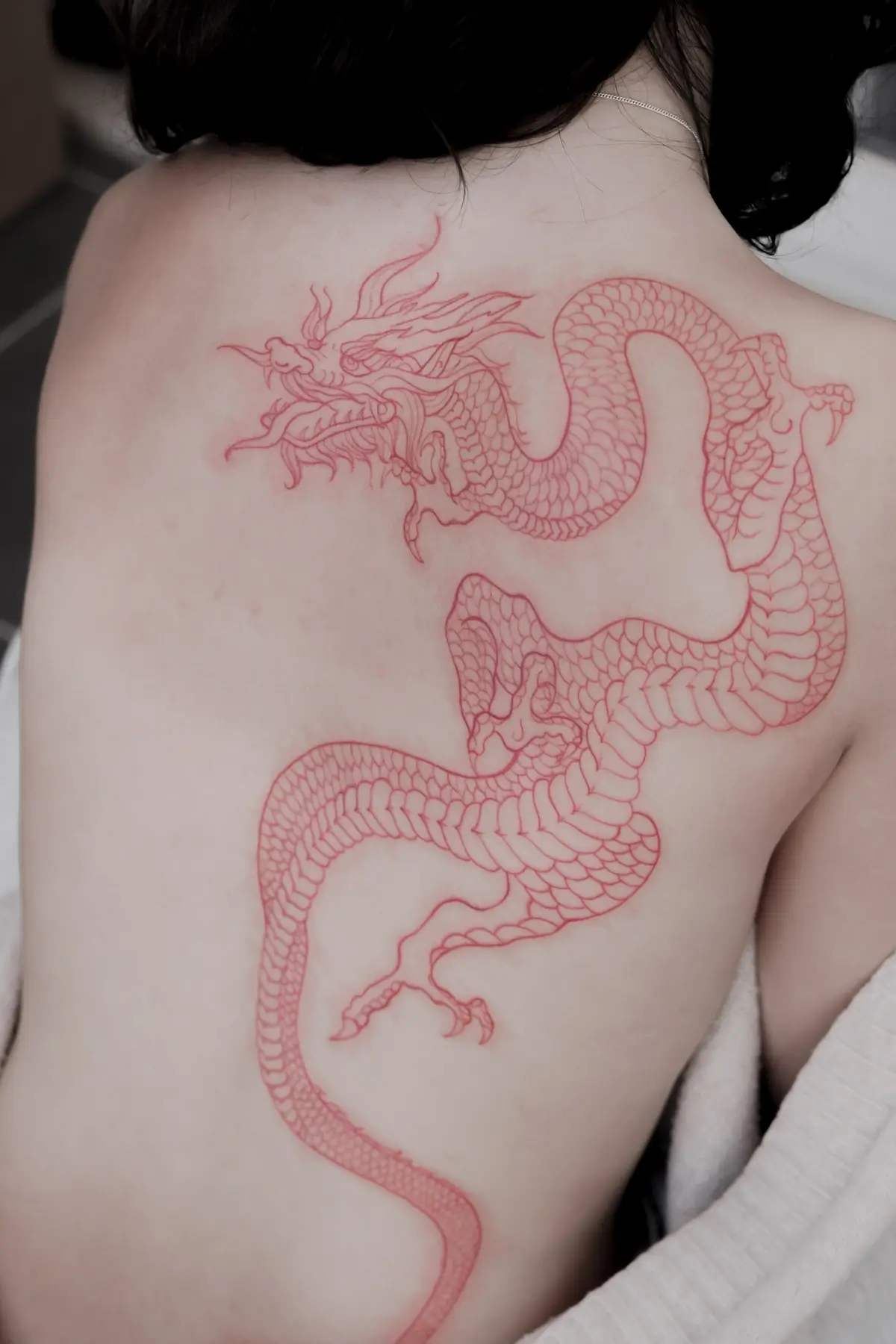
She isn’t rejecting fine line. She’s refining it, removing the disposable edge and rebuilding it around structure, placement, and permanence.
For her clients, the goal isn’t just a clean tattoo today. It’s something that holds up years from now, both visually and over time.
“I want them to look back and feel happy they chose it,” she says. “Not just how it looks, but how it fits them.”
Editor's Picks
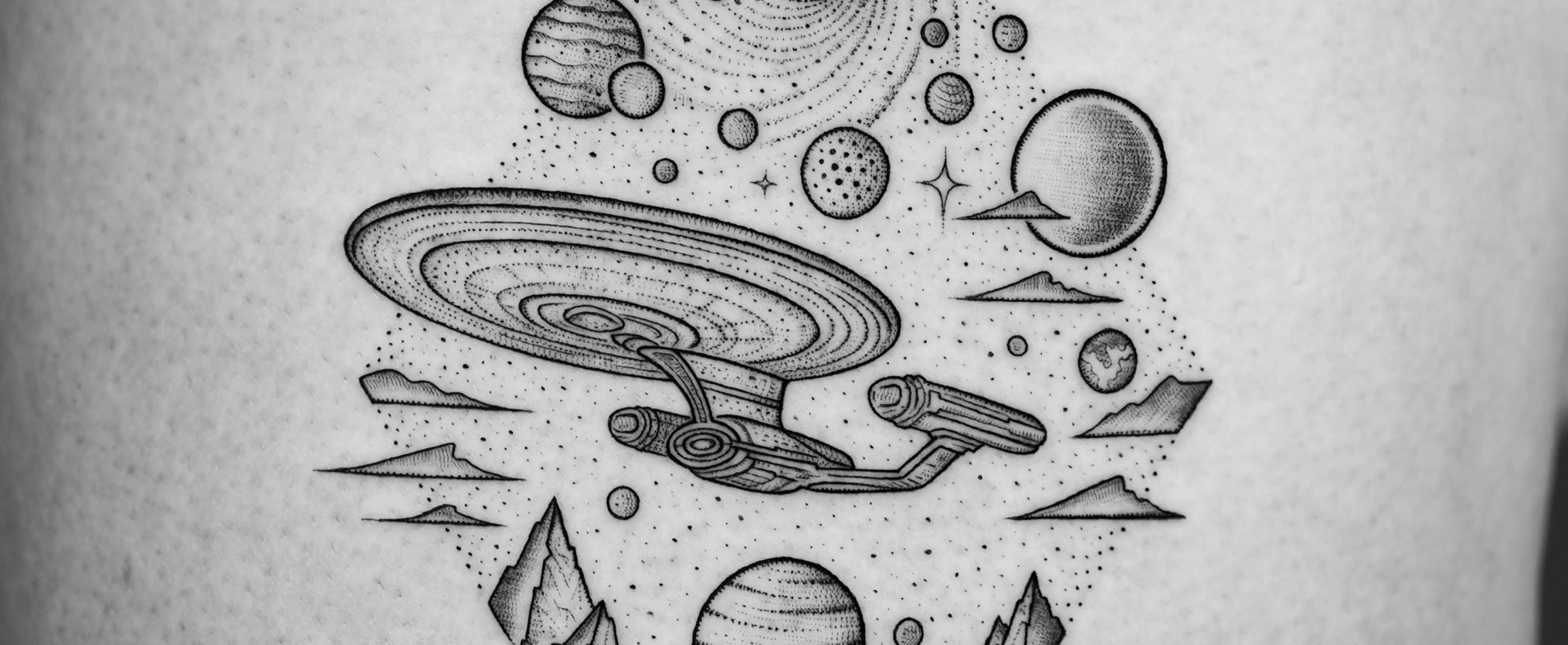
Star Trek Tattoos Every Fan Should See
Celebrating 60 years of Star Trek, these tattoos honor the pioneering spirit, exploration, and lasting legacy of the iconic franchise.
More From Culture

What Happens When the Tattoo Industry Won’t Let You In?
September 21, 2026
5 Tattoo Shop Mistakes That Quietly Cost You Money
September 21, 2026
Realism Reduced and Refined
September 21, 2026
The Tattoo Industry Has Evolved. Why Are Stencils Still Stuck in the Past?
September 17, 2026