Lauren Ertl
September 21st, 2026
5 Tattoo Shop Mistakes That Quietly Cost You Money
From deposits to chargebacks, these overlooked gaps may be hurting your bottom line.
Imagine a potential client reaching out to your artist or shop page over social media DMs. They express a love of your work and eagerly book your next available four-hour block. After spending hours conceptualizing their panel design, communicating back and forth with the client, you assume the piece is ready to come to life. But when the appointment comes around, your chair sits empty for the first 15 minutes. By then, you already know what’s happened. The client has no-showed, and it’s the third one this month.
Situations like this are unfortunately pretty common, and they make it evident that a full appointment book does not always guarantee a shop or artist’s financial health. As studios grow and scale, small operational gaps, many of which are invisible until they create a problem, can impact profitability and customer relations.
Many artists decisively operate from a place of trust. A client says, “I want to book you,” and the artist starts envisioning the piece. But there’s a critical difference between a client expressing interest and actually reserving that time. Without a deposit, the slot remains vulnerable to no-shows and cancellations, leaving the artist and shop unprotected. Plus, if a client does not understand which stage they’re at in the booking process, confusion follows and reflects poorly on the business.
To better understand how payment practices can affect both the business and client experience, we spoke with experts at Paysafe, a leading global payments provider. They shared that “clients today expect a smooth experience from booking and deposits through final payment. Convenience has become part of the overall studio experience.”
For tattoo shops, that starts with making it clear when an inquiry becomes a confirmed appointment and ensuring the deposit status is easy to verify.
While most artists and shops have a clear deposit policy, communication often happens across different channels and people. Things can easily be muddled when there is no uniform explanation of the policy.
Consider, for example, a three-session sleeve. Does the first deposit hold the entire series, or just the first session? If the client reschedules, does the deposit move with them? If these answers change depending on who they ask, a logistical storm strikes.
Of course, there’s no universal “right” deposit amount or structure. Shops operate differently, after all. But whatever your policy is, every person representing the shop needs to explain it the same way, every time. When clients understand consistently what happens to their deposit if they cancel or reschedule, confusion and the potential for lost revenue drop dramatically.
Paysafe’s experts explain, “For many shops, the reality is that a deposit can be recorded in one payment app, a reschedule is discussed over Instagram DM, and the final balance is collected elsewhere. This fragmentation is understandable, but when you need to answer, ‘What has this client paid?’ you’re pulling information from three different places.”
“Many tattoo shops are juggling multiple systems: one for appointments, another for payments, and sometimes another for merchandise or reporting. That can create extra work and take valuable time away from clients.”
A unified payment platform ties every transaction to the specific appointment it relates to and avoids the headache of disorganization or scrambling in front of a client.
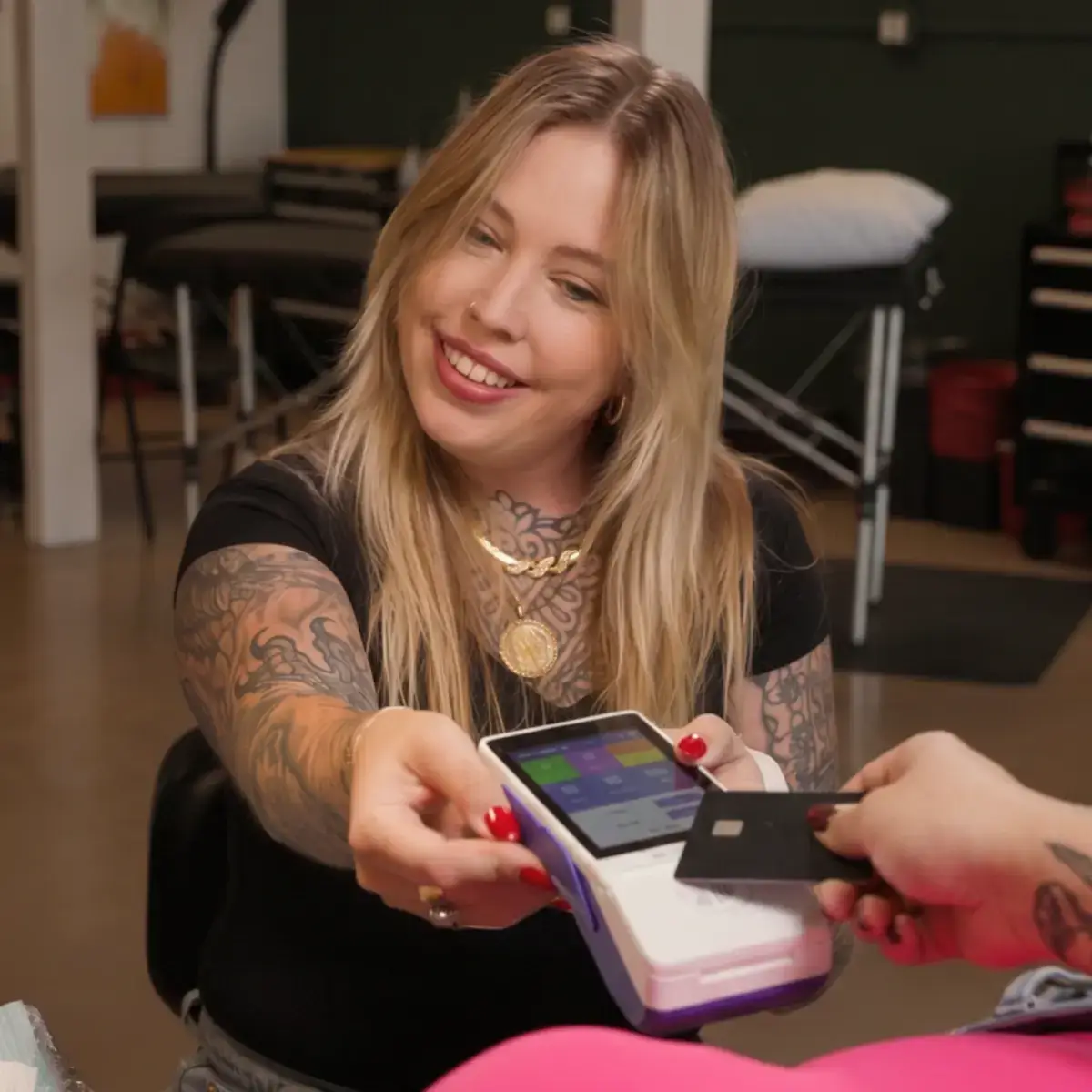
A signed consent form or a “nonrefundable” policy may help document the agreement, but neither automatically prevents a client from disputing a transaction or guarantees that the shop will win the dispute. Chargebacks, transactions challenged by a cardholder or their bank, can happen days, weeks, or even months after the tattoo is completed.
Paysafe explains what’s required to respond effectively to these disputes. “If you’re responding to a chargeback, you’ll need two things: a cover letter explaining your position, and evidence to show the charge was valid. This can include signed order forms, delivery confirmations, transaction records, contracts or accepted terms.”
The real challenge comes when these documents need to be organized and produced quickly. Clear payment records and relevant client communications can help a shop provide a more complete response to a dispute.
Tattoo shops operate under the business model that works best for them. Some shops have employee artists, others work with commission-based artists or booth renters. These flexible structures are part of what makes the tattoo industry work, but they can also create complexity in the cash flow. When you need to issue a refund, apply a deposit to a rescheduled appointment, or understand your financial position, it is headache-inducing and can harm the business over time.
Payment platforms such as Paysafe can provide visibility into deposits for future appointments, completed services, tips, refunds, and fees all in one place. Having a clear view of which money is available, which is committed and how artist payments factor in can provide valuable peace of mind for shop owners. And as the experts put it, “Using a single solution for deposits, payments, tips, and reporting can save time, improve visibility in your business, and create a better experience for clients.”
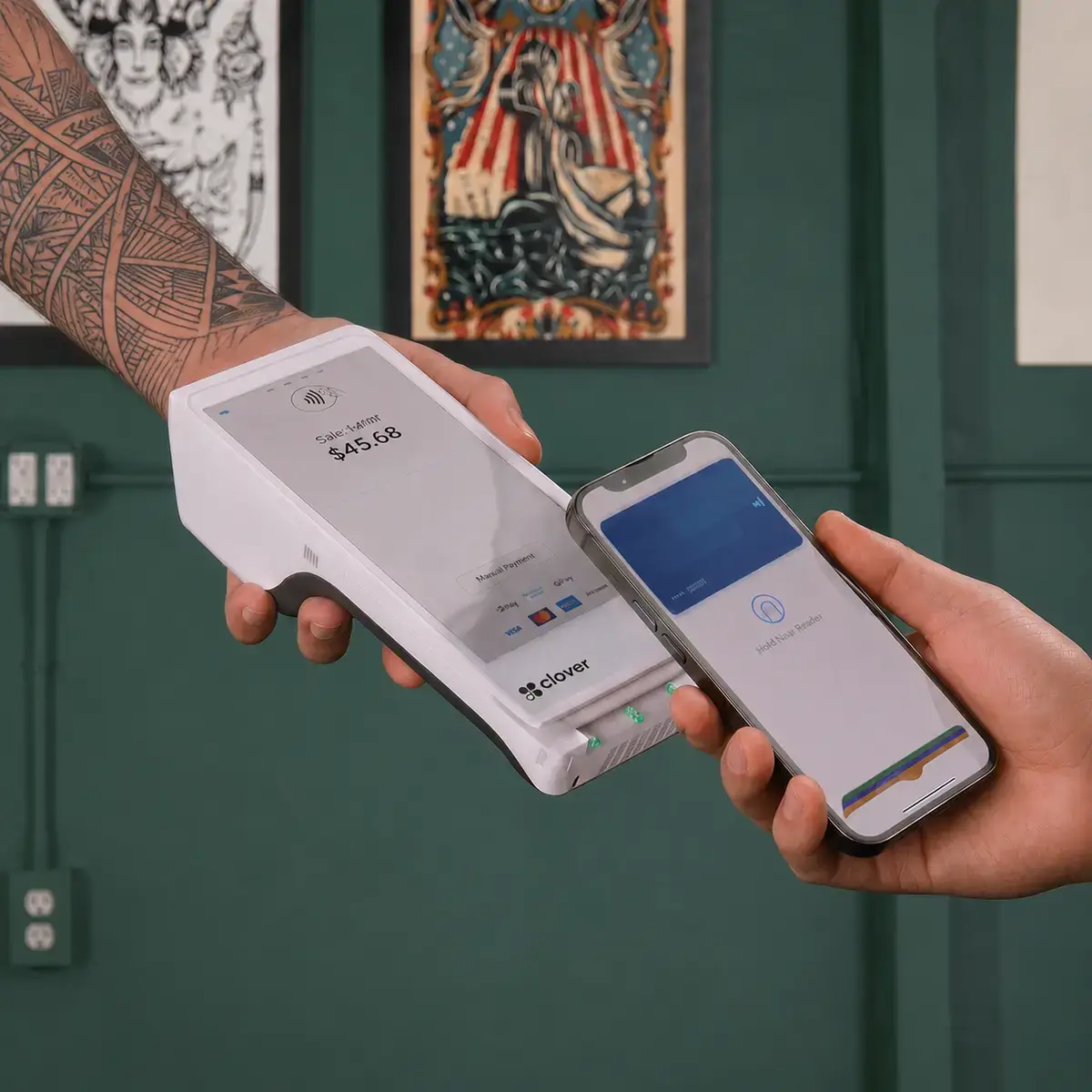
Thankfully, none of these problems require massive overhauls, just a clear determination of how a client’s entire journey from booking to completion will be documented. Payment technology can help shops create that consistency and maintain clearer records throughout the client journey. The platform consolidates deposits, payments, tips, merchandise sales, and reporting into one place. Clients see one booking process and one clear record of what they’ve paid. Shops and artists see immediate visibility into their cash position.
Ultimately, the fewer systems you have to manage, the more time you’ll have to focus on building your business, serving your clients, and growing your reputation as an artist.
Editor's Picks

Marina Volk’s Painterly Color Realism Is Made for the Body
Drawing on classical painting, she uses light, controlled color and composition to turn each client’s idea into a tattoo that belongs to its wearer.
Automation Should Take the Paperwork and Leave the Craft Alone
Apprentice was built inside a Philadelphia tattoo shop to handle the admin that eats artists’ time. The art stays with the artist.

What Happens When the Tattoo Industry Won’t Let You In?
The artist who couldn’t find a way in is now opening doors for the women coming next.
More From Culture
When the Relationship Ends but the Tattoo Stays
October 7, 2026
Marina Volk’s Painterly Color Realism Is Made for the Body
October 7, 2026
Automation Should Take the Paperwork and Leave the Craft Alone
October 5, 2026
The Best Kind of Rebellion Is the Kind You Can Taste
October 1, 2026