Lauren Ertl
November 2nd, 2026
Culture Wars Had an Album Ready. Then Everything Changed.
After playing to massive crowds across Asia, the alt-rock band made a risky decision to rewrite their debut record. Now, they’re revealing how tattoos, mistakes and reinvention helped shape Don’t Speak.
Scrapping half a completed record to start over is the musical equivalent of blasting over a bad tattoo, but for Culture Wars, the rewrite of their debut album “Don’t Speak” was essential.
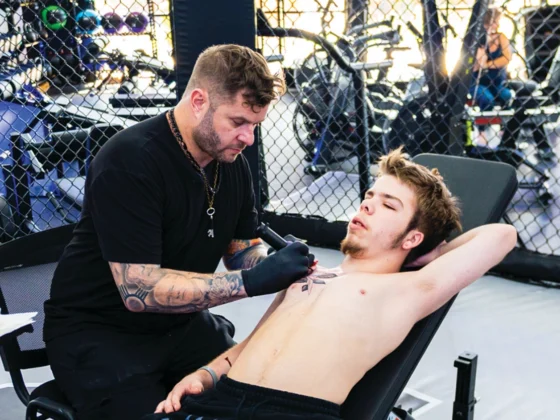
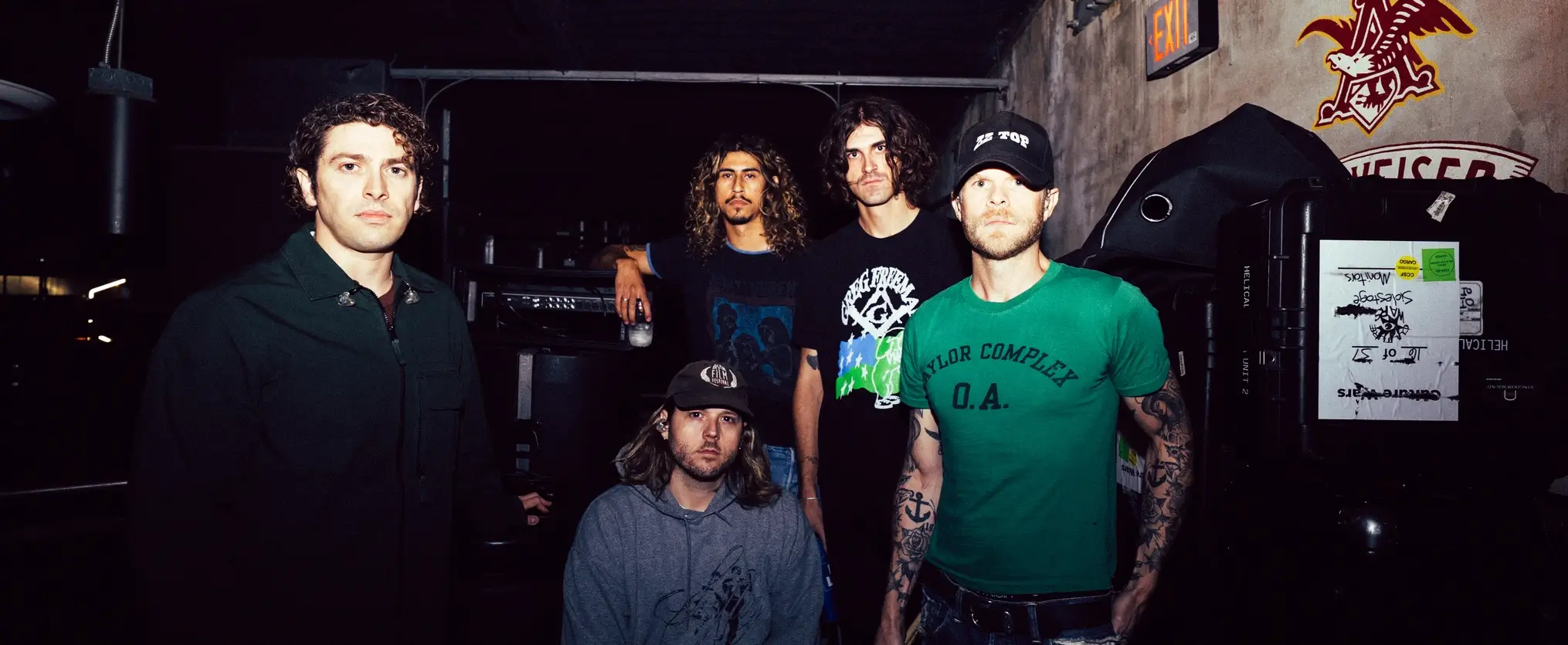
Every tattoo is a decision about who you were at a specific moment in time. Whether it is an impulse decision made at 18 or a meticulously planned piece, body art acts as a permanent record of past mindsets: mistakes, growth and all. For the alt-rock band Culture Wars, bringing their debut record into the world required a willingness to confront earlier versions of themselves and discard what no longer fit.
After spending years writing, mixing and mastering their debut record, the band found themselves opening for major acts in massive arenas across Asia. Watching 65,000 people react to raw, live energy changed everything. Halfway through the tour, they realized the polished album sitting in their vault did not capture who they had become on stage.
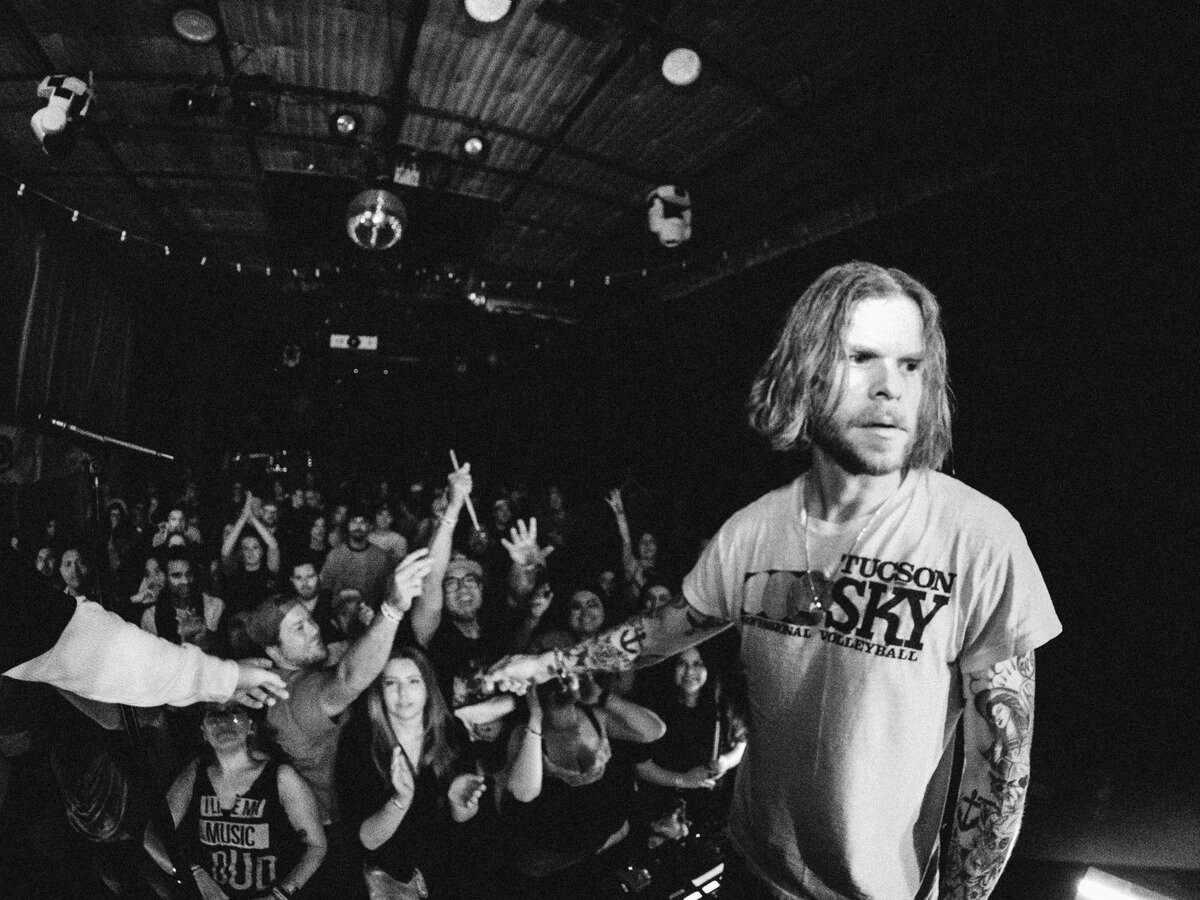
“I specifically remember standing in the audience after our opening set in the sold-out Philippine Arena… leaning over to Alex and saying that we have to write new songs for this album,” recalls Caleb. “There is no album two. Everything we have had to be put into this album to encapsulate everything that we were in that moment in time.”
Frontman Alex says that, although it was a high-stakes decision, he agreed. “Without those shows, I don’t think we’d be anywhere close to where we are now in terms of success. The album would’ve been a lot worse if we hadn’t taken the time to rewrite it.”
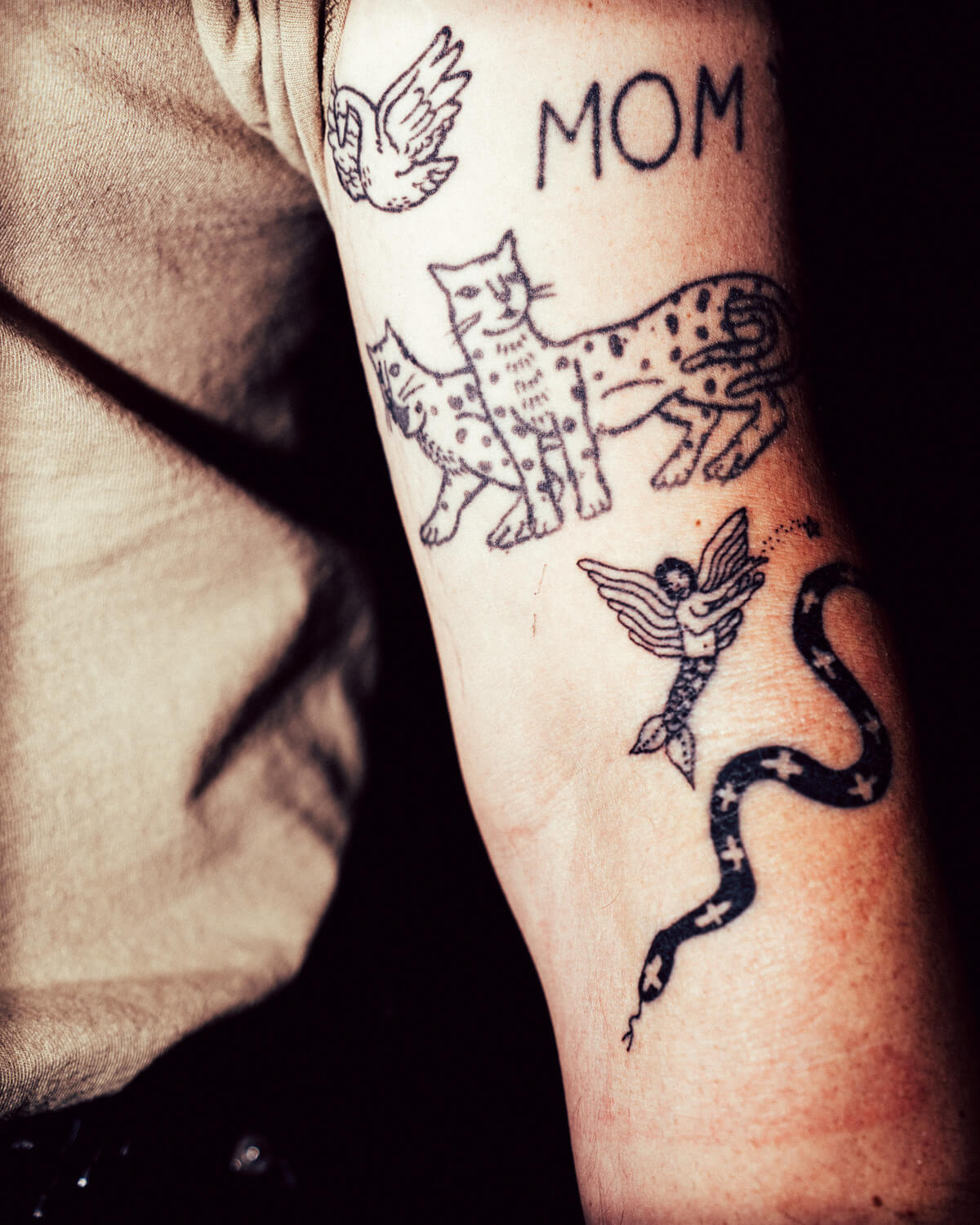
That process of trial, error and reinvention is mirrored in the band members’ tattoos. Dillon admits his first ink, a Hebrew lettering on his arms, was accidentally spelled backwards. “Those are getting blasted over someday for sure,” he says. Dave holds a similar view of his first piece, a bird dedicated to his dog Felix: “While the sentiment is nice, it’s a shitty prison tat. I’m definitely going to get it removed and get something nicer in his memory.”
Of course, not every tattoo demands heavy meaning or deep backstories. Guitarist Josh understands this well. While touring in Japan, he collected a custom wrist piece using Google Translate across the table with an artist in Osaka: “I subscribed to the idea that tattoos needed to look great forever. Joke’s on me, some of my first tattoos look terrible now.”
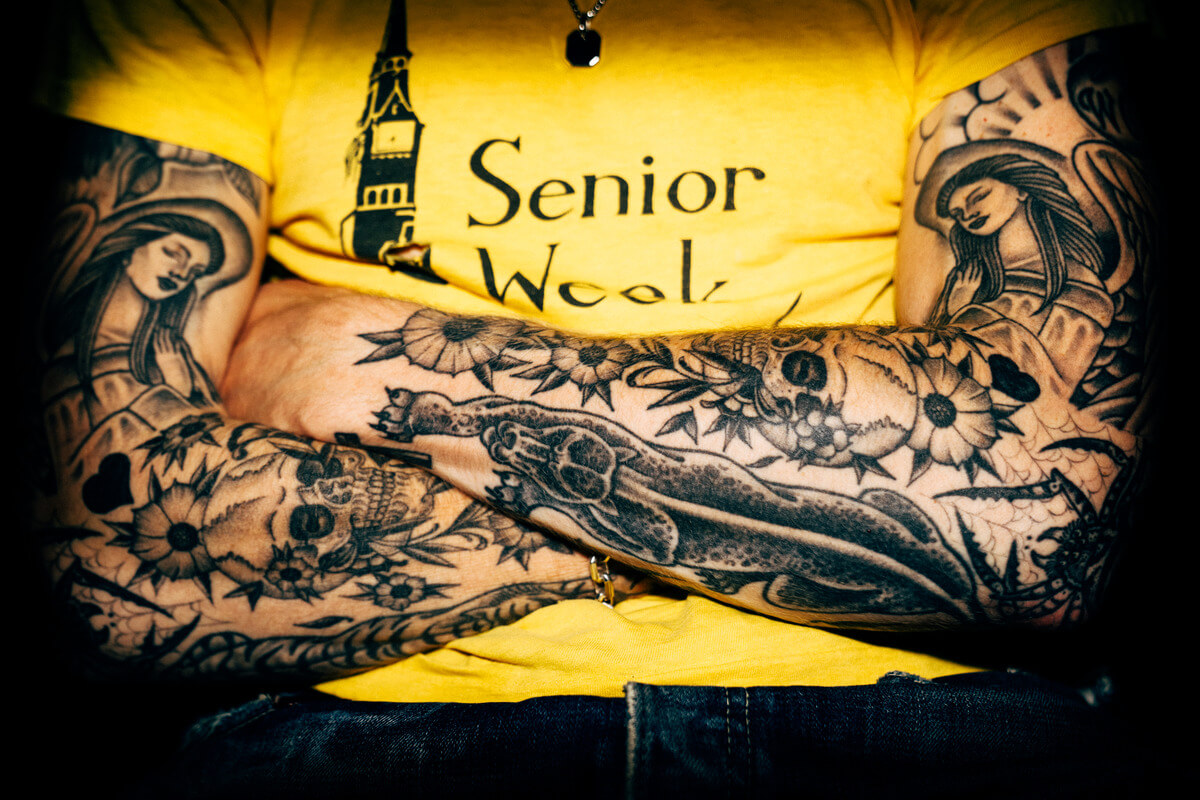
For Caleb, these spontaneous pieces are meaningful anyway. They act as timestamps of the band’s time on the road. “From my experience, you learn that the true meaning comes not from the image itself, but from the context of your life in that moment that is now forever represented on your body,” he shares.
That philosophy defines “Don’t Speak.” The title itself reflects the idea of saying everything without opening your mouth, much like a sleeve of tattoos communicates who you are before you speak a word. Scrapping the back half of the record paved the way for a wave of raw, urgent tracks like “Bittersweet,” “In The Morning,” “Cortisol,” and “(Tokyo),” a track Caleb describes as an upbeat, lively composition carrying deeper feelings of sadness and loss underneath.
The turning point for this heavier, more direct sound was “Typical Ways,” a track that nearly did not make the album because the band hesitated over how a heavy rock song would translate live in an era dominated by pop and rap. The crowd’s explosive response in Asia proved them wrong and gave them the confidence to pivot completely. That shift sparked the title track “Don’t Speak,” which grew out of high-energy jam sessions designed to bottle the chaotic electric atmosphere of a headlining stadium show.
With these heavy rock anthems leading the charge, Culture Wars created a record that they feel finally captures their unfiltered live presence. “We really just wanted an album that sounded like ourselves,” Alex says, “and I think we succeeded in that. It’s uniquely us. We’re at a point where I don’t even care what people say online anymore—I know who the fuck we are.”
Editor's Picks
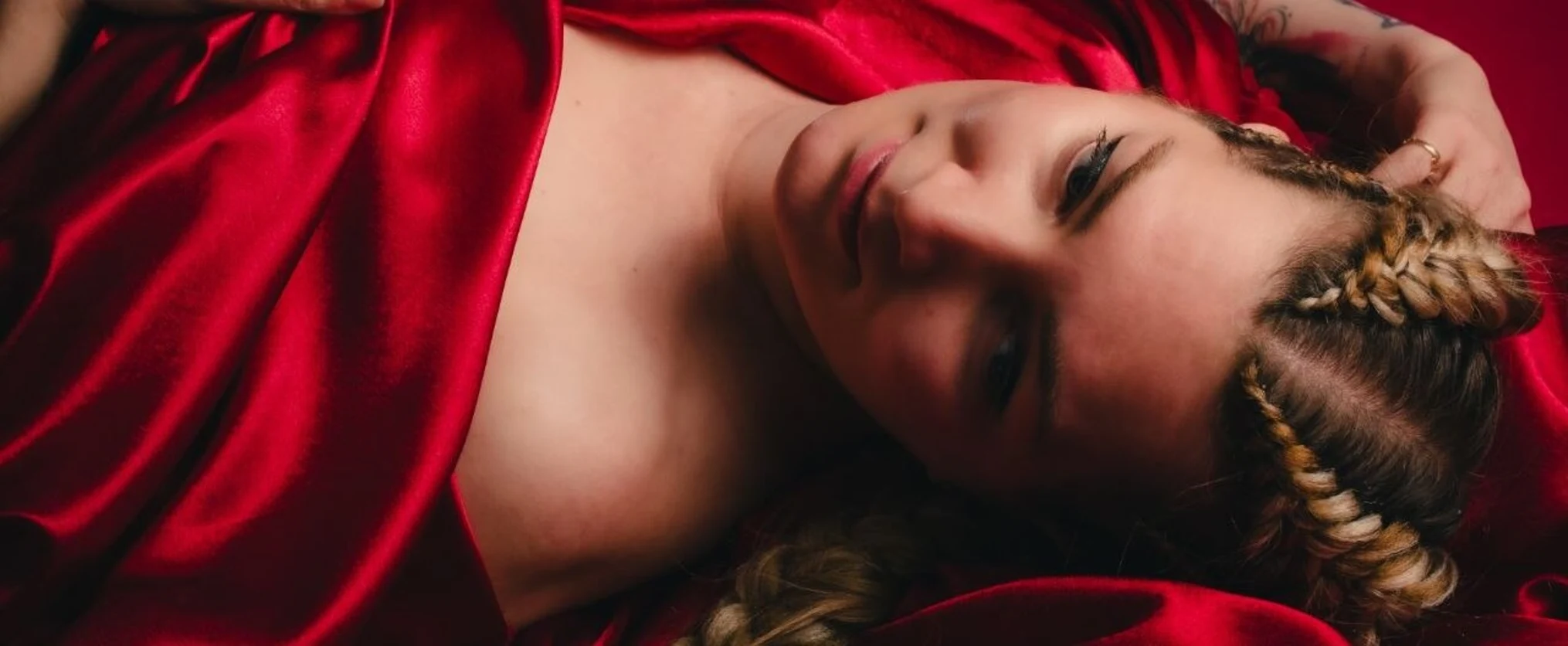
Marina Volk’s Painterly Color Realism Is Made for the Body
Drawing on classical painting, she uses light, controlled color and composition to turn each client’s idea into a tattoo that belongs to its wearer.
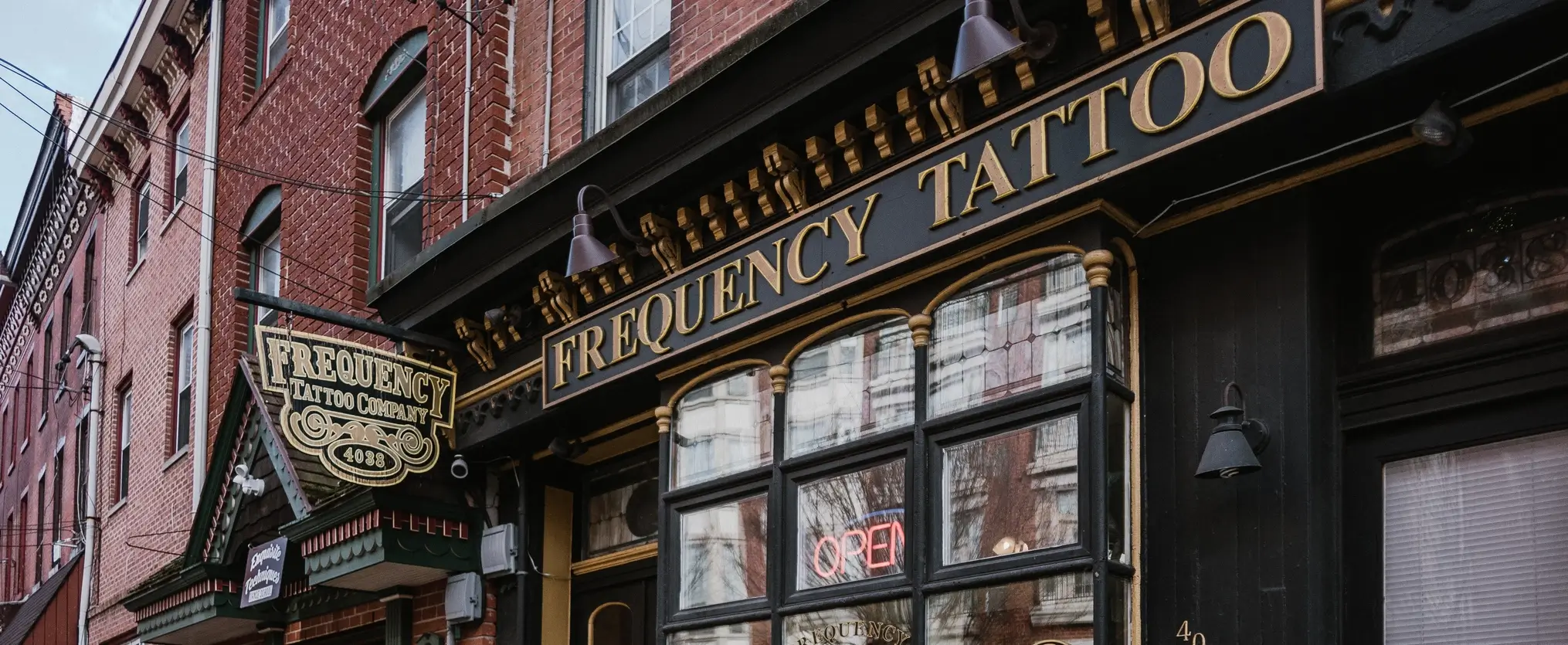
Automation Should Take the Paperwork and Leave the Craft Alone
Apprentice was built inside a Philadelphia tattoo shop to handle the admin that eats artists’ time. The art stays with the artist.

What Happens When the Tattoo Industry Won’t Let You In?
The artist who couldn’t find a way in is now opening doors for the women coming next.
More From Music

Wiz Khalifa: The Echoes of Wisdom
October 13, 2026
What Do Your Tattoos Say About the Music You Love?
September 15, 2026
Screaming Supreme
September 9, 2026
Why Do We Turn the Hardest Parts of Our Lives Into Art?
September 8, 2026