Lauren Ertl
October 5th, 2026
Automation Should Take the Paperwork and Leave the Craft Alone
Apprentice was built inside a Philadelphia tattoo shop to handle the admin that eats artists' time. The art stays with the artist.
For most tattoo artists, the goal is simple: spend more time tattooing. But as an artist gets busier, more of that time can disappear into everything surrounding the tattoo itself. Consult requests pile up in DMs and inboxes. Reference images live across different threads. Deposits need to be collected, appointments rescheduled and consent forms completed.
Artists agree: automation should take the paperwork and leave the craft alone. So the question in tattooing is: How can technology give artists back some of that admin time without interfering with the part of the job that should remain entirely human?
No one starts tattooing for the love of managing spreadsheets. And yet, admin work plays a huge part in keeping the lights on and allowing artists to do what they love for a living.
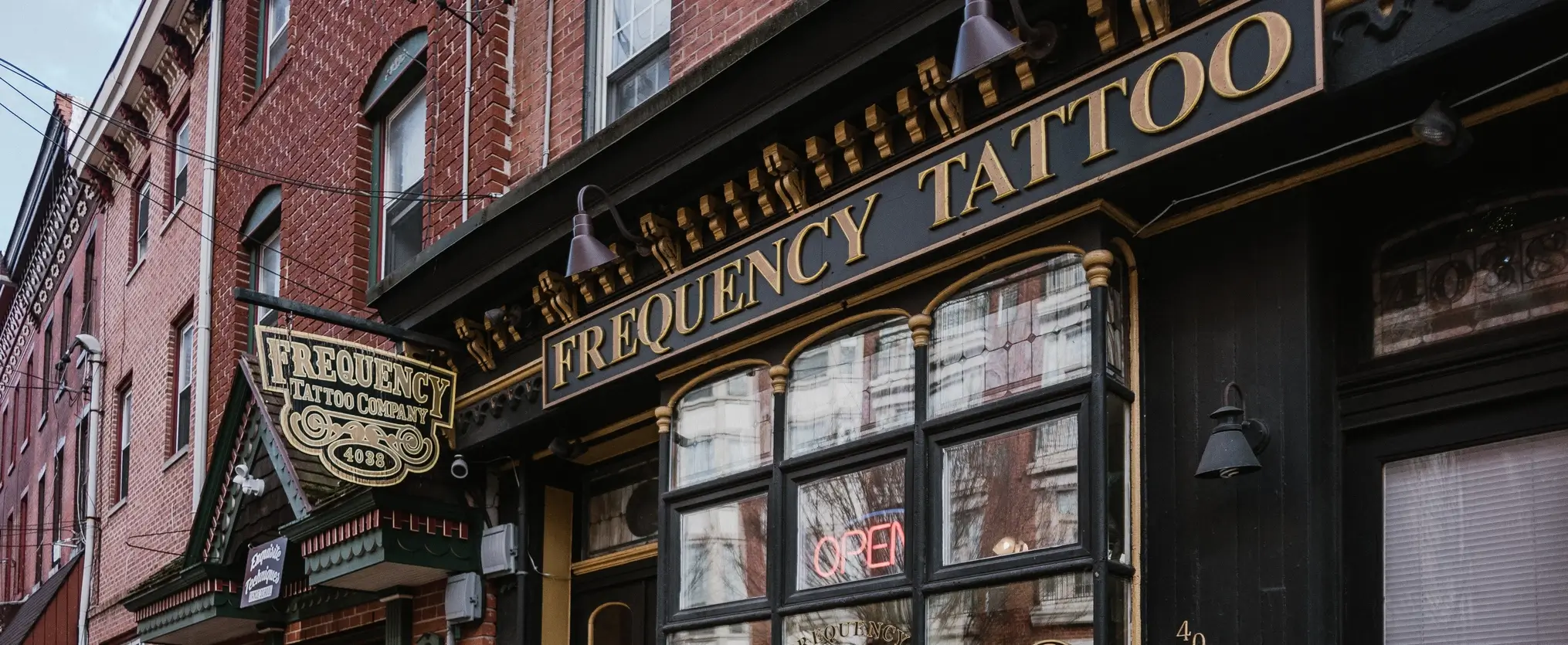
For Apprentice founder Jason Howie, the answer started with watching his older brother, John, run Frequency Tattoo Company in East Falls, Philadelphia. Jason saw firsthand how much time the work surrounding a tattoo could take away from the work itself.

Photo Courtesy of @flickerandelm
“The art was world-class, and the admin was chaos,” Jason Howie, founder of Apprentice, said. “No fault to my brother, mind you; it’s just a different skill set and job entirely.”
Booking requests filled inboxes, paper consent forms piled up, deposits were chased over Venmo and no-shows could wipe out an entire afternoon. Scheduling tools existed, but to Howie, they missed something fundamental about tattooing: an appointment is only one piece of a much larger process.
“Generic schedulers handle the time slot and ignore everything around it,” Howie said.
No two artists necessarily manage that process the same way. A high-volume street shop operates differently from a private studio, and a custom artist who opens their books periodically may have completely different needs from someone booking appointments week to week. The technology, Howie realized, needed to adapt to the artist rather than asking the artist to adapt to it.
“Jason built this for my shop,” John Howie said about his brother, “and I’ve been through every version. My feedback was always simple: help me respond to our clients faster, make managing the shop easier, and the art is mine.”
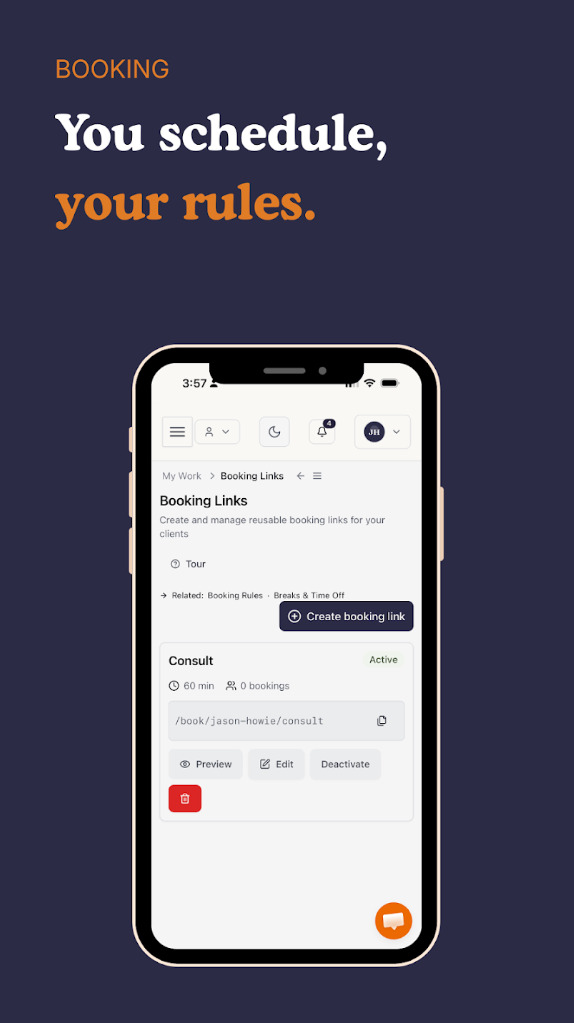
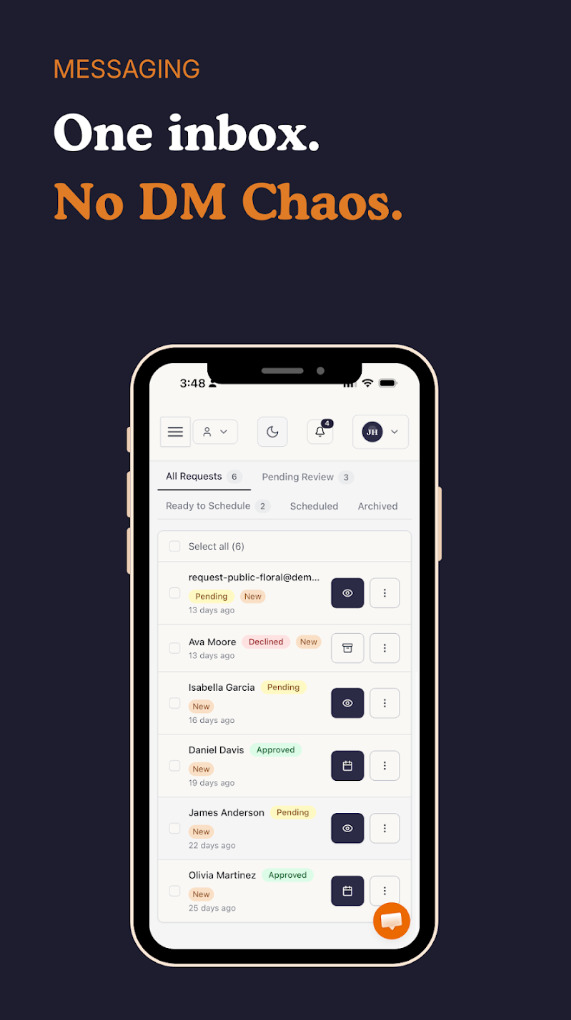
Drawing on a career spent helping legacy businesses adopt new technology, Howie began building Apprentice around the way tattoo artists actually work. Instead of chasing client details across three different messaging apps, Apprentice gives artists a custom “link-in-bio” booking tool for their social media that gathers reference images, placement details and sizing right up front.
From there, the platform organizes everything into a single profile for each client, housing reference photos, design notes, appointment scheduling, deposits, digital consent forms and post-session aftercare instructions all in one place.
Crucially, however, the app is not designed to automate the soul out of tattooing. Personal interactions and artists’ autonomy remain at the forefront.
“Automation should take the paperwork and leave the craft alone,” Howie said. “The design judgment, the hands, and the relationship with the client—that’s the job. No software should touch it.”
Howie describes the philosophy behind Apprentice’s automation software in terms familiar to the tattoo industry: an apprenticeship.
“In this industry, you learn by apprenticing,” Howie said. “You watch, you handle the grunt work, you earn trust. Our software works the same way.”
Apprentice’s AI connects directly to an inbox to separate legitimate client inquiries from spam, organize incoming reference photos and draft thoughtful response options based on project details. Nothing is ever sent without the artist’s explicit review and approval.
Technology may have a growing place in tattooing, but that doesn’t mean it belongs in every part of the process. An artist’s eye, the ability to understand how a design will live on the body, the relationship with the client and the skill to execute it in skin remain distinctly human. The opportunity for software is not to enter that process, but to clear away enough of everything surrounding it that artists have more time for the work only they can do.
Apprentice’s tattoo shop management software is free to start at useapprentice.com.
Editor's Picks

Marina Volk’s Painterly Color Realism Is Made for the Body
Drawing on classical painting, she uses light, controlled color and composition to turn each client’s idea into a tattoo that belongs to its wearer.

What Happens When the Tattoo Industry Won’t Let You In?
The artist who couldn’t find a way in is now opening doors for the women coming next.
5 Tattoo Shop Mistakes That Quietly Cost You Money
From deposits to chargebacks, these overlooked gaps may be hurting your bottom line.
More From Culture
What Happens When Military Standards Meet Tattoo Aftercare
October 20, 2026
Steel to Sole
October 19, 2026
Breaking the (Skin) Barriers
October 19, 2026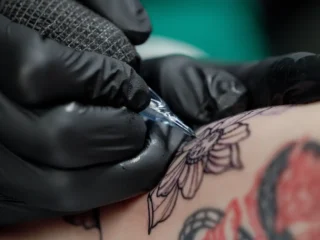
Your Books Got Busy. Your Software Didn’t.
October 19, 2026