Elaine Maguire O’Connor
February 23rd, 2026
Inside Dublin’s Tattoo Scene
Ireland’s tattoo artists are making their mark.
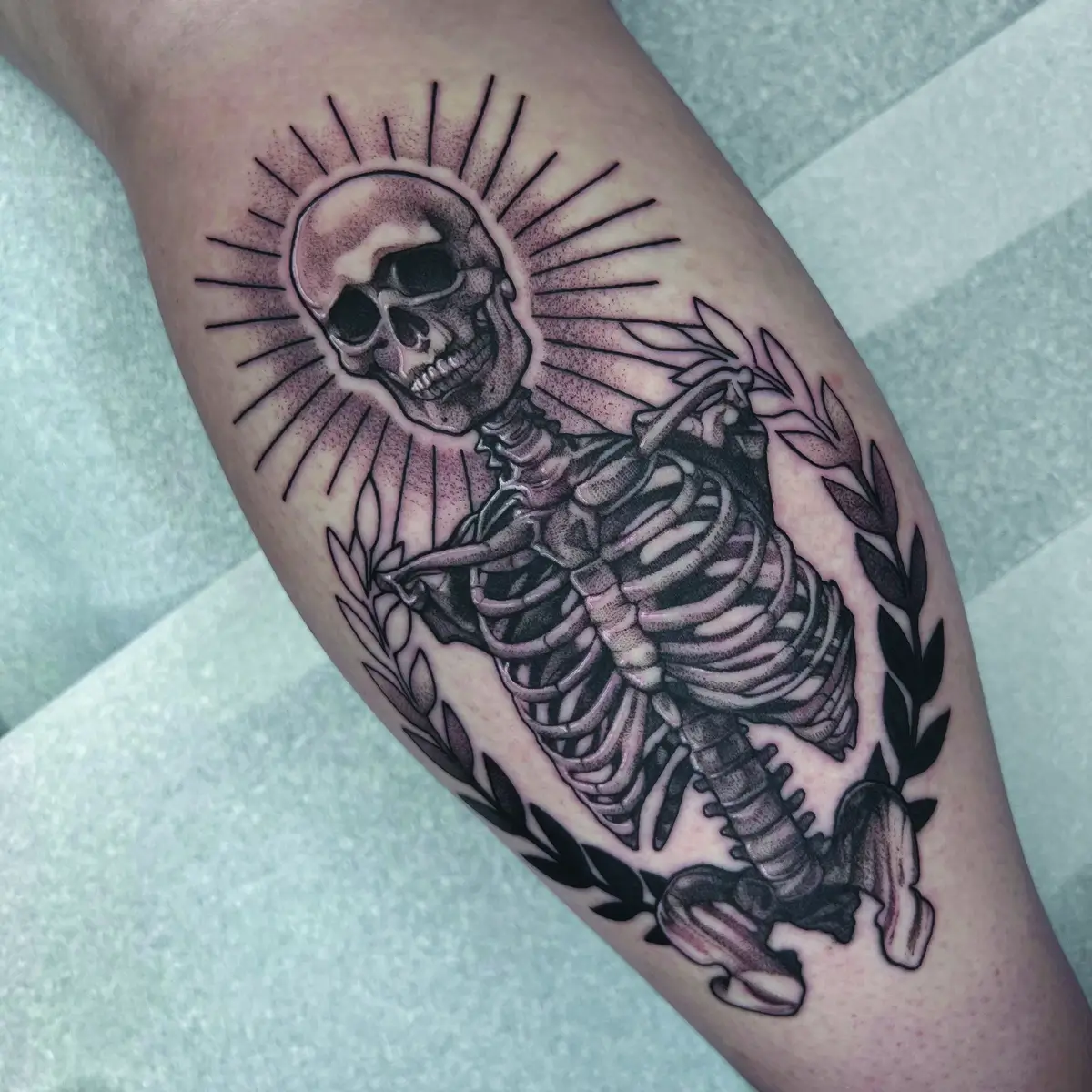
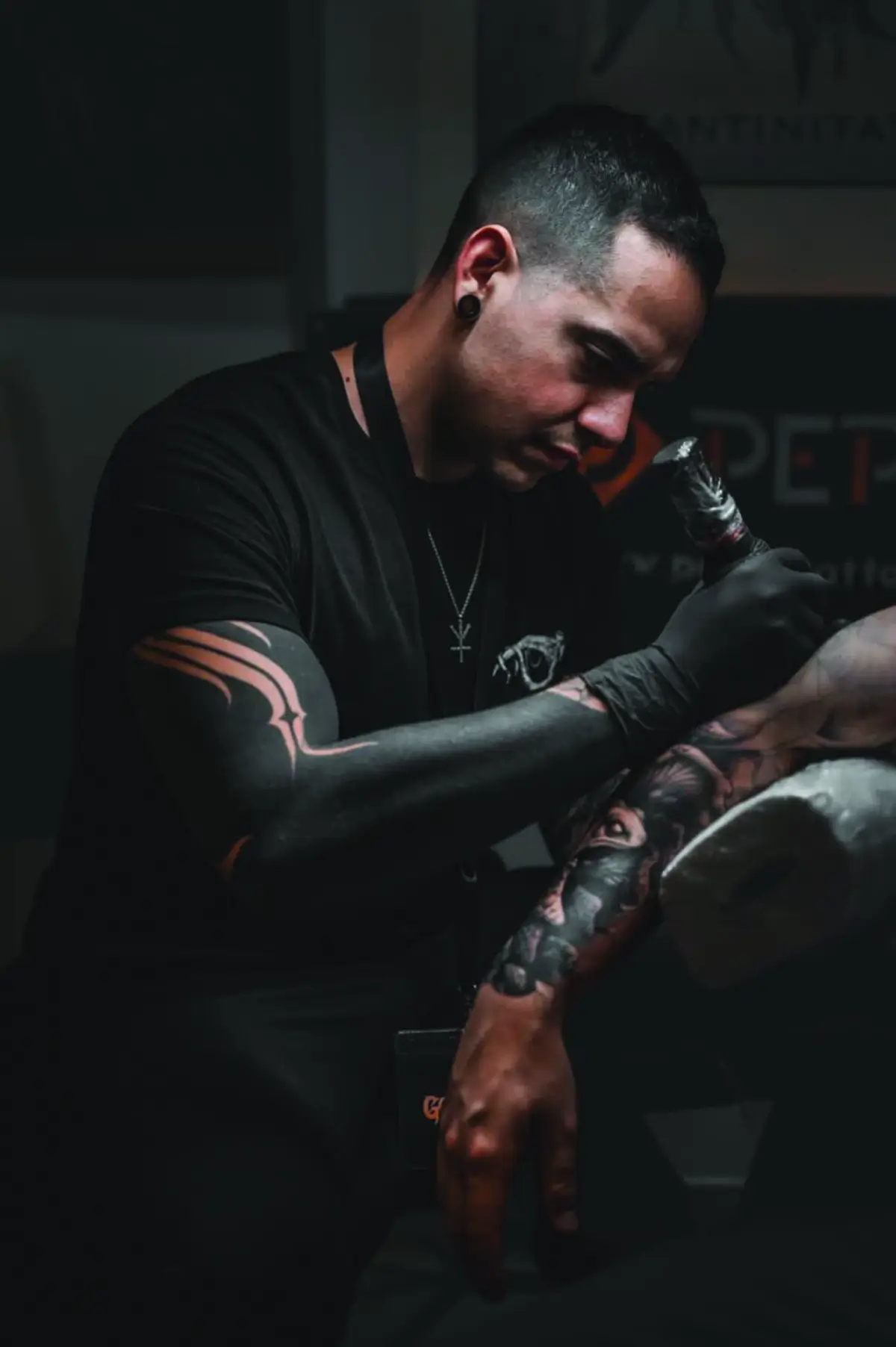
When Bruno Santos began tattooing in his home country of Brazil 18 years ago, it was impossible to foresee that he would become one of Dublin’s most in-demand tattoo artists. Famed for his neotraditional and blackwork, Santos is known for his dark themes — skulls, bones, and mythological creatures are omnipresent — and he cites the rich Irish folklore of his adopted homeland as an inspiration for his work.
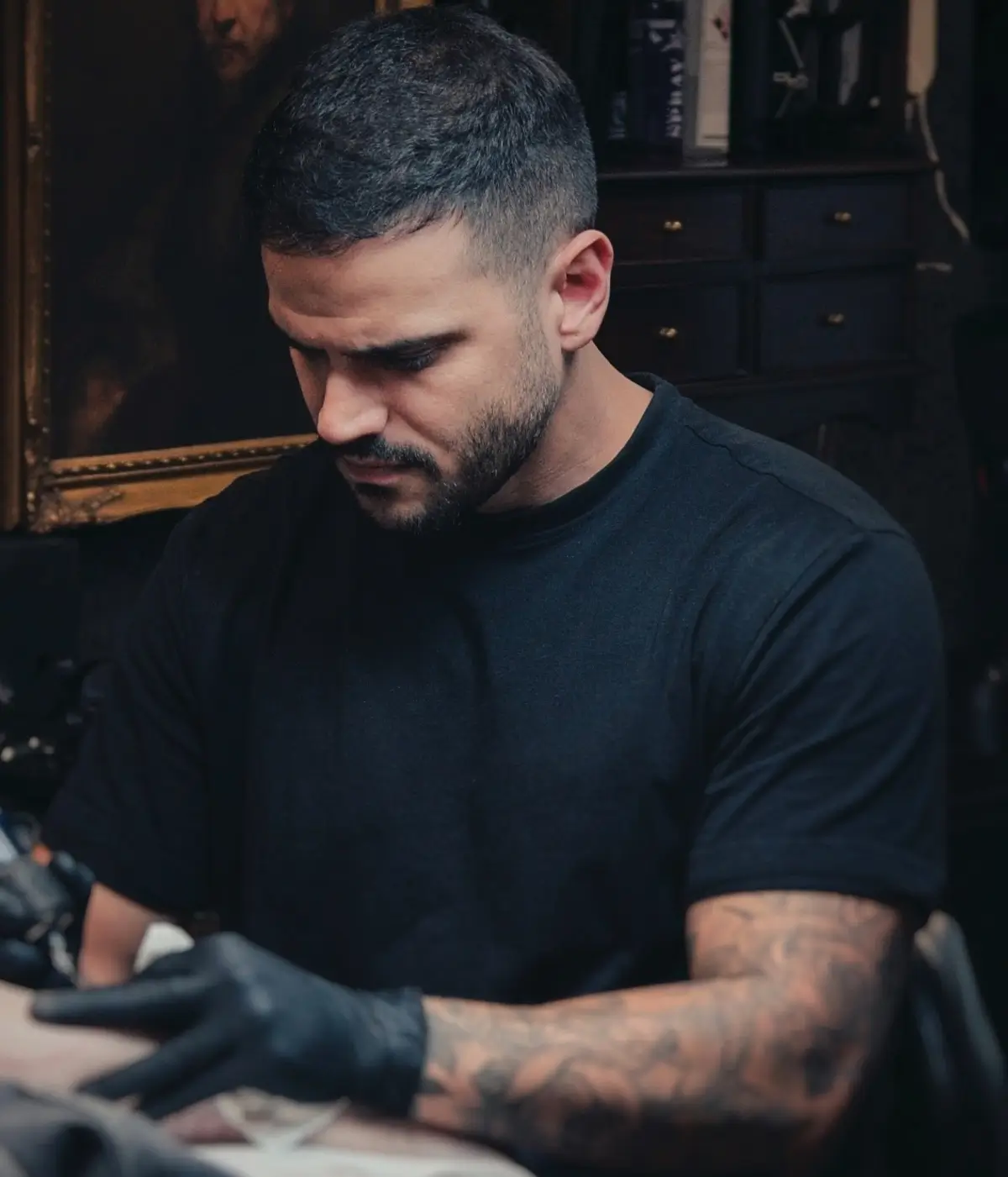
Santos runs Sanctorum Tattoo, which roughly translates as “holy place” or “sanctuary.” Located in Temple Bar, the city’s cultural quarter, Sanctorum Tattoo opened in 2021. Nestled among the cobbled pedestrian streets, the studio is famed for its elaborate, Gothic décor and the beautiful, classic European artwork that hangs in its reception area.
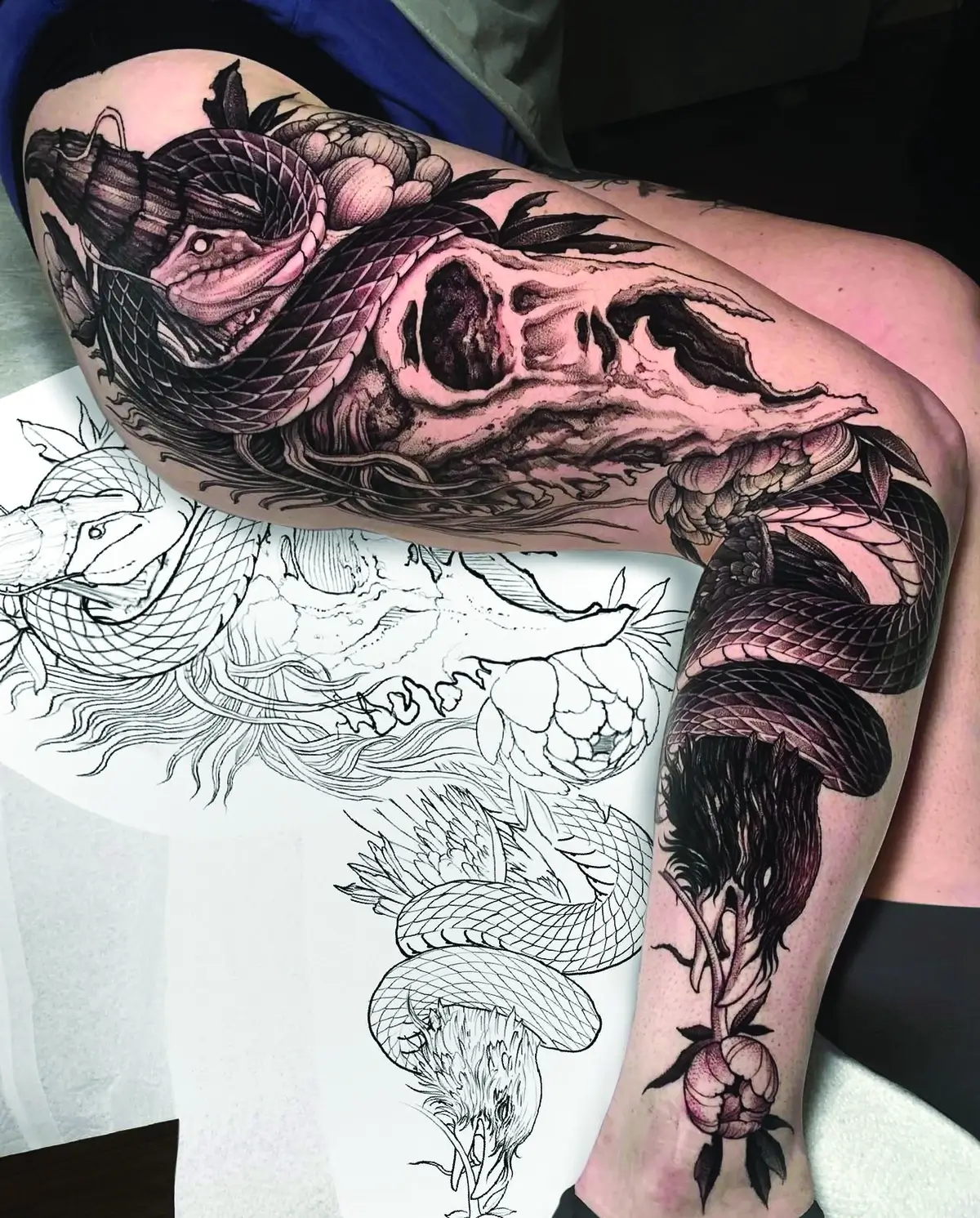
With a population of just over one million inhabitants, Dublin is a small but increasingly popular destination on the tattoo world’s map, with customers frequently travelling from across the globe to be inked by one of the city’s highly regarded artists. Boasting a rich history in the creative arts — the city is longtime synonymous with both literature and music — it’s perhaps no surprise to see its tattoo industry flourish and Dublin become a go-to destination for tattoo enthusiasts seeking out new ink.
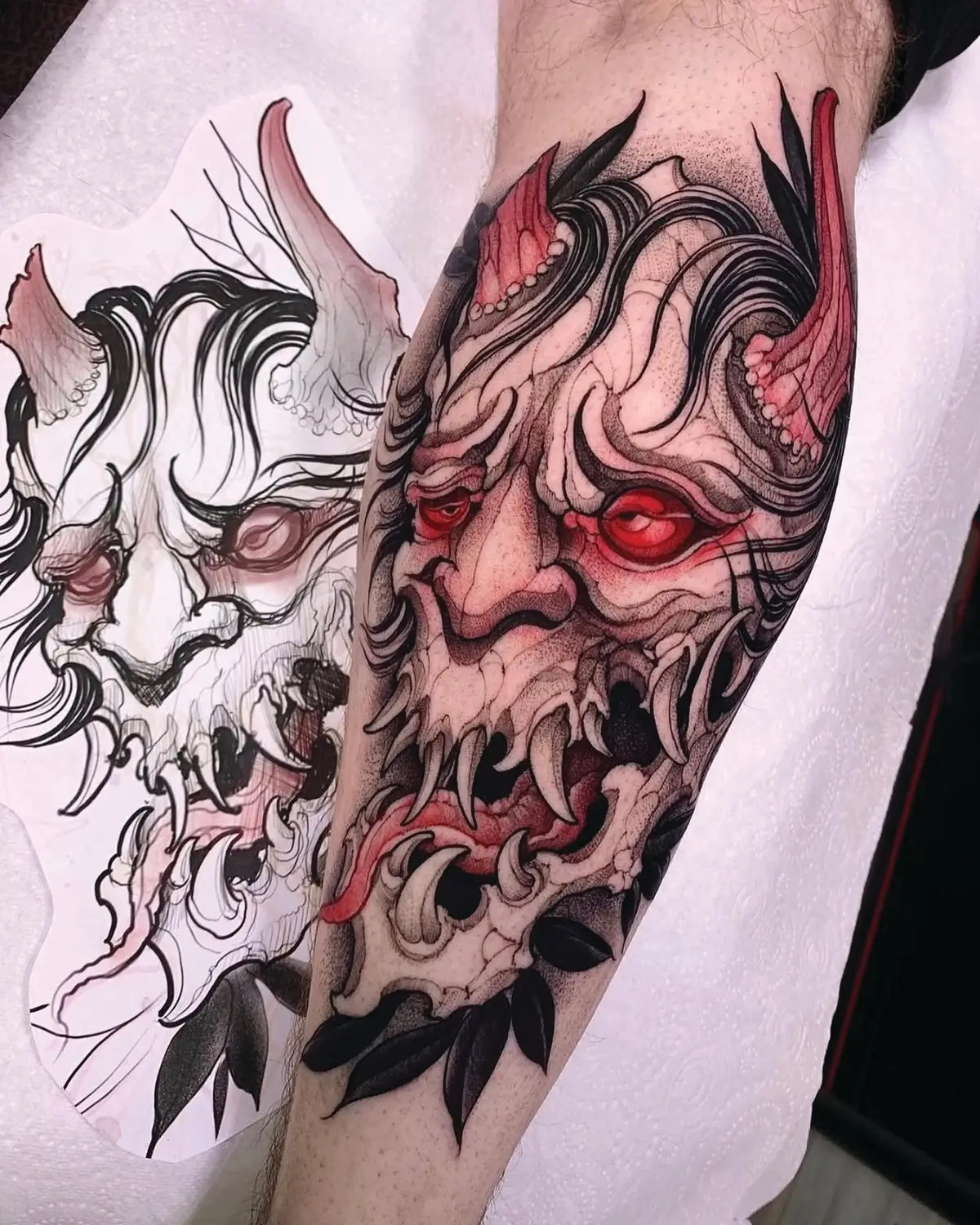
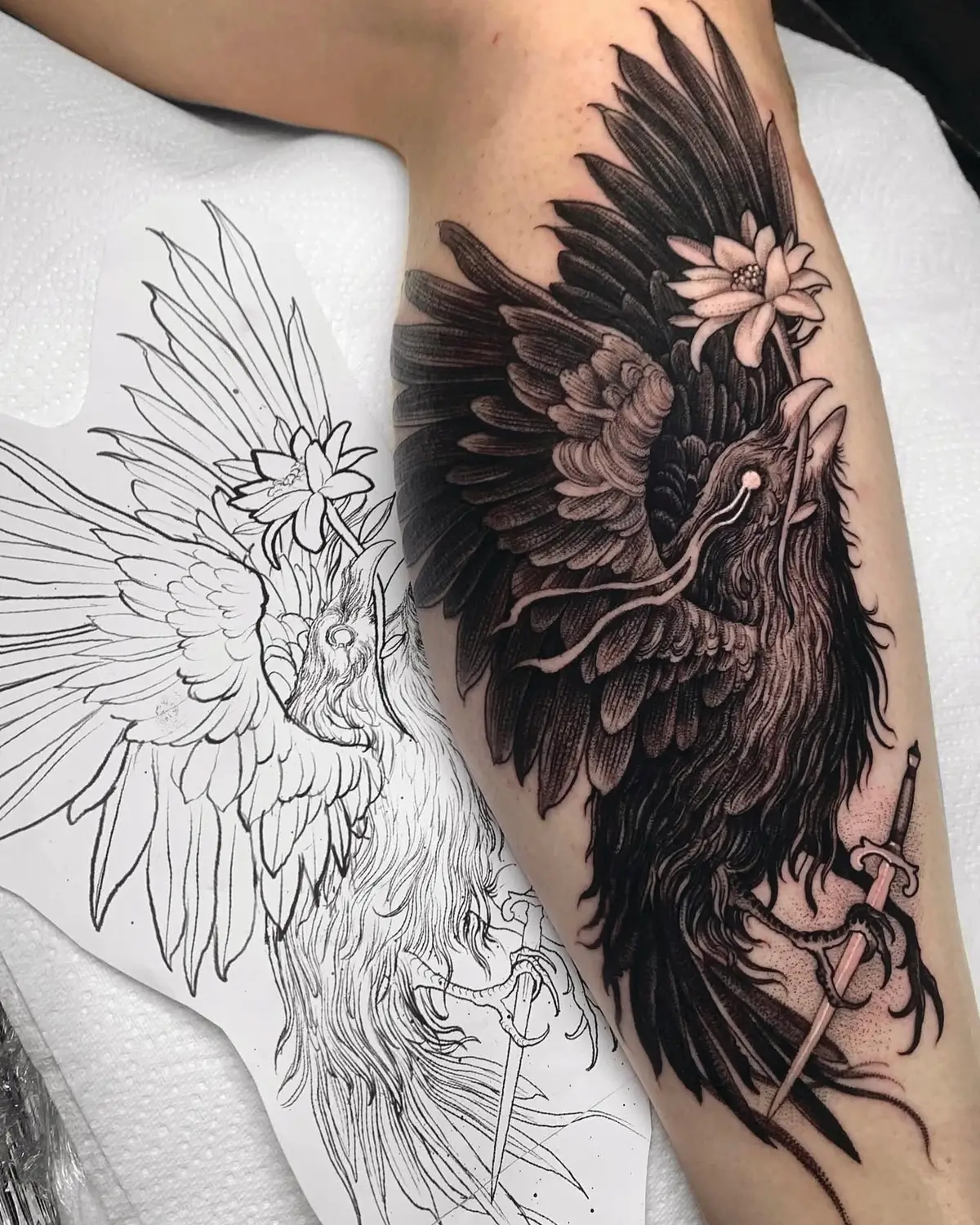
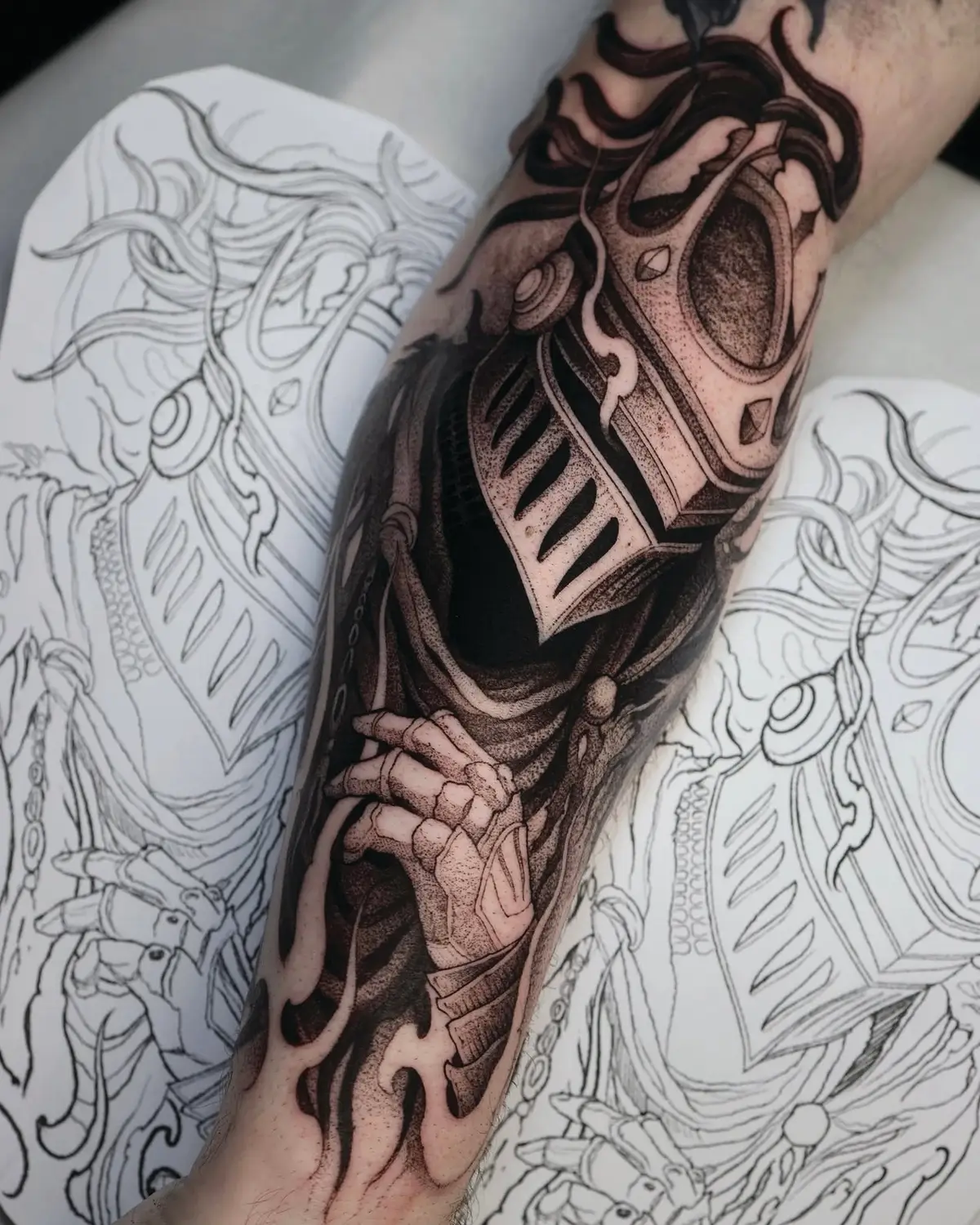
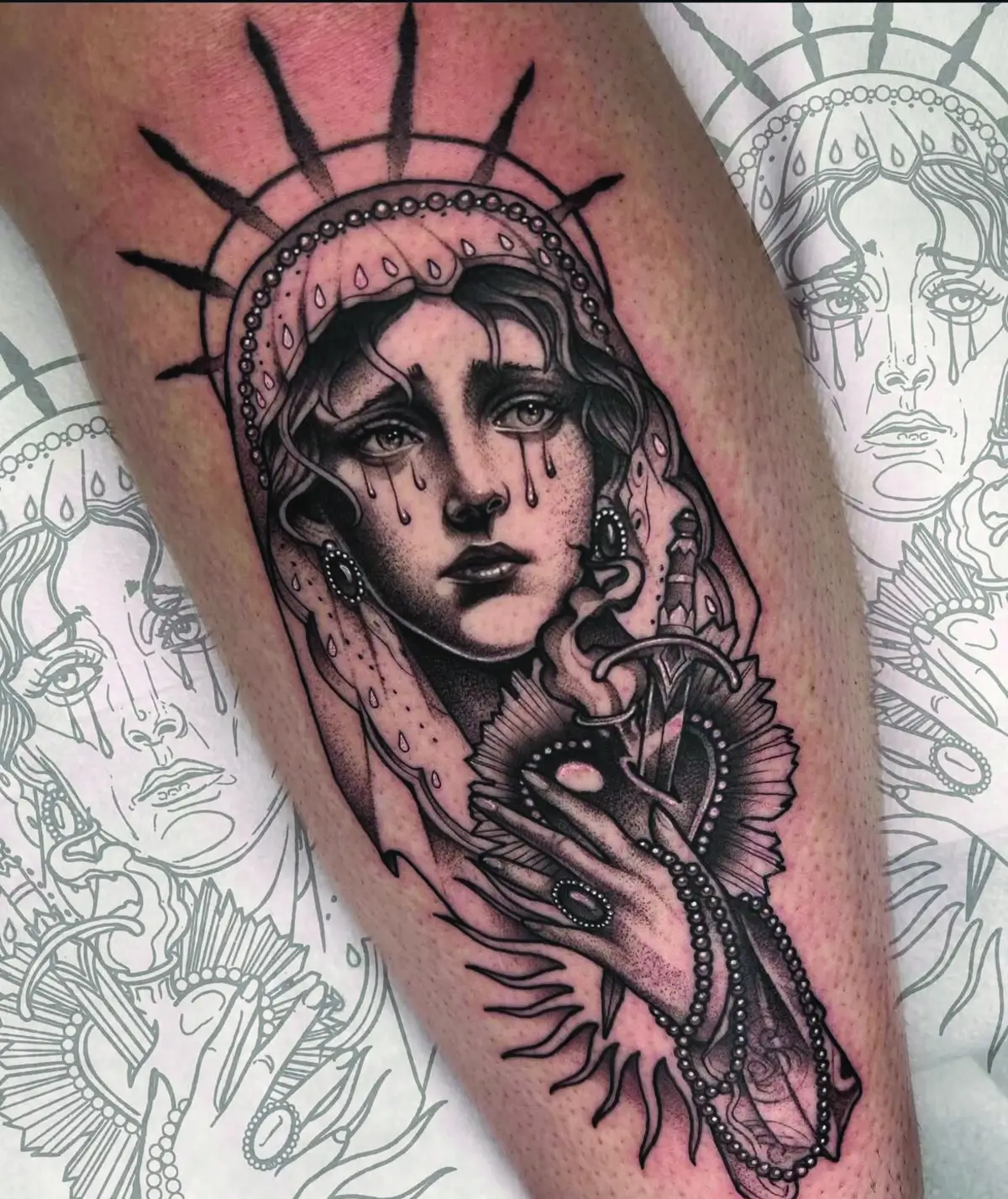
Dubliner Jamie Lo, the artist known to his 2.1 million TikTok followers as Jammy Dodged, began tattooing six years ago and quickly became one of the city’s most recognized and revered artists. Influenced by old paintings, much of his imagery focuses on the female face. The intricate detail of his work brings an emotional resonance to his tattoos, many of which wouldn’t be out of place in the National Gallery of Ireland, not far from where he works in Dublin. Religious imagery also runs through his work, and, like Santos, he is influenced by Irish folklore.
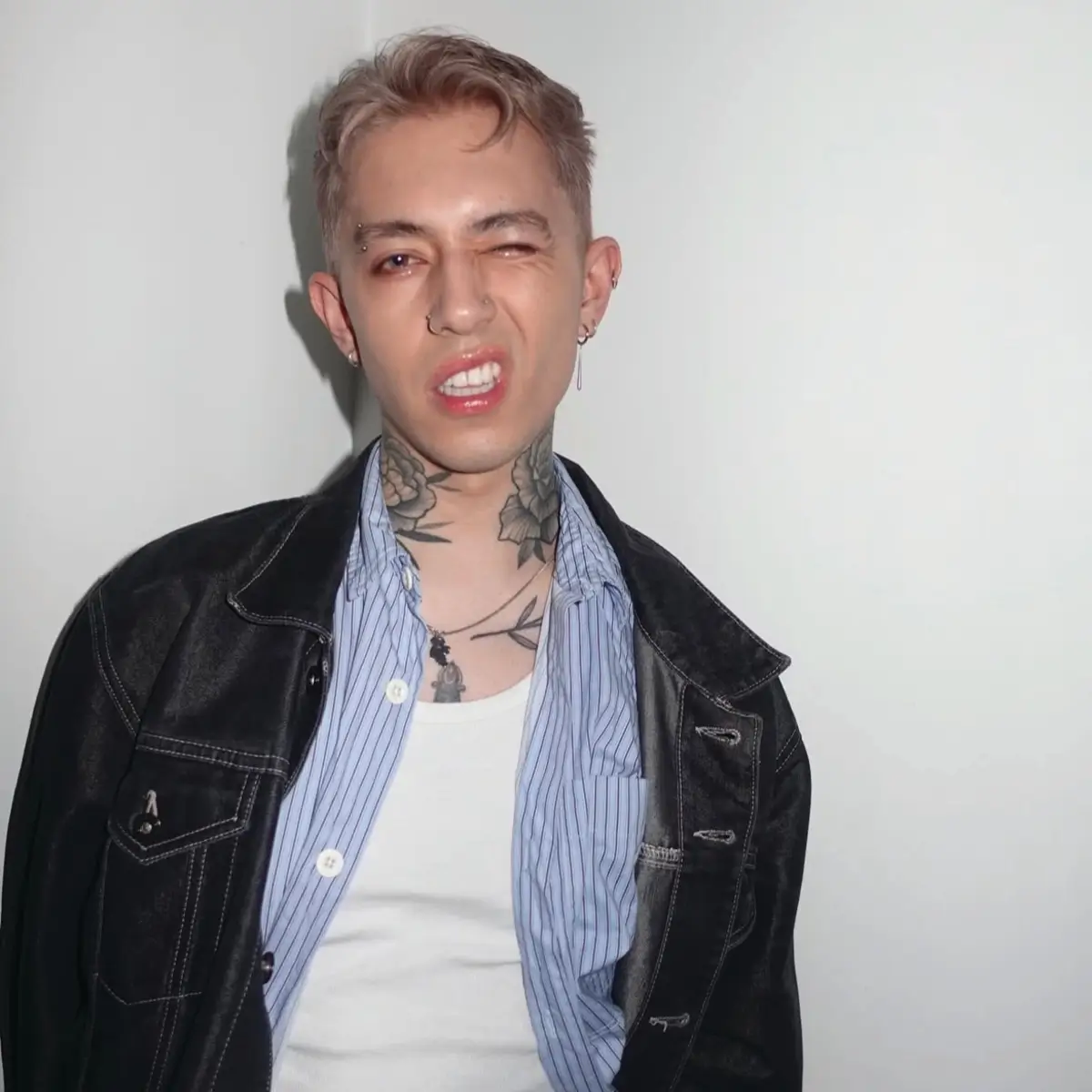
“When people think of Irish folklore, they think of leprechauns and you know, all that silly stuff, but there is a different side to it — goddesses of death and goddesses of war — that people don’t even realize is Irish, and I take a lot of inspiration from that,” Lo says. Indeed, for some, the words “Irish” and “tattoo” conjure up images of harps, shamrocks, and other generic, clichéd ideas of what “Irishness” is, but this is a world away from the beautiful portrait-style work that Lo has become synonymous with.
Although the last decade’s tattoo boom is not unique to Dublin, the thriving scene is all the more impressive considering how relatively young the industry is there. Historians believe that as recently as the 1960s, there was only one practicing artist in the entire country of Ireland. By the 1990s, although tattoos were more common, they were still very much the preserve of the alternative, and the idea of tattoos as an art form was practically unheard of.
While the industry was slow to develop in Ireland itself, the Irish influence on the U.S. tattoo industry is significant. Dubliner James F. O’Connell is credited with being the first man to popularize tattoos in North America. Originally a sailor, O’Connell acquired his tattoos while shipwrecked on the remote Pacific Island of Pohnpei, where he claimed the locals forcibly inked his entire body, although historians have debated his account. Upon his escape, he came to the U.S. in 1835 and is now recognized as America’s first tattooed showman.
It was also the son of Irish immigrants — Connecticut-born Samuel O’Reilly — who patented the first electric tattoo machine in 1881, revolutionizing how artists work and cementing the Irish influence on the tattoo industry.
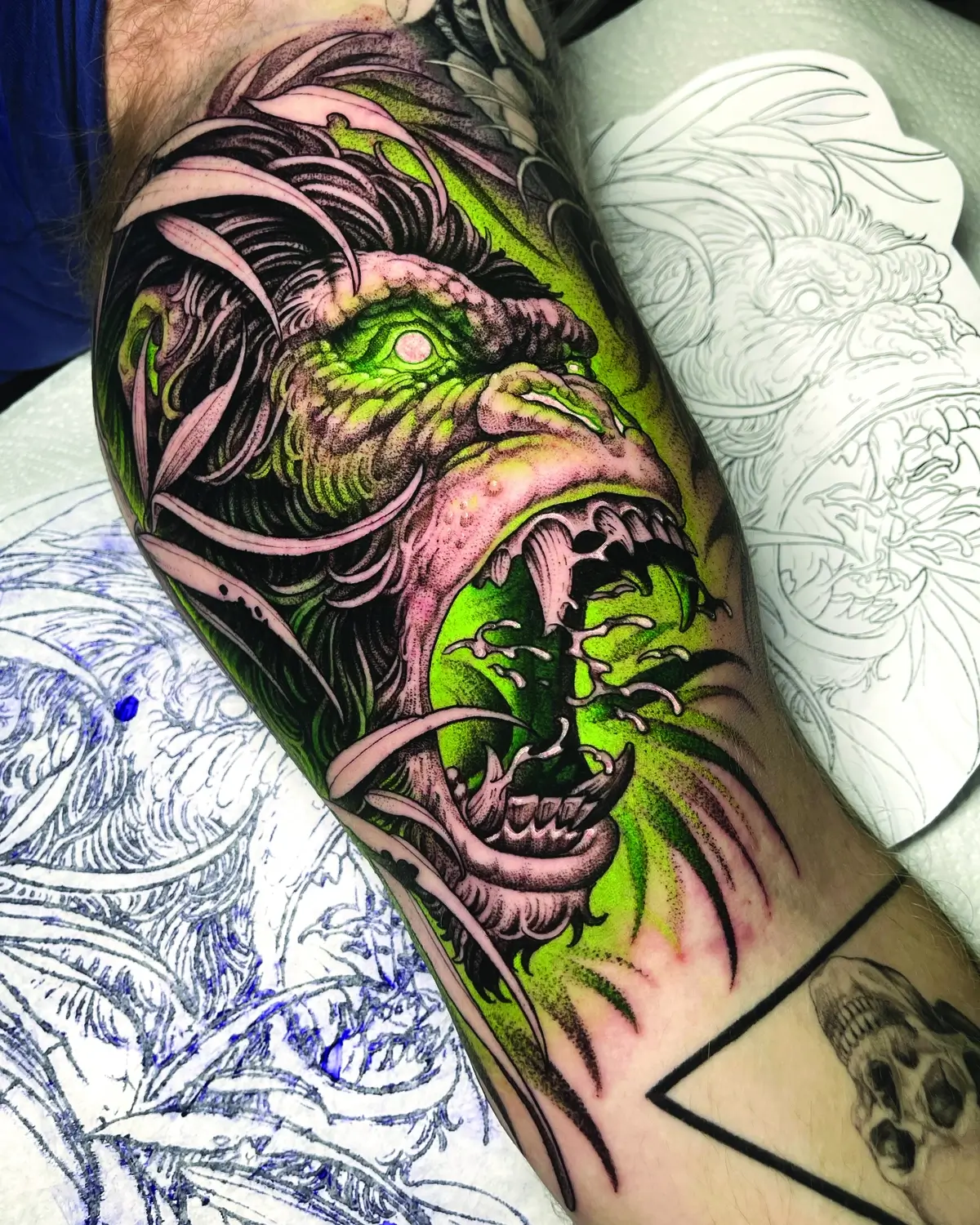
Another artist who is making his mark on the Dublin scene is André Fantini. The Brazilian made Dublin his home over nine years ago and specializes in neotraditional ink. A vibrant youth culture — Ireland boasts one of the youngest populations in Europe — as well as its multiculturalism, are what make the city so attractive for artists like Fantini. “The Dublin scene’s most notable quality is its multiculturalism,” he explains. “We have great artists from all over the world working together in a relatively small city.”
According to Lo, it is this sense of camaraderie and connection that makes the Dublin tattoo scene so unique, compared to other cities where he has worked. “Every artist tends to know each other, and everyone is trying to help each other out,” he says. “In larger places like London, people have bigger egos and are more competitive with one another, and there isn’t the same sense of community that there is in Dublin.”
Every October, the Dublin tattoo community gathers at the Royal Dublin Society on the city’s southside for the three-day International Dublin Tattoo Convention. The convention has been running for more than 20 years, beginning as a niche event with just over 30 booths in an inner-city community center. Proving immediately popular, its founder was forced to find bigger venues to accommodate the growing number of attendees each year. Hence, the convention has been held at the RDS since 2019.
This year’s convention will be its fourth under new management, now hosting over 200 artists. As well as featuring some of Ireland’s best home-grown talent, there will be a host of international artists, including Shane O’Neill, the Delaware artist famed for winning the first season of “Ink Master.” The convention will also host several tattoo competitions, including one for Best Realism Portrait and Best Avant Garde, where tattoo artists working at the convention can enter their work.
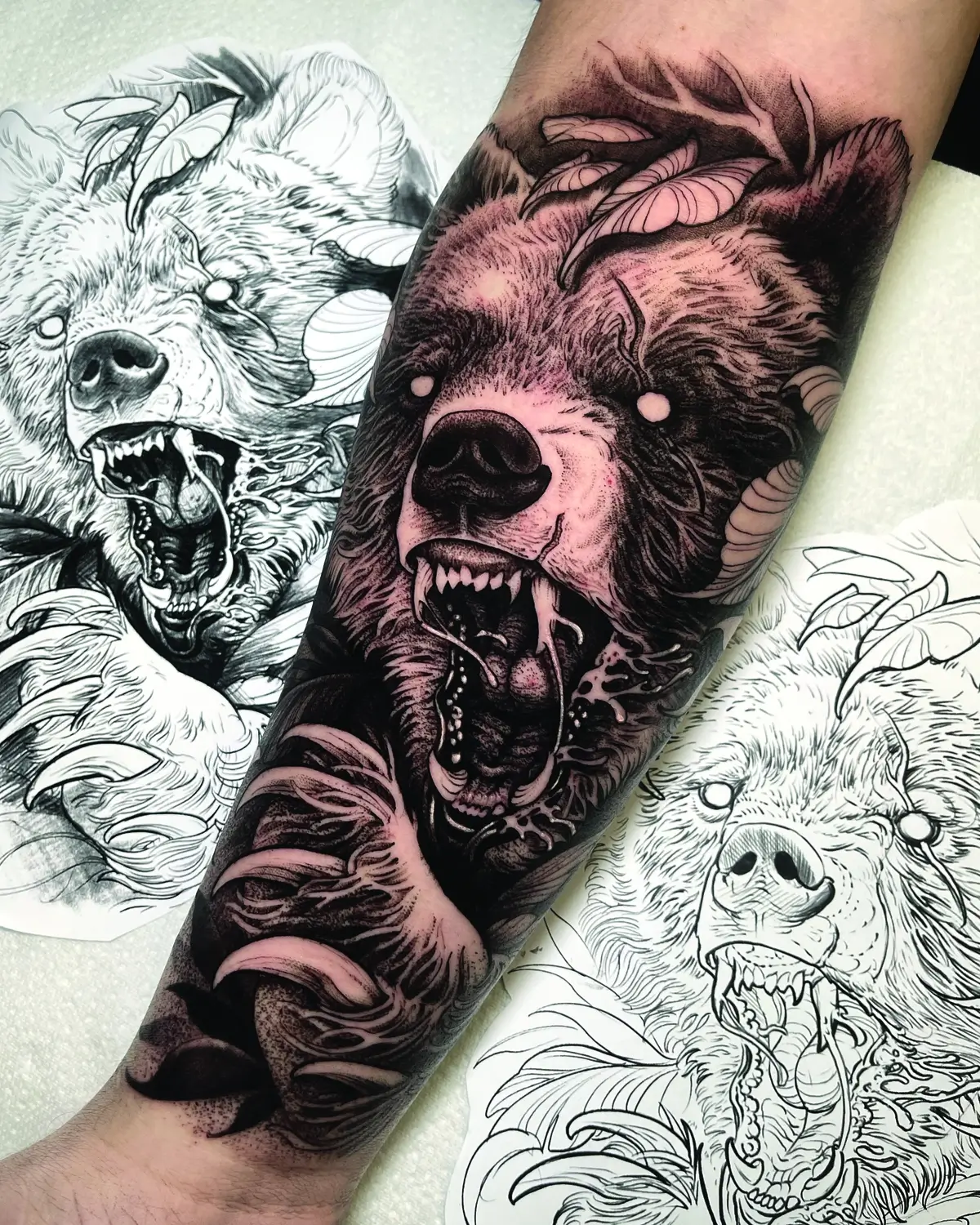
Thousands of attendees are expected at this year’s convention, with many making the journey from other cities across Europe. Given its relatively small size, Dublin is the perfect destination for a long weekend trip, and customers frequently tie in a visit to their favorite artist with a city break. For others, the lure of a great artist is the sole reason to visit, even if that means a 23-hour flight.
Santos states that he frequently has people flying in to see him. “I remember when it started happening to me, and I was kind of shocked,” he says. “Like, how come someone will leave their country just to come here and get tattooed by me? The furthest one was from Australia —came to Dublin, got tattooed for two days in a row, and flew back home on the next day. It blew my mind.”
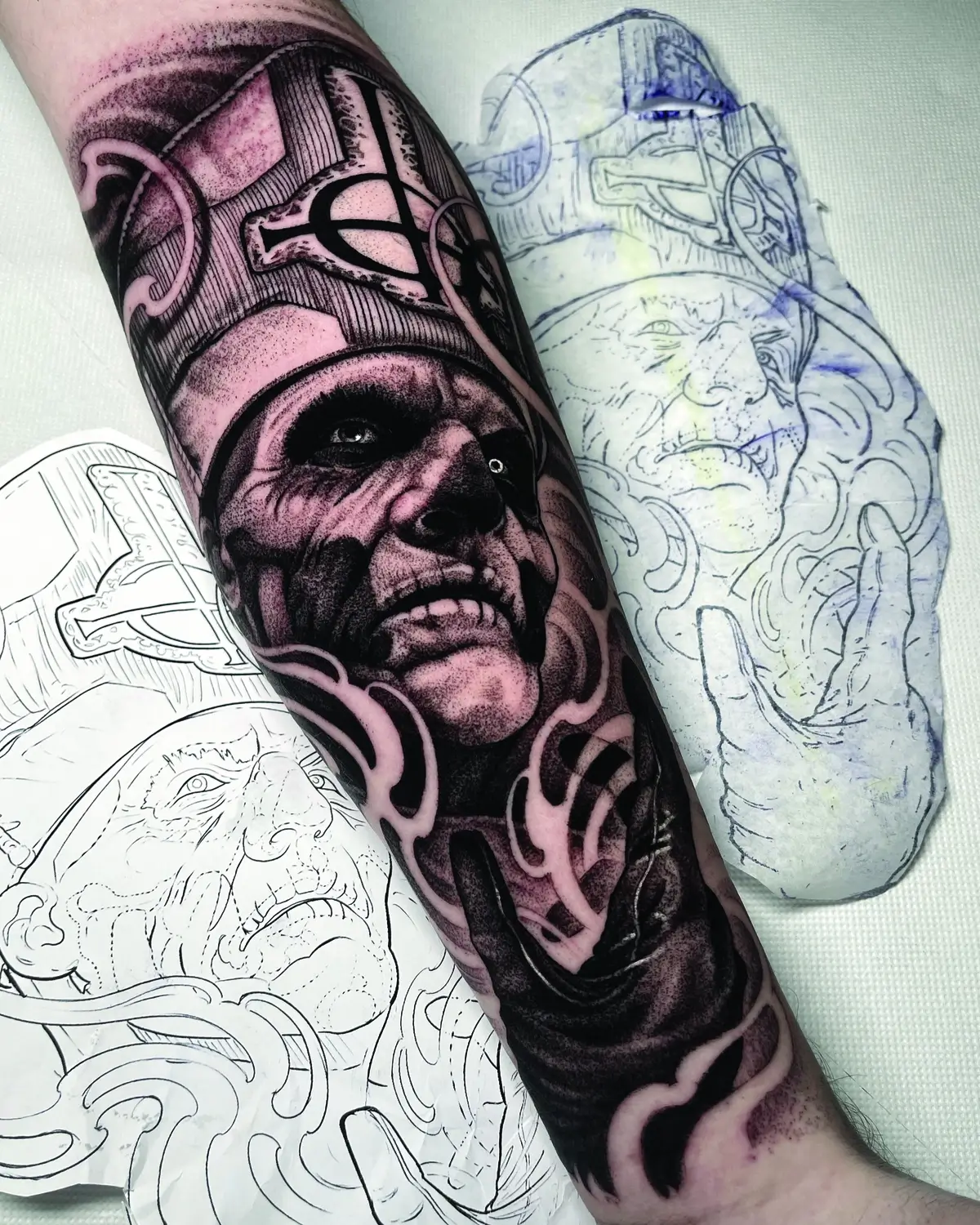
Dublin has always worn its past with pride, and people worldwide wear its history and culture too. Inside the city’s tattoo shops, heritage blends with rebellion, with artists and collectors alike etching new stories that will endure through art.
Editor's Picks
Hublot – Etched In Time
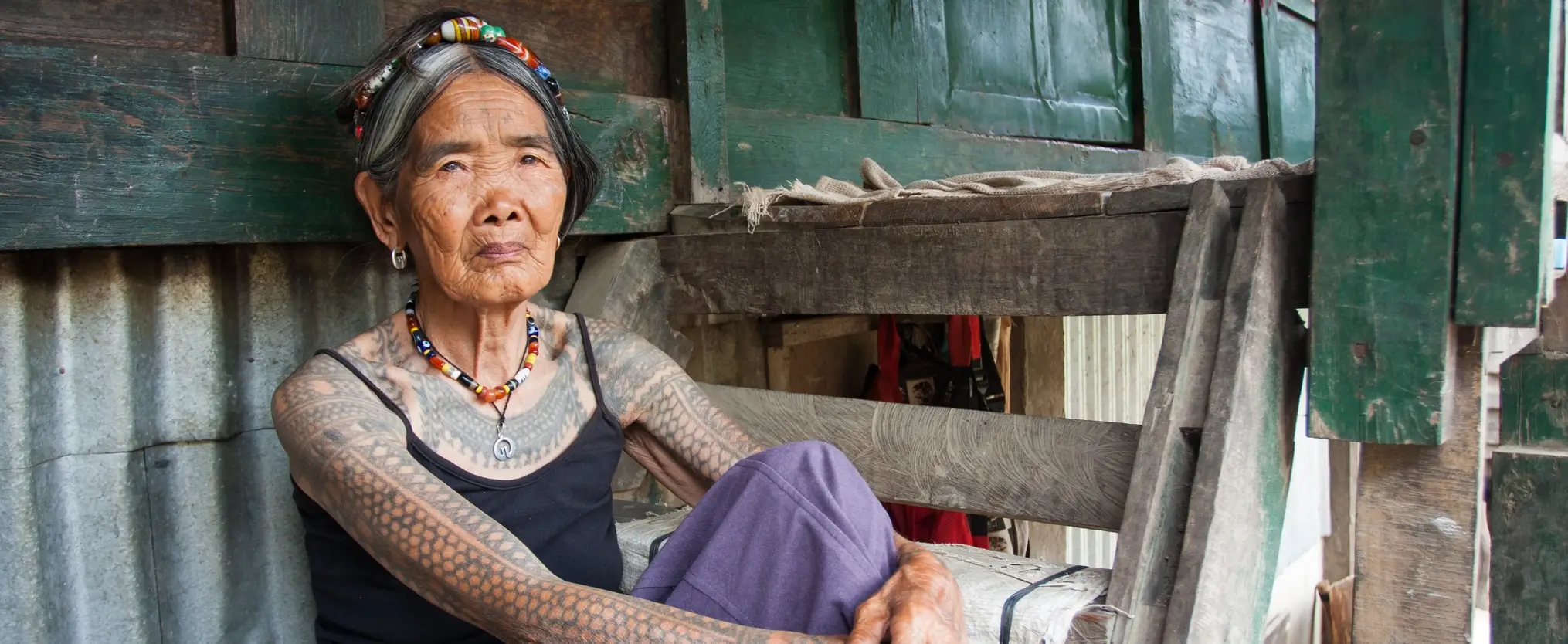
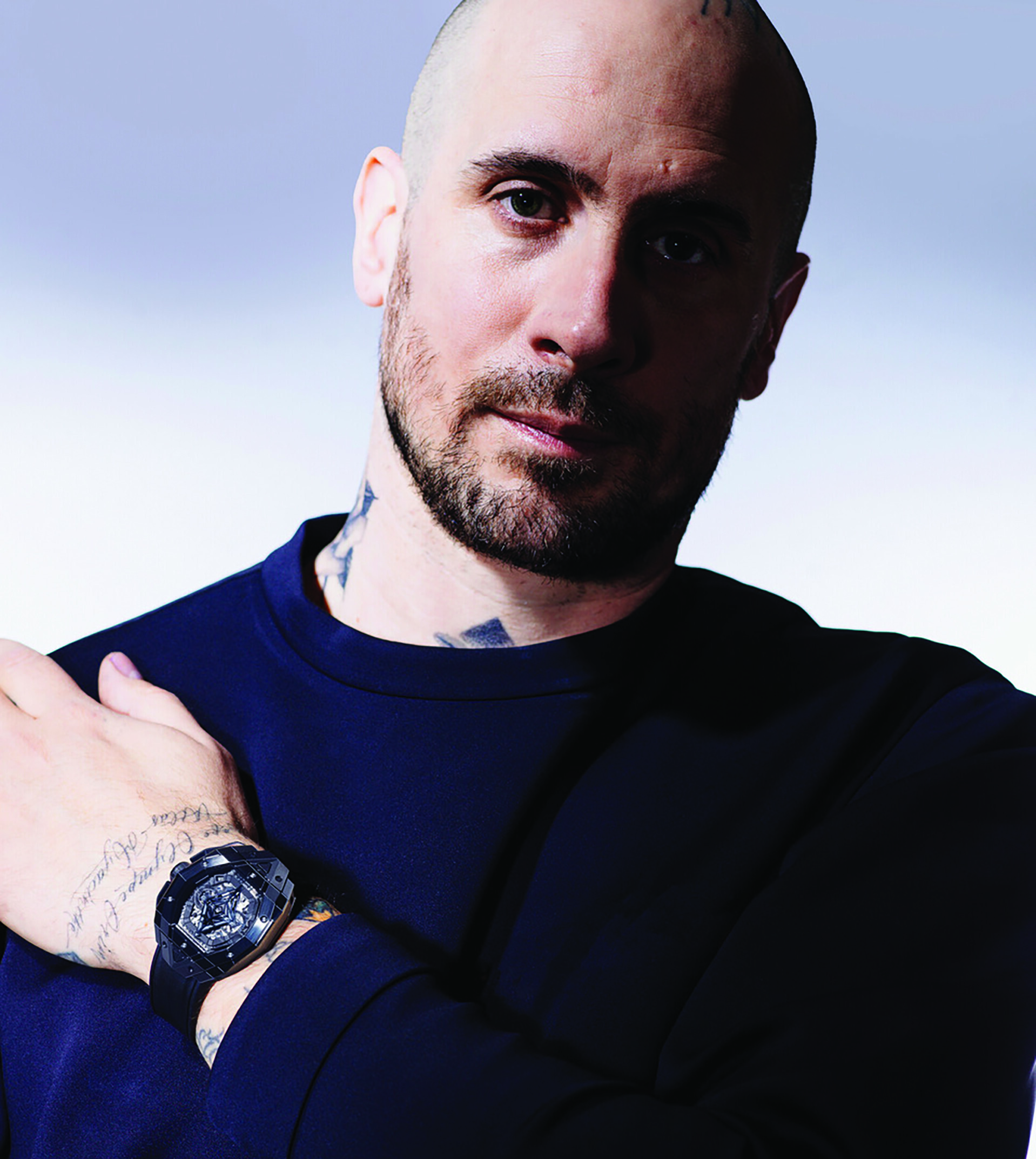
Tattooists are leaving their indelible mark on the luxury watch industry.
Beyond Skin Deep
From MGK to Miley Cyrus, tattoo trends spark cultural appropriation debates. Learn why research and respect are crucial before getting inked.
More From Culture
Halloween Essentials to Die For
October 14, 2026
It’s Shnow Season!
October 13, 2026
When the Relationship Ends but the Tattoo Stays
October 7, 2026
Marina Volk’s Painterly Color Realism Is Made for the Body
October 7, 2026