Sean Colgrave, Tattoo Educator and Curator
September 14th, 2026
The Way In Matters
Tattoo schools offer access and structure, but historic tattooing culture could be at risk.
For years, tattoo schools have been positioned as a threat to an industry built on apprenticeship, criticized by established artists and dismissed as shortcuts. Yet despite the volume of opinion, there has been comparatively little engagement from the schools themselves. A dialogue fails to emerge when one side of a debate remains largely silent. Instead of creating a sense of change, it creates a vacuum that is often filled with negativity. Furthermore, when that negativity is ignored, it just solidifies into “facts.”
To understand tattoo schools, it is necessary to look beyond the present moment and return to the earliest attempts to formalize tattoo education.

The First “Classrooms”
One of the first structured approaches to teaching tattooing came in 1951, when Milton Zeis introduced the Zeis School of Tattooing. His 20-lesson mail-in course offered a way to learn tattooing remotely for $125 (roughly $1,600 today) and was recognized by Illinois Governor Adlai Stevenson. Zeis wasn’t simply teaching technique but rather testing whether tattooing could be standardized and taught outside of a working shop.
That question still sits at the center of the debate.
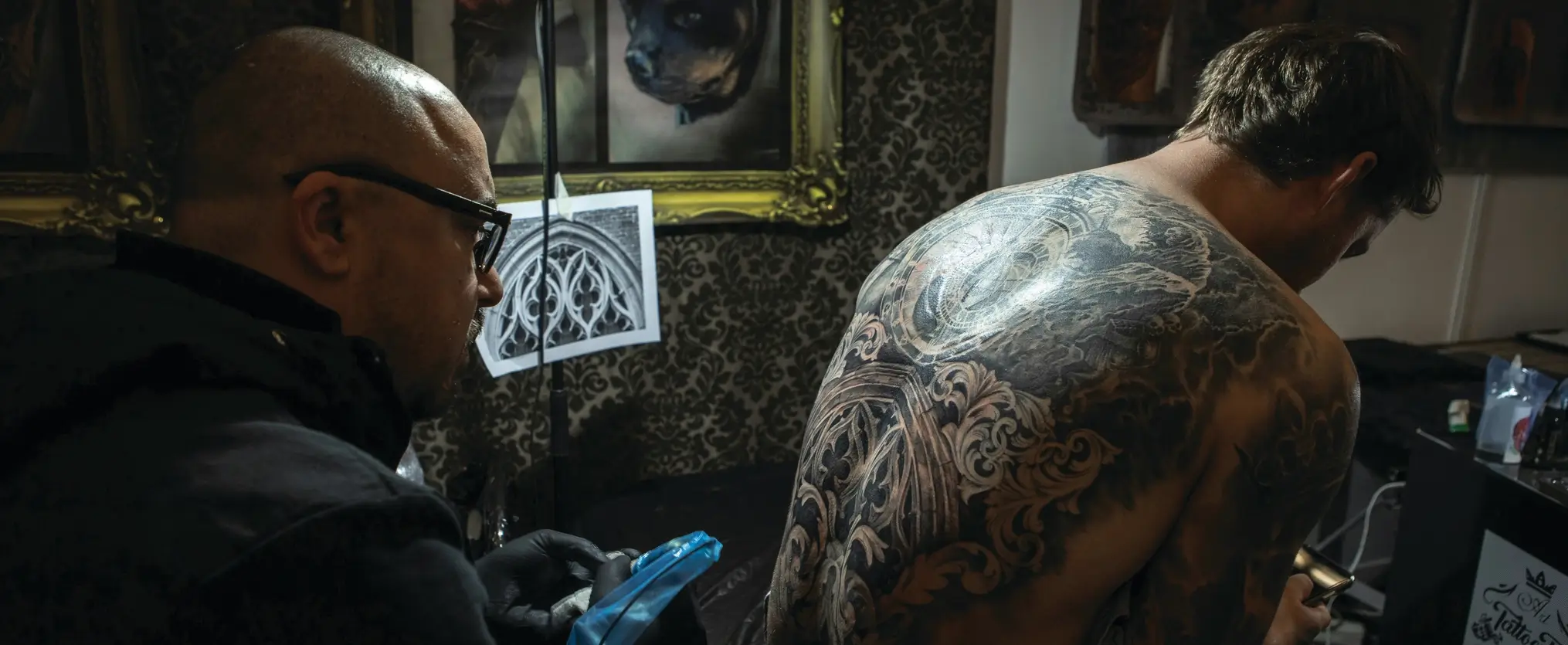
Throughout the 20th century, tattooing developed not through institutions but through proximity. Artists like Bert Grimm and Norman “Sailor Jerry” Collins learned through observation, repetition, and exchange. Grimm worked in environments shaped by travelling tattooers, absorbing and disseminating knowledge. Sailor Jerry expanded this through dialogue with Japanese artists such as Horihide, helping shape the direction of Western tattooing.
Knowledge moved through relationships, which were often informal but embedded in the daily reality of working shops. Apprenticeships created continuity, linking generations of tattooers through direct transmission of technique, values, and perspective.
Skill Vs. Culture
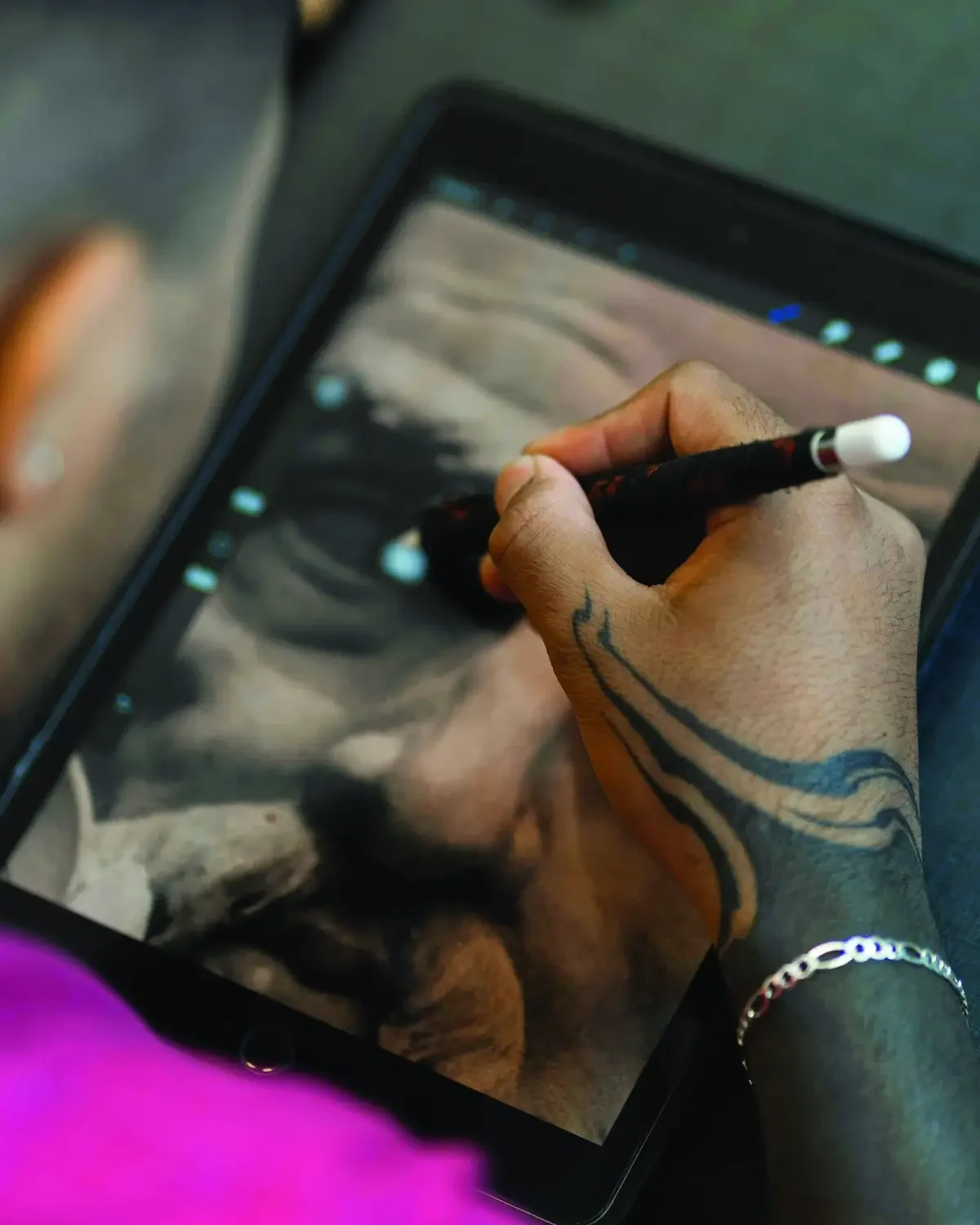
Much of the debate around tattoo schools focuses on a simple question: can they teach people to tattoo? In technical terms, the answer is often yes. Students leave these programs capable of producing competent work.
Tattooing is a craft shaped by continuity through generations of artists. This is where the distinction between schools and apprenticeships becomes more pronounced.
Tattoo schools are structured environments. They operate within set timeframes, delivering defined information to groups of students. This allows elements like hygiene standards, basic techniques, and design principles to be delivered efficiently. It’s much harder to replicate generational camaraderie.
A working tattoo shop is not just a place of instruction but an environment where decisions are made in real time, problems arise unpredictably, and solutions are shaped by experience. It is also where less tangible knowledge is absorbed, like stories, references, and ways of thinking that rarely appear in formal teaching yet shape the work itself.

This does not sit neatly within a syllabus. It develops through exposure and repetition. Over time, it builds an understanding not just of how to tattoo but why things are done a certain way.
Anthropologist Jan Vansina argued that oral traditions, like speeches, songs, and demonstrations, depend on active transmission; once that chain breaks, reconstruction becomes difficult. Tattooing has long functioned similarly. Its history exists in relationships between practitioners. Techniques, designs, and cultural references are carried forward through use.
Tattoo schools introduce a different model. Their structure creates a clear beginning and end to the learning process. Once completed, students move forward independently, without the same ongoing connection to a mentor or lineage. That doesn’t make the model inherently flawed, but it does change how accountability and continuity function.
Apprenticeships operate differently. Apprentices reflect the person training them, and their work carries that association forward. Standards are not just taught but upheld because they are tied to reputation. That dynamic is harder to sustain in a school setting, where relationships are often more transactional and time-limited.

The Future of Tattooing Training
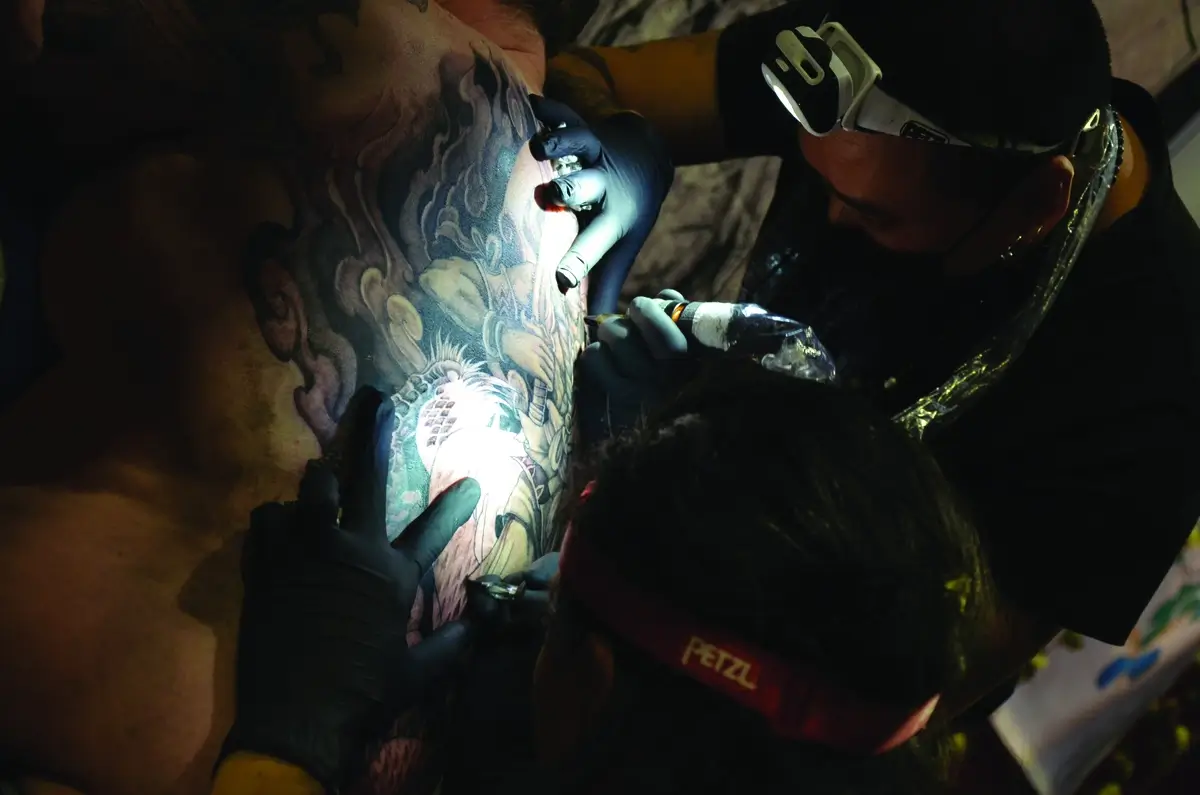
The rise of tattoo schools did not happen in isolation. Tattooing has long struggled with accessibility. Apprenticeships can be difficult to secure, often shaped by informal networks and gatekeeping. For many, schools present an alternative: more structure, transparency, and attainability.
Some of the clearest critiques of tattoo schools come from places like Oregon, where formal schooling is required. In these contexts, the model is not theoretical but visible in practice. Hannah “Hannie” Westbrook (@skinwork_revenant) of Prairie Rose Tattoo in Texas describes them as “just a cash grab” and “a classroom where they show you the basics and then send you out with no guarantee of being hired,” sentiments echoed by many artists.
The issue is not that schools cannot produce tattooers, but that the craft resists compression. Without extended time and a clear pathway into employment, the process can feel incomplete.
That concern is reinforced by Dan Phillips (@danphillipstattoo), owner of Alchemy Moon Tattoo Collective and a tattooer for more than two decades. He argues that some schools remain inherently predatory, functioning as apprentice mills under a different name.
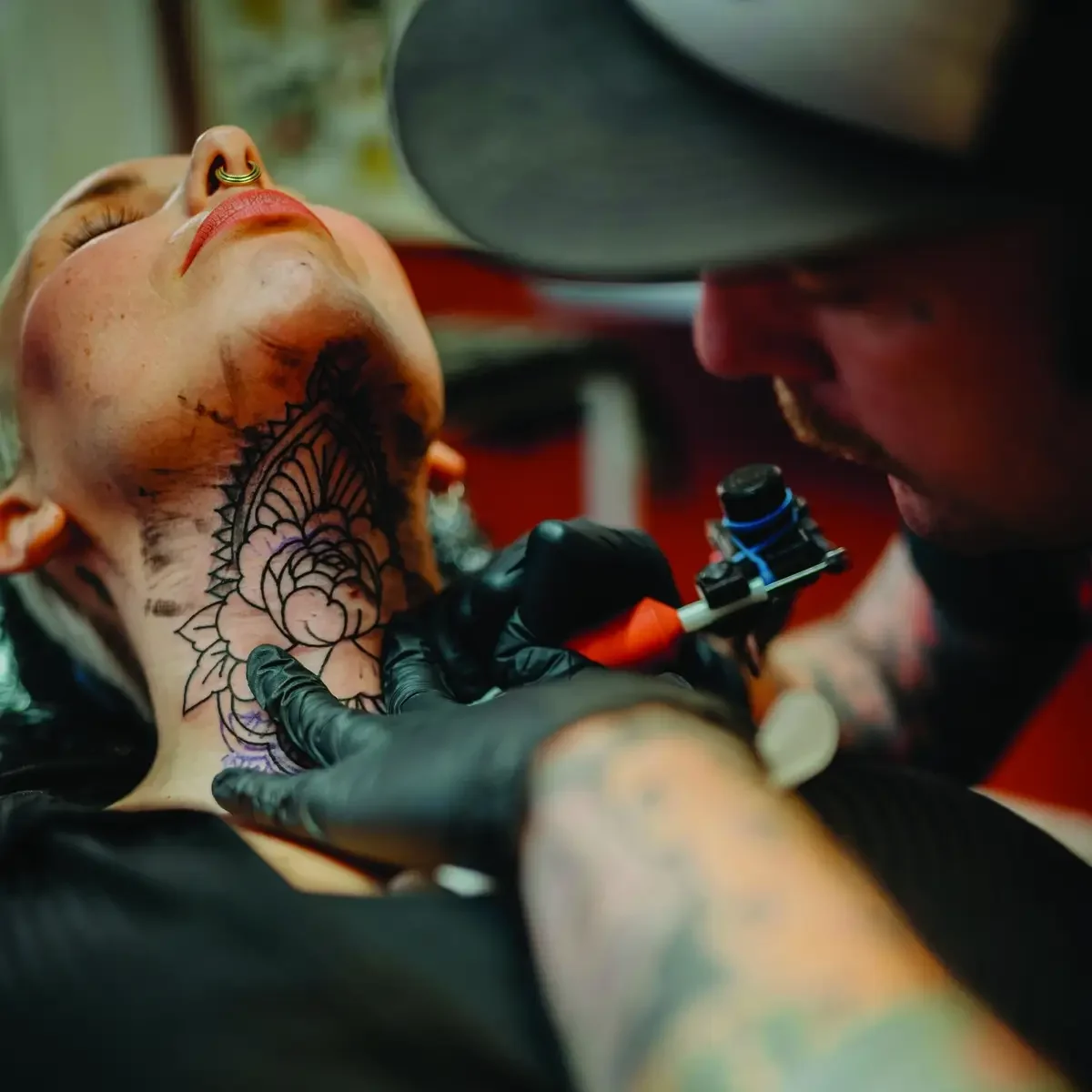
“The issue I have is that this skill isn’t just a pick-up-and-go. I’m putting something on someone’s body that’s going to last forever, and nothing makes me feel better than a happy customer,” Phillips says. “I feel like schools aren’t working toward that, it’s money first, money second, and then money third.”
He acknowledges the financial upside of correcting poor work but frames it as a failure of training rather than a benefit: “I’ve made a lot of money off coverups,” he says, “but I wish my client didn’t have to go through that trauma of a bad tattoo.”
His position is not entirely dismissive. “I’d hire someone who came from a school,” Phillips says, “but I’d need to know that their heart is in it. If you’re just tattooing for clout or money, I’d rather you chase that somewhere else.”

Dismissal of tattoo schools seems to be the length. Eight weeks doesn’t feel long enough to learn how to tattoo, and some courses offer it in two. A handful of schools offer a longer course. For example, Ink Different, offered across the U.S., takes up to two years, while Alchemy Tattoo Apprenticeship in Missouri takes about a year.
An anonymous Ink Different alumnus shares that he loved his time in the program but didn’t want to be published due to the backlash he’d already received from the tattoo community. Outside of that instance, they have great testimonials. If time is often seen as the biggest issue, maybe this is a great compromise.
Criticism of tattoo schools often overlooks the flaws within apprenticeship systems themselves. There are mentors who exploit their position, drag out training, or fail to properly support apprentices. These are not defining features of apprenticeship, but they can be part of the reality. Any meaningful discussion needs to acknowledge both sides.
This presents a broader question about what tattooing becomes when taught under different structures.
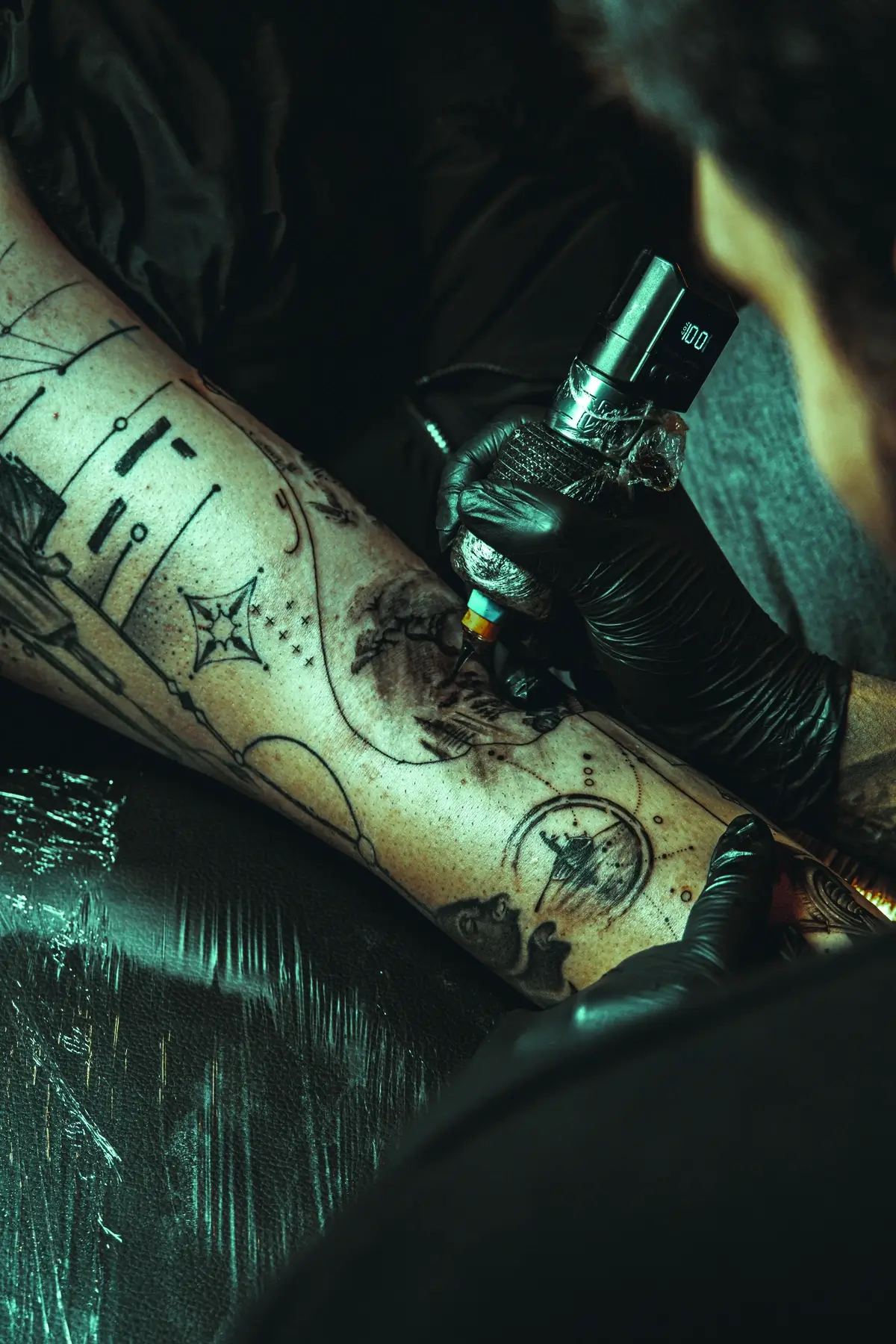
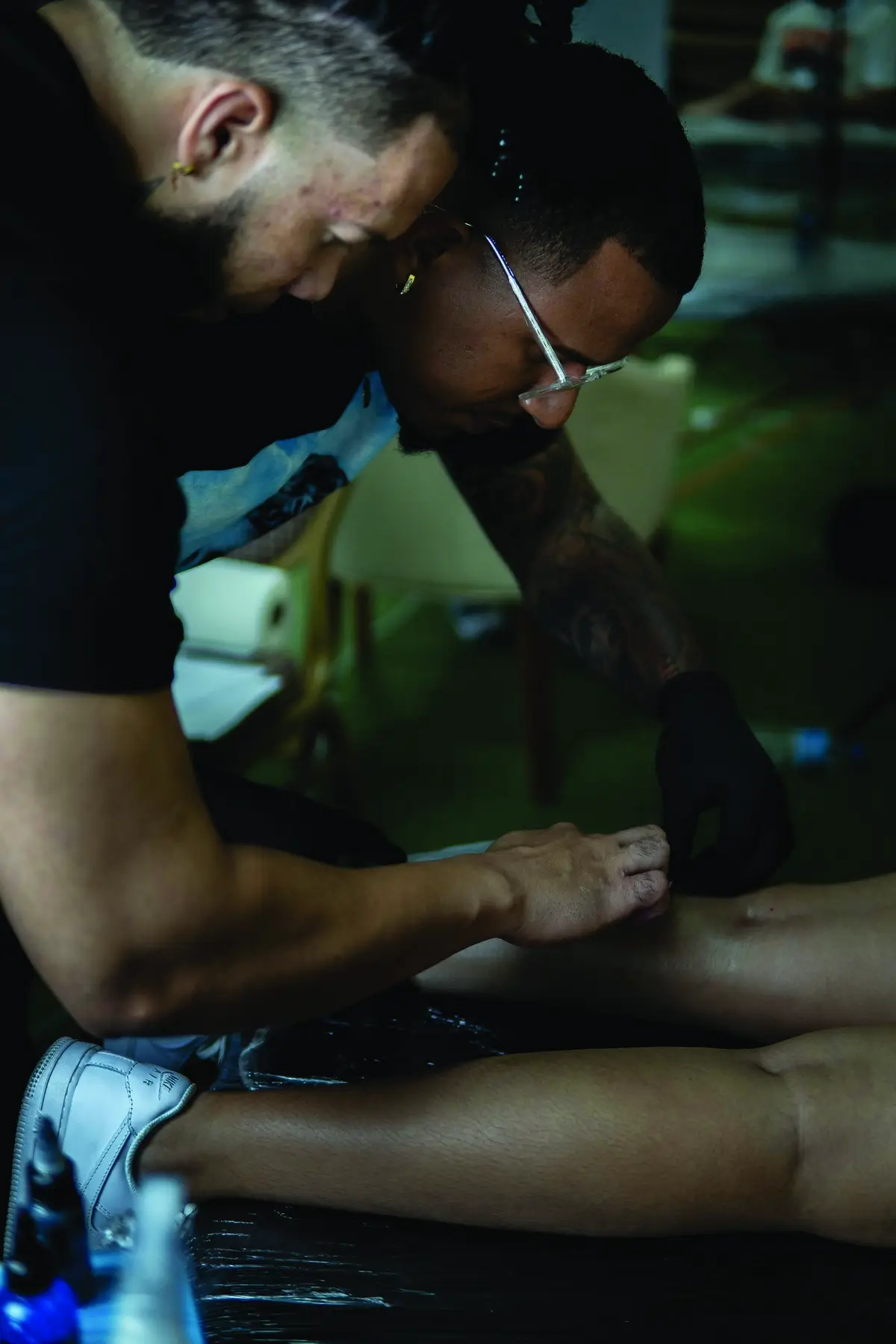
Many artists who begin in school environments eventually seek out shop-based mentorship to fill gaps in their education, suggesting that while schools can provide a foundation, they may not fully replace the depth of learning that comes from immersion.
The wider issue is not whether tattooing should evolve as it always has, but how that evolution is managed. Change can build on existing traditions or move away from them. When it moves away, we must focus more on what could be lost.
Tattooing’s history is not self-sustaining. It depends on being actively carried forward and embedded in practice rather than preserved as static knowledge. If that transmission weakens, the surface elements may remain, but their context can erode.
The result is not necessarily a decline in quality, but a shift in meaning. Work may be technically proficient while feeling disconnected from the lineage that shaped it.

Without greater input from tattoo schools themselves, their long-term role remains unclear. Tattooing has always been built on transmission: skills, stories, and ways of understanding the work passed from one person to another. If that structure changes, it does not have to disappear.
But it does need to be intentional, otherwise, the things that aren’t actively passed on don’t stick around.

Editor's Picks

More From Culture
What Happens When Military Standards Meet Tattoo Aftercare
October 20, 2026
Steel to Sole
October 19, 2026
Breaking the (Skin) Barriers
October 19, 2026
Your Books Got Busy. Your Software Didn’t.
October 19, 2026